
終了した展覧会・イベントです

project N23 森本太郎
東京オペラシティ アートギャラリー


終了しました
SHARE
アーティスト
森本太郎
キャンバスいっぱいに咲く花や、大胆にトリミングされた人物.そう知覚できるギリギリまで解体されたこれらのモチーフは、モザイクのように並ぶ色の連なりで表されています。隣り合う色が互いを浸食しないよう、わずか数ミリ画面から盛り上がった線は色の海を堰き止め、モチーフを更なる解体からしっかりと守っているようにも見えます。
こうしたモチーフのもととなる素材として、森本は実際の花や人物ではなく、雑誌や新聞の折り込みチラシにある写真など、私たちのまわりにあふれる複製されたイメージを選んでいます。どこかでだれかに撮られた写真は、トリミングや色調整を施され、加工されるたびにオリジナリティを失っていきます。この過程はまた、イメージに新たな意味が付加される作業でもあります。私たちの手に届くイメージは、もとのイメージが他者の手によって足し算・引き算が施され、変容させられた結果なのです。
森本が絵画制作において、イメージの変容と他者の介入を主要なテーマとしていることは素材の選び方からも見て取れますが、画面構成のプロセスではそれが自らの手によって実践され、さらに明確に示されています。選んだイメージをコンピュータに取り込んだ上で、自動選択ツール(画像のある一点をクリックすると、設定された値にもとづいて近辺の近い色をすべて選択する機能)を使って同系色の範囲を選択。さらにこの範囲の中のある一点を無作為に抽出し、その色を先ほど自動選択ツールで選択した範囲全体に流し込んで、濃淡のまったくない一色のブロックにする、といった具合です。こうした処置を画像全体に施し、画面をモザイク状のブロックに変換させていくのです。
作家が構図を決める際にコンピュータを使うことが珍しくなくなった現在、森本をこうした作家の一人として数えることもできます。しかし多くの作家にとってそうであるように、コンピュータを作家の芸術的思索を顕在化させる存在として位置づけるのであれば、彼のスタンスは別の次元にあるといってよいでしょう。森本にとってそれは、制作の過程において協働する主体性を持った存在であり、作家の思考を画面に忠実に反映させる道具ではないのです。
モザイク化を繰り返す作業は、共演者と即興でテーマを展開させていく、ジャズのセッションに近いのかもしれません。主観的な自己表現に終始するのではなく、外部からの介入を積極的に受けながらイメージを変容させていくのです。このプロセスについて森本は、「全てを自分で決めていくことでは得られない、予測を超えた結果を楽しんでいる.」と言っています。これは作家性の放棄とも聞こえかねませんが、創造行為が作家の思索を表出することであるという概念に立脚すると、外的な主体を受け入れるという考えそのものも、この作家のオリジナリティを形成するひとつの要因だと気付きます。
構図を決める段階での即興性はキャンバスへの描画には引き継がれず、表現は系統立った方法で行われます。モチーフを縁取る盛り上がった線は、モデリングペーストなどを混ぜ合わせたメディウムを製菓用の絞り袋から絞り出して描かれますが、モチーフを画面に固定する輪郭の描線は「これ以上変容させない」との意志を端的に表しているのかもしれません。アクリル絵具と油彩によって丹念に塗り上げられる画面は、運動の痕跡やメディウムの量感を感じさせる要素が丹念に除かれて、均一なテクスチャーを有しています。この平面の穏やかさは、イメージのグラフィック性に呼応すると同時に、輪郭線の量感を際だたせることに作用し、画面上に生み出されたわずかな段差が、見る者の注意を惹きつけるのです。立体感を付された表面と奥行きを無くしたイメージ、受け入れるしなやかさと変わらないゆるぎなさ、オリジナルと複製、デジタルとアナログ、地と図、主体性と客体性、など、森本の作品に見られる二面性は、絵画のさまざまな約束事に対する森本なりの応答、問題提起です。それはまた、彼が表現の可能性を探求していることの証でもあるのです。
こうしたモチーフのもととなる素材として、森本は実際の花や人物ではなく、雑誌や新聞の折り込みチラシにある写真など、私たちのまわりにあふれる複製されたイメージを選んでいます。どこかでだれかに撮られた写真は、トリミングや色調整を施され、加工されるたびにオリジナリティを失っていきます。この過程はまた、イメージに新たな意味が付加される作業でもあります。私たちの手に届くイメージは、もとのイメージが他者の手によって足し算・引き算が施され、変容させられた結果なのです。
森本が絵画制作において、イメージの変容と他者の介入を主要なテーマとしていることは素材の選び方からも見て取れますが、画面構成のプロセスではそれが自らの手によって実践され、さらに明確に示されています。選んだイメージをコンピュータに取り込んだ上で、自動選択ツール(画像のある一点をクリックすると、設定された値にもとづいて近辺の近い色をすべて選択する機能)を使って同系色の範囲を選択。さらにこの範囲の中のある一点を無作為に抽出し、その色を先ほど自動選択ツールで選択した範囲全体に流し込んで、濃淡のまったくない一色のブロックにする、といった具合です。こうした処置を画像全体に施し、画面をモザイク状のブロックに変換させていくのです。
作家が構図を決める際にコンピュータを使うことが珍しくなくなった現在、森本をこうした作家の一人として数えることもできます。しかし多くの作家にとってそうであるように、コンピュータを作家の芸術的思索を顕在化させる存在として位置づけるのであれば、彼のスタンスは別の次元にあるといってよいでしょう。森本にとってそれは、制作の過程において協働する主体性を持った存在であり、作家の思考を画面に忠実に反映させる道具ではないのです。
モザイク化を繰り返す作業は、共演者と即興でテーマを展開させていく、ジャズのセッションに近いのかもしれません。主観的な自己表現に終始するのではなく、外部からの介入を積極的に受けながらイメージを変容させていくのです。このプロセスについて森本は、「全てを自分で決めていくことでは得られない、予測を超えた結果を楽しんでいる.」と言っています。これは作家性の放棄とも聞こえかねませんが、創造行為が作家の思索を表出することであるという概念に立脚すると、外的な主体を受け入れるという考えそのものも、この作家のオリジナリティを形成するひとつの要因だと気付きます。
構図を決める段階での即興性はキャンバスへの描画には引き継がれず、表現は系統立った方法で行われます。モチーフを縁取る盛り上がった線は、モデリングペーストなどを混ぜ合わせたメディウムを製菓用の絞り袋から絞り出して描かれますが、モチーフを画面に固定する輪郭の描線は「これ以上変容させない」との意志を端的に表しているのかもしれません。アクリル絵具と油彩によって丹念に塗り上げられる画面は、運動の痕跡やメディウムの量感を感じさせる要素が丹念に除かれて、均一なテクスチャーを有しています。この平面の穏やかさは、イメージのグラフィック性に呼応すると同時に、輪郭線の量感を際だたせることに作用し、画面上に生み出されたわずかな段差が、見る者の注意を惹きつけるのです。立体感を付された表面と奥行きを無くしたイメージ、受け入れるしなやかさと変わらないゆるぎなさ、オリジナルと複製、デジタルとアナログ、地と図、主体性と客体性、など、森本の作品に見られる二面性は、絵画のさまざまな約束事に対する森本なりの応答、問題提起です。それはまた、彼が表現の可能性を探求していることの証でもあるのです。
スケジュール | 2005年10月15日(土)〜2005年12月25日(日) 開館情報
| ||||
|---|---|---|---|---|---|
| 入場料 | 一般 800円、大学・高校生 600円、中学・小学生 400円 (「シュテファン・バルケンホール:木の彫刻とレリーフ」「収蔵品展019 相笠昌義」の入場料含む) | ||||
| 展覧会URL | http://www.operacity.jp/ag/exh68.php | ||||
| 会場 | 東京オペラシティ アートギャラリー http://www.operacity.jp/ag/ | ||||
| 住所 | 〒163-1403 東京都新宿区西新宿3-20-2 | ||||
| アクセス | 京王新線初台駅東口より徒歩3分、小田急小田原線参宮橋駅より徒歩11分、都営大江戸線西新宿五丁目駅A2出口より徒歩12分 | ||||
| 電話番号 | 050-5541-8600 (ハローダイヤル) | ||||
| 関連画像 | 各画像をタップすると拡大表示します 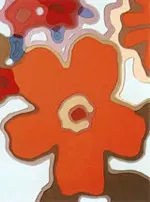 |
一覧へ戻る
SHARE
まだコメントはありません