
Exhibition/event has ended.

"Ogi-e: Auspicious Fans from the Konoike Collection" Exhibition
Ota Memorial Museum of Art


Finished
SHARE
"Ogi" are fans that help to keep the summer heat and bay, used by the Japanese both as a useful accessory for daily life, as well an instrument used in rituals, ceremonies and the performing arts. In addition, its spreading, open-fan shape has been viewed as auspicious since ancient times. The paintings that decorated the surface of the ogi were also established long ago as an integral part of the painting genre, executed by master painters as beautiful ornaments to these canvas-like art objects.
Because ogi are fragile objects, the number of antique ones that survive today is slight compared to the era in which they first became popular. Among that number, the Ota Museum collection contains several valuable specimens that were donated by the illustrious Konoike merchant family from Osaka - including ogi decorated in the ukiyo-e, Rin, Tosa, Kano and Maruyama Shijo styles. The collection consists of more than 900 ogi-e by master painters that collectively make up a veritable history of the medium.
Drawing on the wealth of the Konoike collection, this exhibition brings together ogi-e adorned with auspicious motifs such as the Seven Deities of Good Luck, pine, bamboo, plum, cranes and turtles.
Because ogi are fragile objects, the number of antique ones that survive today is slight compared to the era in which they first became popular. Among that number, the Ota Museum collection contains several valuable specimens that were donated by the illustrious Konoike merchant family from Osaka - including ogi decorated in the ukiyo-e, Rin, Tosa, Kano and Maruyama Shijo styles. The collection consists of more than 900 ogi-e by master painters that collectively make up a veritable history of the medium.
Drawing on the wealth of the Konoike collection, this exhibition brings together ogi-e adorned with auspicious motifs such as the Seven Deities of Good Luck, pine, bamboo, plum, cranes and turtles.
Schedule | Jan 3 (Sat) 2009-Jan 25 (Sun) 2009 Opening Hours Information
| ||||
|---|---|---|---|---|---|
| Fee | |||||
| Venue | Ota Memorial Museum of Art http://www.ukiyoe-ota-muse.jp/eng  | ||||
| Location | 1-10-10 Jingumae, Shibuya-ku, Tokyo 150-0001 | ||||
| Access | 1 minute walk from exit 5 at Meijijingu-mae Station on the Chiyoda and Fukutoshin lines, 3 minute walk from the Omotesando exit of Harajuku Station on the JR Yamanote line. | ||||
| Phone | 050-5541-8600 (Hello Dial) | ||||
| Related images | Click on the image to enlarge it 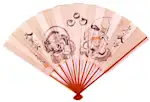 |
Back to Articles
SHARE
No comments yet