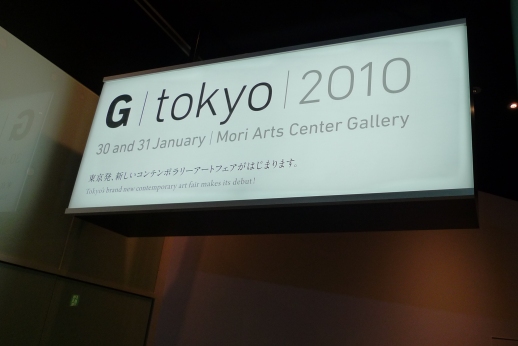
Last January “Art@Agnes” was held for the final time. There is still no official word on whether “101Tokyo” is happening this April. Certainly seems like a brave time to be starting a new art fair. But this is at Mori and nothing is impossible. A strong selection of the capital’s top contemporary art galleries have gathered together in one place for “G-tokyo 2010”.
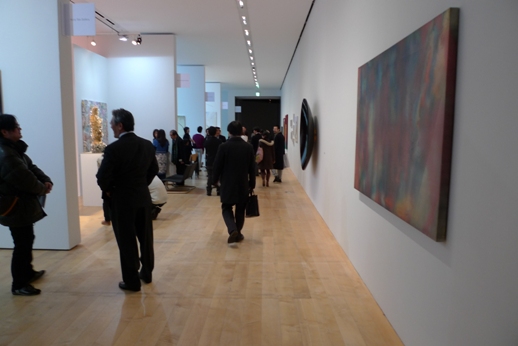
Rather than the vast maze-like sprawl common to many other art fairs, “G-tokyo 2010” is structured in three modest tiers, making for an art fair experience that is thankfully not a marathon. Instead of volume, the organizers have concentrated on presentation and curation. Each of the galleries is allotted a huge booth, sometimes larger than the actual gallery’s real exhibition space. Wide, wooden corridors allow visitors to stand back and take in the works. Very chic. Very Mori.
Photo: William Andrews
Each of the three tiers has wide corridors. No crammed booths or packed passages at this art fair.Photo: Willliam Andrews
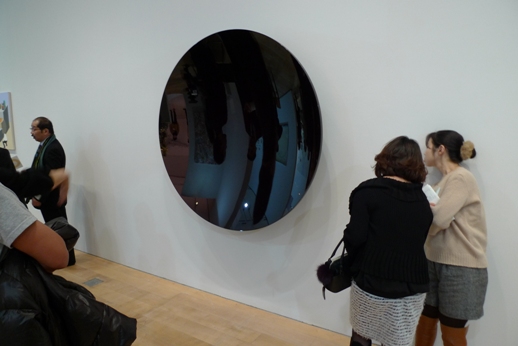
Visitors peer at a work by Anish Kapoor, opposite the SCAI The Bathhouse booth.Photo: Willliam Andrews
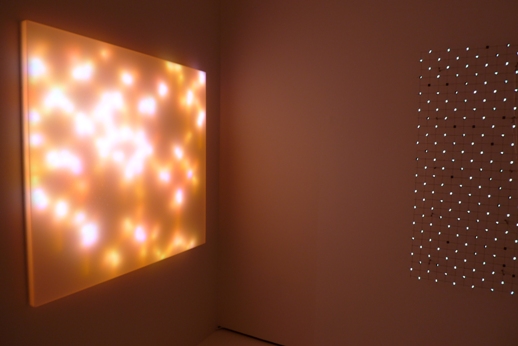
...which was emitting a strange pink colour.Photo: Willliam Andrews
Inside, the paintings were literally glowing.Photo: Willliam Andrews
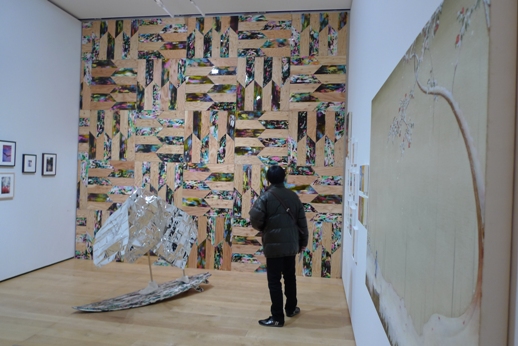
Yusuke Saito's giant wall at the Gallery Side 2 booth.Photo: Willliam Andrews
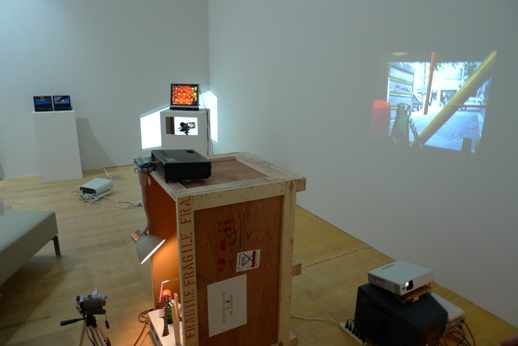
The hiromiyoshii booth was dominated by a video installation.Photo: Willliam Andrews
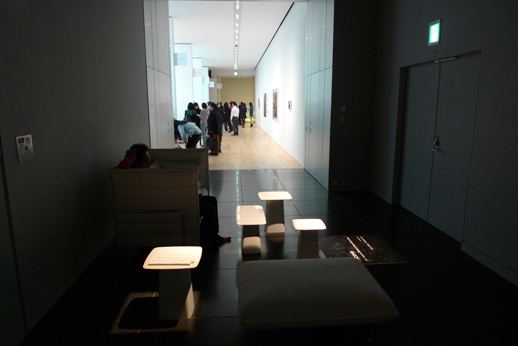
One of the most interesting parts of the fair were the areas connecting the sections. At this one people could relax on designer furniture in a darkened lounge.Photo: Willliam Andrews
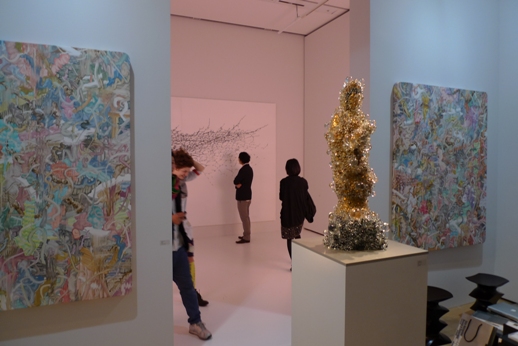
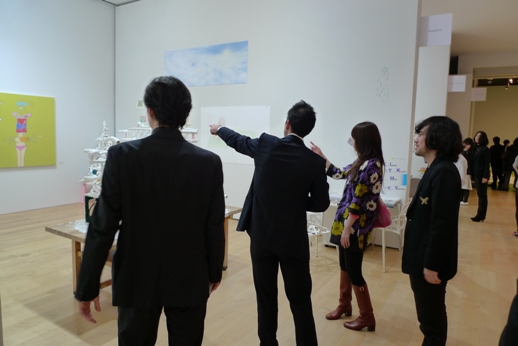
Artist Teppei Kaneuji (right) looks on as visitors discuss his work and others' at the Shugoarts booth.Photo: Willliam Andrews
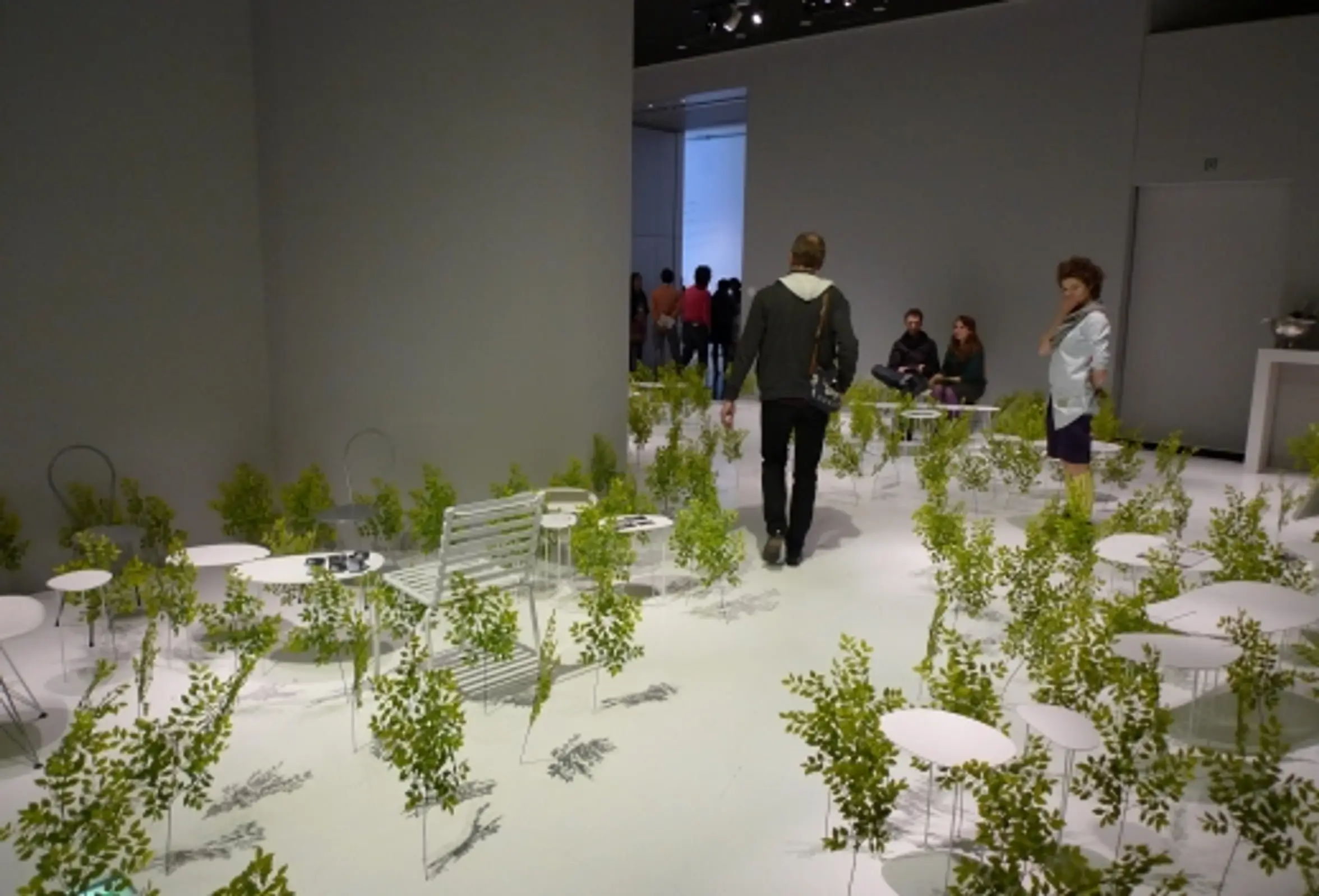
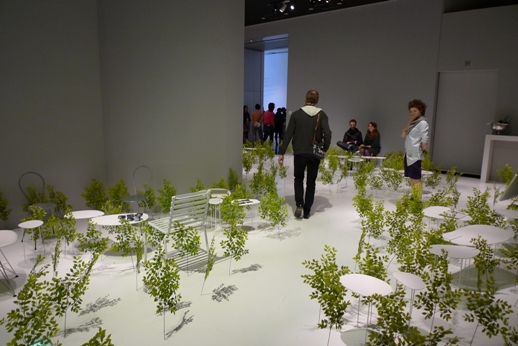
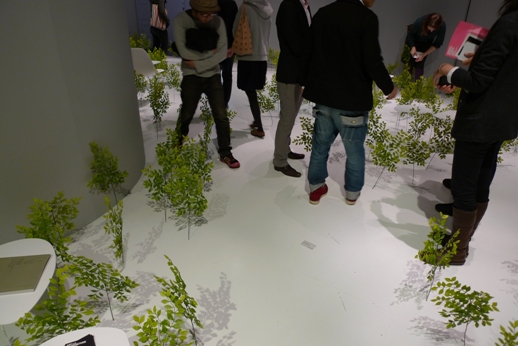
Another connecting section, this time a stunning undergrowth forest produced by Sou Fujimoto. Walking across the space is Mark Pearson, of Zen Foto Gallery.Photo: Willliam Andrews
You had to watch where you put your feet when the forest pathway had a traffic jam.Photo: Willliam Andrews
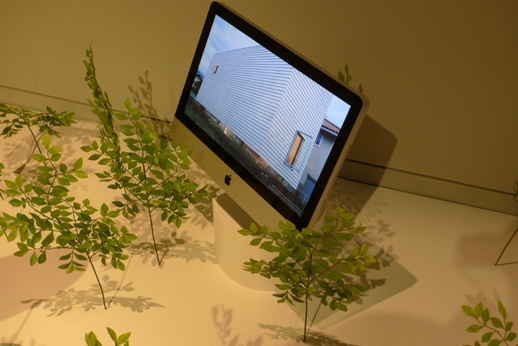
Steve Jobs would be proud: Mac becomes art.Photo: Willliam Andrews
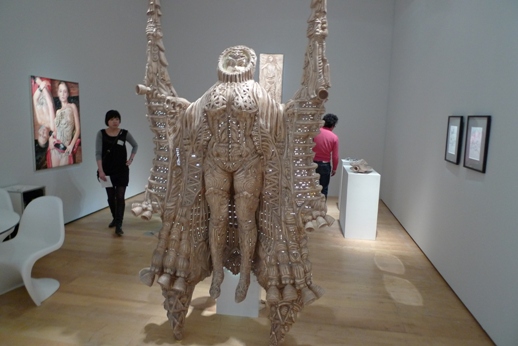
The usual ethnographically grotesque piece at Yamamoto Gendai.Photo: William Andrews
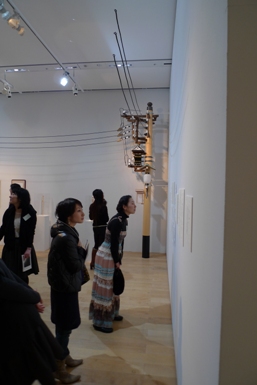
Yes, that is a pylon in the Mizuma Art Gallery booth.Photo: William Andrews
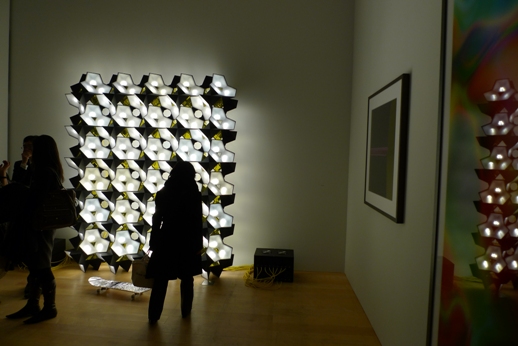
Eerie lights by Olafur Eliasson at Gallery Koyanagi's booth.Photo: Willliam Andrews
William Andrews came to Japan in 2004. He first lived in Osaka, where he was a translator for Kansai Art Beat. Arriving in Tokyo in 2008, he now works as an writer, editor and translator. He writes a blog about Japanese radicalism and counterculture and one about Tokyo contemporary theatre. He is the author of Dissenting Japan: A History of Japanese Radicalism and Counterculture, from 1945 to Fukushima.





 0Posts