
Exhibition/event has ended.

Textile Works and Matsuura Byobu Screens
The Museum Yamatobunkakan


Finished
SHARE
Spinning threads, weaving, dyeing, and sewing cloth. The dyed and woven textiles produced in this way have been enriching people's lives since ancient times.
In Japan, the technique developed under the influence of textiles from the Sui and Tang dynasties in China during the Asuka and Nara periods, and from the medieval to early modern periods, luxury fabrics from the Yuan and Ming dynasties in China and chintz from India were actively imported and prized in the world of tea ceremonies. The techniques of dyeing and weaving and the aesthetic sense of dyeing and weaving were refined while being involved with various regions of the world. From the Momoyama to the Edo period (1603-1868), dyeing and embroidery techniques developed along with economic development, and costumes decorated with various patterns were produced. The depiction of fashionable and gorgeous costumes in genre paintings from this period is one of the highlights of the exhibition.
This exhibition includes valuable Asuka- and Nara-period Jōdai-gire, embroidered Buddhist statues filled with prayers, meibutsu-gire valued in the world of the tea ceremony, exotic Indian and Middle Eastern textiles, and Japanese genre paintings from the early modern period depicting beautiful costumes.
In Japan, the technique developed under the influence of textiles from the Sui and Tang dynasties in China during the Asuka and Nara periods, and from the medieval to early modern periods, luxury fabrics from the Yuan and Ming dynasties in China and chintz from India were actively imported and prized in the world of tea ceremonies. The techniques of dyeing and weaving and the aesthetic sense of dyeing and weaving were refined while being involved with various regions of the world. From the Momoyama to the Edo period (1603-1868), dyeing and embroidery techniques developed along with economic development, and costumes decorated with various patterns were produced. The depiction of fashionable and gorgeous costumes in genre paintings from this period is one of the highlights of the exhibition.
This exhibition includes valuable Asuka- and Nara-period Jōdai-gire, embroidered Buddhist statues filled with prayers, meibutsu-gire valued in the world of the tea ceremony, exotic Indian and Middle Eastern textiles, and Japanese genre paintings from the early modern period depicting beautiful costumes.
Schedule | Apr 7 (Fri) 2023-May 14 (Sun) 2023 Opening Hours Information
| ||||
|---|---|---|---|---|---|
| Fee | Adults ¥630, University and High School Students ¥420, Junior High School Students and Under free. | ||||
| Website | https://www.kintetsu-g-hd.co.jp/culture/yamato/exhibition/irotoridori.html | ||||
| Venue | The Museum Yamatobunkakan https://www.kintetsu-g-hd.co.jp/culture/yamato/english.html | ||||
| Location | 1-11-16 Gakuen Minami, Nara-shi, Nara 631-0034 | ||||
| Access | 7 minute walk from the South exit of Gakuenmae Station on the Kintetsu line. | ||||
| Phone | 0742-45-0544 | ||||
| Related images | Click on the image to enlarge it 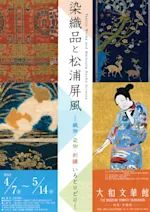 |
Back to Articles
SHARE
No comments yet