Exhibition/event has ended.

"What did Nihonga Learn from Rimpa? –Sotatsu, Hoitsu, Gyoshu, and Kanzan" Exhibition
Yamatane Museum of Art


Finished
SHARE
Artists
Sotatsu Tawaraya, Hoitsu Sakai, Gyoshu Hayami, Kanzan Shimomura et al.
Exhibitions on the Rimpa School have flourished throughout Japan in recent years and the Rimpa style has come to be widely known as one of the representative forms of Japanese art. The glorious splendor of its stylized beauty and avant-garde design aesthetic have combined with its richly redolent ink paintings to fascinate viewers over the centuries.
The Rimpa School was founded in the 17th century by Sotatsu Tawaraya and Koetsu Hon’ami, who were followed in the 18th century by Korin Ogata and Kenzan Ogata. The late Edo period artists Hoitsu Sakai, Kiitsu Suzuki and others continued their predecessors’ techniques and styles by taking these earlier masters as their personal models and symbolic mentors. Thanks to the rediscovery and deepening of research on Sotatsu in the early 20th century, the Rimpa style was accorded even higher critical accolades. Interest in the Rimpa style peaked at various times over the course of the Meiji, Taisho and Showa eras, and from the 1970s onwards, the term Rimpa, which takes the "rin" character from Korin’s name and links it with "ha", the word for artistic group, came to be generally applied to this group of artists.
The Rimpa style and painting techniques greatly influenced many of the 20th century Nihonga painters who were noted for their fervent study of art modes. This exhibition includes Kanzan Shimomura’s Ancient Pine Tree and White Wisterias and Gyoshu Hayami’s Falling Camellias (Important Cultural Property), two examples of gorgeously decorative screen paintings in line with Kiitsu Suzuki’s Birds and Flowers of the Four Seasons. Similarly, the tarashikomi ink puddling technique visible in Seison Maeda’s Minamoto no Yoshitsune's Boat in Daimotsu Bay and Okumura Togyu’s Calf is the same ink technique created by Sotatsu and beloved by generations of Rimpa painters ever since. It is fascinating to consider how modern painters utilized the Rimpa aesthetic and techniques. We hope this exhibition will reveal the masterful rendering of beauty as seen in Nihonga’s continuing inheritance of its painting past.
[Image: Gyoshu Hayami "Falling Camellias" (Important cultural property)]
The Rimpa School was founded in the 17th century by Sotatsu Tawaraya and Koetsu Hon’ami, who were followed in the 18th century by Korin Ogata and Kenzan Ogata. The late Edo period artists Hoitsu Sakai, Kiitsu Suzuki and others continued their predecessors’ techniques and styles by taking these earlier masters as their personal models and symbolic mentors. Thanks to the rediscovery and deepening of research on Sotatsu in the early 20th century, the Rimpa style was accorded even higher critical accolades. Interest in the Rimpa style peaked at various times over the course of the Meiji, Taisho and Showa eras, and from the 1970s onwards, the term Rimpa, which takes the "rin" character from Korin’s name and links it with "ha", the word for artistic group, came to be generally applied to this group of artists.
The Rimpa style and painting techniques greatly influenced many of the 20th century Nihonga painters who were noted for their fervent study of art modes. This exhibition includes Kanzan Shimomura’s Ancient Pine Tree and White Wisterias and Gyoshu Hayami’s Falling Camellias (Important Cultural Property), two examples of gorgeously decorative screen paintings in line with Kiitsu Suzuki’s Birds and Flowers of the Four Seasons. Similarly, the tarashikomi ink puddling technique visible in Seison Maeda’s Minamoto no Yoshitsune's Boat in Daimotsu Bay and Okumura Togyu’s Calf is the same ink technique created by Sotatsu and beloved by generations of Rimpa painters ever since. It is fascinating to consider how modern painters utilized the Rimpa aesthetic and techniques. We hope this exhibition will reveal the masterful rendering of beauty as seen in Nihonga’s continuing inheritance of its painting past.
[Image: Gyoshu Hayami "Falling Camellias" (Important cultural property)]
Schedule | Nov 8 (Sat) 2008-Dec 25 (Thu) 2008 Opening Hours Information
| ||||
|---|---|---|---|---|---|
| Fee | [Special Exhibition] Adults ¥1100, University and High School Students ¥900, Junior High School Students and Under. Special Exhibition Fees may be charged separately. | ||||
| Venue | Yamatane Museum of Art https://www.yamatane-museum.jp/english/  | ||||
| Location | 3-12-36 Hiroo, Shibuya-ku, Tokyo 150-0012 | ||||
| Access | 10 minute walk from Ebisu Station on the Hibiya and JR line; From the West exit of JR Ebisu Station, take the bus and get off at Hiroo High School. The venue is 1 minute walk from there; From the East exit of JR Shibuta Station, take the bus and get off at Higashi 4-chome. The venue is 2 minute walk from there. | ||||
| Phone | 050-5541-8600 (Hello Dial) | ||||
| Related images | Click on the image to enlarge it 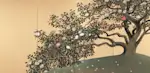 |
Back to Articles
SHARE
No comments yet