
Exhibition/event has ended.

“Utamaro and Ukiyoe Artists of His Era”
Hachioji Yume Art Museum


Finished
SHARE
Artists
Utamaro Kitagawa, Eishi Chobunsai, Sharaku Toshusai, Toyokuni Utagawa et al.
As the capital swelled to a population of 1 million in the later Edo period, and consumer culture reached new heights the popular art of Ukiyo-e also came to rise. Following on from the elegantly proportioned women of Kiyonaga Torii in the Tenmei period(1781-89) Utamaro Kitagawa came to the fore in the Kansei period(1789-1801) with his form of “Bijinga” , depicting women with a graceful beauty and delicate expression, with Eishi Choubunsai following in his footsteps. This was offset by the bold exaggerations of Sharaku Toshusai in his images of Kabuki stars and other celebrities, which astonished many at the time. Then as the era moved into the Bunka and Bunsei periods the spirited bijinga of Eisen Keisai and the Yakusha-e actor prints of Toyokuni Utagawa dominated the arts at the peak of Ukiyo-e. This exhibition traces the developments of leading Ukiyo-e masters through the latter Edo era and highlights the central role of bijinga and yakush-e through 120 prints and paintings.
[Related Event]
Gallery Talk with exhibition director Ei Nakau
Date: 15th February(Sat) 11:00-, 15:00- (approx. 1 hour)
Admission: Free (exhibition ticket required)
Reservation not required
[Related Event]
Gallery Talk with exhibition director Ei Nakau
Date: 15th February(Sat) 11:00-, 15:00- (approx. 1 hour)
Admission: Free (exhibition ticket required)
Reservation not required
Schedule | Feb 15 (Sat) 2014-Mar 30 (Sun) 2014 Opening Hours Information
| ||||
|---|---|---|---|---|---|
| Fee | Adults ¥500, Students and Seniors over 65 ¥250, Pre-school children and those with a disability certificate free | ||||
| Venue | Hachioji Yume Art Museum | ||||
| Location | 2F View Tower Hachiouji, 8-1 Youkamachi, Hachioji-shi, Tokyo 192-0071 | ||||
| Access | 15 minute walk from the North exit of Hachioji Station on the JR Chuo line, 15 minute walk from the West exit of Keio-hachioji Station on the Keio line. | ||||
| Phone | 0426-21-6777 | ||||
| Related images | Click on the image to enlarge it 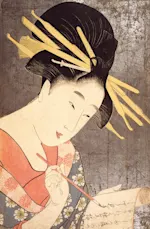 |
Back to Articles
SHARE
No comments yet