
Exhibition/event has ended.

Andersen in Fairy Tales
Karuizawa Picturebook Museum


Finished
SHARE
H.C. Andersen is known for such fairy tales as "Thumbelina" and "The Little Mermaid. His fairy tales are called "Andersen's Fairy Tales" and are popular all over the world.
In his autobiography, Andersen described his life as "a beautiful fairy tale. As if to symbolize these words, Andersen's fairy tales are interspersed with elements of his childhood memories, scenes he saw and heard, and folk tales. For example, "The Little Duckling" reflects Andersen's own life. Stories such as "The Snow Queen" and "The Girl with the Matches" reflect Andersen's memories of his parents.
Moreover, Andersen's goal in writing his stories was to write them in the tone in which he would tell them. Andersen never owned his own house during his life, living in hotels and moving from one friend's house to another. In doing so, he sometimes told stories to the children of each family. According to Edvard Collin, who was also a friend of Andersen's, when Andersen told a story, it immediately came alive. Andersen's desire to delight even more children with his stories began to grow within him. He came up with the idea of preserving his storytelling style in written form. This was the beginning of Andersen's writing of fairy tales. Thumbelina" is said to be a good example of Andersen's storytelling style.
"Thumbelina" was published in 1835 in the second volume of "Eventyr, Fortalte for Børn." The story of "Thumbelina" depicts the scenery of the four seasons in Andersen's homeland, Denmark. In the original Danish text, words such as "for (because)" and "saa (very)" are frequently used. This implies a slightly juvenile nuance, such as "so," and "you know." Andersen may have told stories to children in this gentle manner.
This exhibition introduces a variety of Andersen's fairy tales, intertwining them with Andersen's life and Danish culture.
Venue: Exhibition Hall 2
In his autobiography, Andersen described his life as "a beautiful fairy tale. As if to symbolize these words, Andersen's fairy tales are interspersed with elements of his childhood memories, scenes he saw and heard, and folk tales. For example, "The Little Duckling" reflects Andersen's own life. Stories such as "The Snow Queen" and "The Girl with the Matches" reflect Andersen's memories of his parents.
Moreover, Andersen's goal in writing his stories was to write them in the tone in which he would tell them. Andersen never owned his own house during his life, living in hotels and moving from one friend's house to another. In doing so, he sometimes told stories to the children of each family. According to Edvard Collin, who was also a friend of Andersen's, when Andersen told a story, it immediately came alive. Andersen's desire to delight even more children with his stories began to grow within him. He came up with the idea of preserving his storytelling style in written form. This was the beginning of Andersen's writing of fairy tales. Thumbelina" is said to be a good example of Andersen's storytelling style.
"Thumbelina" was published in 1835 in the second volume of "Eventyr, Fortalte for Børn." The story of "Thumbelina" depicts the scenery of the four seasons in Andersen's homeland, Denmark. In the original Danish text, words such as "for (because)" and "saa (very)" are frequently used. This implies a slightly juvenile nuance, such as "so," and "you know." Andersen may have told stories to children in this gentle manner.
This exhibition introduces a variety of Andersen's fairy tales, intertwining them with Andersen's life and Danish culture.
Venue: Exhibition Hall 2
Schedule | Jun 23 (Fri) 2023-Oct 9 (Mon) 2023 Opening Hours Information
| ||||
|---|---|---|---|---|---|
| Fee | Adults ¥1000, High School and Junior High School Students ¥700, Elementary School Students ¥500, Infants free. | ||||
| Venue | Karuizawa Picturebook Museum https://museen.org/ehon  | ||||
| Location | 182 Nagakura, Karuizawamachi, Kitasaku-gun, Nagano 389-0111 | ||||
| Access | From Karuizawa Station on the JR or Shinano Tetsudo line, take the Seibu Kanko bus towards Kazakoshi-koen and get off at Shiozawako. The venue is 1 minute walk from there. | ||||
| Related images | Click on the image to enlarge it 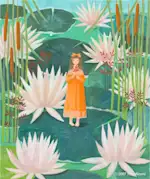 |
Back to Articles
SHARE
No comments yet