
Exhibition/event has ended.

Discovering Traditional Japanese Culture - Kimonos of the Edo Period
Nara Prefectural Museum of Art


Finished
SHARE
Recognized as Japan's ethnic attire, "kimono" is worn as formal wear and ceremonial dress. Originally referred to as "kosode," it became established as outerwear around the Muromachi period and has since been a common garment in Japan. Despite the introduction and widespread adoption of Western clothing during the Meiji era, the kimono has continued to symbolize Japanese culture. Even today, many people wear kimonos during milestone events like Shichi-Go-San (7-5-3 festival) and coming-of-age ceremonies, and yukata are often seen at summer festivals. While opportunities to wear kimonos have decreased, they remain a cherished and appealing garment, evoking a sense of longing and familiarity.
Despite being familiar, there are often aspects of kimono that are not fully understood or explained. Questions such as when its precursor, kosode, originated and how it evolved into a major garment, or the distinctions between visually similar garments like uchikake, katabira, and hitoe, reveal the diverse history of Japanese clothing and the variety of materials and techniques associated with kimonos.
This exhibition showcases kimonos from the Yoshikawa Kan'emon Collection, focusing on women's kimonos from the Edo period, reflecting on the evolution of "kimono" as one of Japan's traditional cultural icons. Explore the rich textile culture created through the techniques and designs of that era.
Despite being familiar, there are often aspects of kimono that are not fully understood or explained. Questions such as when its precursor, kosode, originated and how it evolved into a major garment, or the distinctions between visually similar garments like uchikake, katabira, and hitoe, reveal the diverse history of Japanese clothing and the variety of materials and techniques associated with kimonos.
This exhibition showcases kimonos from the Yoshikawa Kan'emon Collection, focusing on women's kimonos from the Edo period, reflecting on the evolution of "kimono" as one of Japan's traditional cultural icons. Explore the rich textile culture created through the techniques and designs of that era.
Schedule | Jul 13 (Sat) 2024-Aug 25 (Sun) 2024 Opening Hours Information
| ||||
|---|---|---|---|---|---|
| Fee | Adults ¥600, University and High School Students ¥400, Junior High and Elementary School Students ¥200 | ||||
| Venue | Nara Prefectural Museum of Art | ||||
| Location | 10-6 Noborioji-cho, Nara-shi, Nara 630-8213 | ||||
| Access | 5 minute walk from exit 1 at Nara Station on the Kintetsu line; From the East exit of JR Nara Station, take the Nara Kotsu bus and get off at Kenchomae. The venue is 2 minute walk from there. | ||||
| Phone | 0742-23-3968 | ||||
| Related images | Click on the image to enlarge it 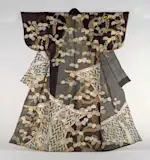 |
Back to Articles
SHARE
No comments yet