
Exhibition/event has ended.

Fuminori Nousaku + Mio Tsuneyama "Urban Fungus - Architecture is a Complex Ⅿesh"
TOTO Gallery Ma


Finished
SHARE
Artists
Fuminori Nousaku, Mio Tsuneyama
Both Fuminori Nousaku and Mio Tsuneyama have been engaged in architectural design, essay writing, and research on the relationship between architecture, urbanism, and ecosystems at universities both in Japan and internationally. At their home and office "Holes in the House," they have renovated a second-hand steel-framed house by creating openings for light and heat circulation, adding a concrete exterior structure with their own hands, and improving the soil underground, all from an ecological perspective. It serves as a practical space for experimenting with lessons learned elsewhere and expanding them into the next project.
In addition to their "Urban Wild Ecology" initiative to reintroduce wilderness into the city, they have recently actively incorporated traditional knowledge such as stone construction and timber framing, as well as materials like straw and mud walls that return to the earth, into their designs.
They view the city as a "habitat where various organisms shaped by human hands live." They dismantle parts of contemporary cities facing challenges, absorb their nutrients, and grow like fungi. Viewing architecture as nodes in the network of decay and regeneration, they aim to build multiple networks by cutting into the mesh, reconnecting with the wild and traditional knowledge.
This exhibition shares their attempts at small trial and error that anyone can replicate to reconnect the mesh, showcasing cross-section drawings and models of projects such as the ongoing renovations at "Holes in the House" and their latest work, "Akiya Smart House." Beyond this, they hope visitors can sense the possibilities and visions of architecture in the Anthropocene era.
In addition to their "Urban Wild Ecology" initiative to reintroduce wilderness into the city, they have recently actively incorporated traditional knowledge such as stone construction and timber framing, as well as materials like straw and mud walls that return to the earth, into their designs.
They view the city as a "habitat where various organisms shaped by human hands live." They dismantle parts of contemporary cities facing challenges, absorb their nutrients, and grow like fungi. Viewing architecture as nodes in the network of decay and regeneration, they aim to build multiple networks by cutting into the mesh, reconnecting with the wild and traditional knowledge.
This exhibition shares their attempts at small trial and error that anyone can replicate to reconnect the mesh, showcasing cross-section drawings and models of projects such as the ongoing renovations at "Holes in the House" and their latest work, "Akiya Smart House." Beyond this, they hope visitors can sense the possibilities and visions of architecture in the Anthropocene era.
Schedule | Jan 18 (Thu) 2024-Mar 24 (Sun) 2024 Opening Hours Information
| ||||
|---|---|---|---|---|---|
| Fee | Free | ||||
| Website | https://jp.toto.com/gallerma/ex240118/index.htm | ||||
| Venue | TOTO Gallery Ma https://jp.toto.com/gallerma/index_e.htm | ||||
| Location | 3F Toto Nogizaka bldg., 1-24-3 Minami-aoyama, Minato-ku, Tokyo 107-0062 | ||||
| Access | 1 minute walk from exit 3 at Nogizaka Station on the Chiyoda line, 6 minute walk from exit 8 at Roppongi Station on the Toei Oedo line, 7 minute walk from exit 4a at Roppongi Station on the Hibiya line. | ||||
| Phone | 03-3402-1010 | ||||
| Related images | Click on the image to enlarge it 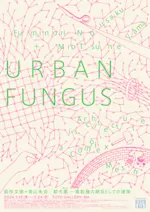 |
Back to Articles
SHARE
No comments yet