
Exhibition/event has ended.

Hyakka Ranman
Shiga Museum of Art


Finished
SHARE
Cherry blossoms and wisteria in spring, bellflowers and hydrangeas in summer, bush clover and chrysanthemums in autumn, and camellias and plum blossoms in winter. The beauty of flowers in each of the four seasons is a major theme of Japanese art. The Japanese people's spirituality of appreciating the changing seasons and their love of flowers, birds, wind, and the moon has given rise to a wide variety of floral expressions.
In Japanese painting, "flower-and-bird painting" is a genre that originally originated in China during the Tang dynasty and was introduced to Japan. During the Edo period (1603-1867), it was refined by the town painters and various styles of expression emerged, including the decorative Rimpa school and the Maruyama-Shijo school, which emphasized sketching.
In the Meiji period (1868-1912) and later, Western painting influenced the development of a new style of expression that went beyond traditional flower-and-bird painting. In the world of Western-style painting (oil painting) as well, Japanese painters created unique expressions that went beyond the framework of Western-style still-life paintings, taking into consideration the Japanese climate and the Japanese aesthetic sense.
This exhibition introduces the "beauty of flowers" in modern Japanese art from the late Edo period to the Showa period through 20 works by 20 artists, both Japanese and Western, following the seasons, starting with cherry blossoms in spring.
In Japanese painting, "flower-and-bird painting" is a genre that originally originated in China during the Tang dynasty and was introduced to Japan. During the Edo period (1603-1867), it was refined by the town painters and various styles of expression emerged, including the decorative Rimpa school and the Maruyama-Shijo school, which emphasized sketching.
In the Meiji period (1868-1912) and later, Western painting influenced the development of a new style of expression that went beyond traditional flower-and-bird painting. In the world of Western-style painting (oil painting) as well, Japanese painters created unique expressions that went beyond the framework of Western-style still-life paintings, taking into consideration the Japanese climate and the Japanese aesthetic sense.
This exhibition introduces the "beauty of flowers" in modern Japanese art from the late Edo period to the Showa period through 20 works by 20 artists, both Japanese and Western, following the seasons, starting with cherry blossoms in spring.
Schedule | Mar 14 (Tue) 2023-May 7 (Sun) 2023 Opening Hours Information
| ||||
|---|---|---|---|---|---|
| Fee | Adults ¥540; University and High School Students ¥340; Junior High School Students and Under, Seniors 65 & Over residing in Shiga, Persons with Disability Certificates free. | ||||
| Website | https://www.shigamuseum.jp/exhibitions/5092/ | ||||
| Venue | Shiga Museum of Art | ||||
| Location | 1740-1 Setaminamiogayacho, Otsu-shi, Shiga 520-2122 | ||||
| Access | From the South exit of Seta Station on the JR Biwako line, take the Teisan bus or Ohmi Railway Bus towards Shigaidai or Daigaku-Byoin and get off at Bunka Zone-mae. The venue is 5 minute walk from there. | ||||
| Phone | 077-543-2111 | ||||
| Related images | Click on the image to enlarge it 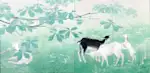 |
Back to Articles
SHARE
No comments yet