
Exhibition/event has ended.

Shigenori Uoya "Re-Weaving Urban Fabrics"
TOTO Gallery Ma


Finished
SHARE
Artists
Shigenori Uoya
Shigenori Uoya engages in architectural practice focusing on inheriting the context of urban areas based on research into the composition of various cities, including Kyoto. He has undertaken renovations of over 120 traditional townhouses (machiya) while maintaining a consciousness about the inheritance of urban contexts. In Kyoto, historic streetscapes face the threat of disappearance, with townhouses and row houses being demolished to make way for condominiums and parking lots. Amidst this, Uoya continues his efforts to inherit architectural remnants such as townhouses, alleyways, and plot divisions.
For instance, in the "Container Machiya" project, Uoya covered a corner of a row house with a steel frame and combined it with container units to meet modern utilization needs while preserving the alleyways. The "Kakkyoyama Kaisho," which won the Japan Institute of Architects Award in 2023, revitalized a historic festival hall in Gion by utilizing preservation building regulations and conducting expansion through a hybrid of existing wooden structures and steel frames.
Through various techniques incorporating modern technology into historical and regional contexts, he aims to inherit the cityscape and architecture for the next 100 years, striving for a richer urban environment and urban living. Uoya's practice, based on his extensive practical experience in Kyoto, extends to various regions in Japan and overseas.
This exhibition expresses Uoya's perspective on urbanism and architecture under the title "Re-Weaving Urban Fabrics" which encompasses both "layering the time of the city" and "deciphering and reorganizing the urban structure."
For instance, in the "Container Machiya" project, Uoya covered a corner of a row house with a steel frame and combined it with container units to meet modern utilization needs while preserving the alleyways. The "Kakkyoyama Kaisho," which won the Japan Institute of Architects Award in 2023, revitalized a historic festival hall in Gion by utilizing preservation building regulations and conducting expansion through a hybrid of existing wooden structures and steel frames.
Through various techniques incorporating modern technology into historical and regional contexts, he aims to inherit the cityscape and architecture for the next 100 years, striving for a richer urban environment and urban living. Uoya's practice, based on his extensive practical experience in Kyoto, extends to various regions in Japan and overseas.
This exhibition expresses Uoya's perspective on urbanism and architecture under the title "Re-Weaving Urban Fabrics" which encompasses both "layering the time of the city" and "deciphering and reorganizing the urban structure."
Schedule | May 23 (Thu) 2024-Aug 4 (Sun) 2024 Opening Hours Information
| ||||
|---|---|---|---|---|---|
| Fee | Free | ||||
| Website | https://jp.toto.com/gallerma/ex240523/index.htm | ||||
| Venue | TOTO Gallery Ma https://jp.toto.com/gallerma/index_e.htm | ||||
| Location | 3F Toto Nogizaka bldg., 1-24-3 Minami-aoyama, Minato-ku, Tokyo 107-0062 | ||||
| Access | 1 minute walk from exit 3 at Nogizaka Station on the Chiyoda line, 6 minute walk from exit 8 at Roppongi Station on the Toei Oedo line, 7 minute walk from exit 4a at Roppongi Station on the Hibiya line. | ||||
| Phone | 03-3402-1010 | ||||
| Related images | Click on the image to enlarge it 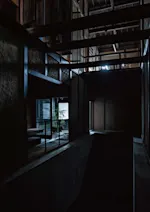 |
Back to Articles
SHARE
No comments yet