
Exhibition/event has ended.

Ukiyo-e Prints x Kabuki Actors
Hagi Uragami Museum


Finished
SHARE
Artists
Sharaku Toshusai, Kunisada Utagawa et al.
Numerous yakusha-e (portraits of kabuki actors), a genre of ukiyo-e prints, were published during the Edo period. During this period, hanagata actors were at the forefront of fashion, and kabuki performances were so popular that they were performed from sunup to dusk, taking all day. Each performance was also filled with the ingenuity of the kyogen authors and actors in their attempts to entertain the audience.
In the Kabuki world yakusha-e played a role similar to that of stage photographs. The full-body portrait of an actor with a radiant aura, a close-up portrait of an actor as if nearby, and a depiction of the background that evokes the emotion of the theater- ukiyo-e artists created a variety of ukiyo-e that were used to portray actors.
Throughout the history of ukiyo-e and yakusha-e have remained a popular genre, as ukiyo-e artists beautifully reproduced the charm of actors and stage performances.
This exhibition traces the evolution of yakusha-e expression from its birth in the Genroku period (1688-1704) to its demise in the Meiji period (1868-1912). The exhibition will examine how ukiyo-e artists pursued their artistic expression in response to people's fascination with kabuki and the actors and dramas.
In the Kabuki world yakusha-e played a role similar to that of stage photographs. The full-body portrait of an actor with a radiant aura, a close-up portrait of an actor as if nearby, and a depiction of the background that evokes the emotion of the theater- ukiyo-e artists created a variety of ukiyo-e that were used to portray actors.
Throughout the history of ukiyo-e and yakusha-e have remained a popular genre, as ukiyo-e artists beautifully reproduced the charm of actors and stage performances.
This exhibition traces the evolution of yakusha-e expression from its birth in the Genroku period (1688-1704) to its demise in the Meiji period (1868-1912). The exhibition will examine how ukiyo-e artists pursued their artistic expression in response to people's fascination with kabuki and the actors and dramas.
Schedule | Jul 29 (Sat) 2023-Aug 27 (Sun) 2023 Opening Hours Information
| ||||
|---|---|---|---|---|---|
| Fee | Adults ¥1300, University Students ¥1100, Seniors 70 & Over ¥1000, Under Age 19 free. | ||||
| Website | https://www.hum.pref.yamaguchi.lg.jp/exhibition/special/2023/08/054991.html | ||||
| Venue | Hagi Uragami Museum https://hum-web.jp/global/ | ||||
| Location | 586-1 Hiyako-machi, Hagi-shi, Yamaguchi 758-0074 | ||||
| Access | 20 minute walk from Tamae Station on the JR Sanin Main line; From Hagi Station on the JR Sanin Main line, take the bus and get off at Hagi Meirin Center. The venue is 5 minute walk from there. | ||||
| Phone | 0838-24-2400 | ||||
| Related images | Click on the image to enlarge it 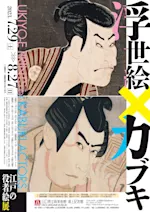 |
Back to Articles
SHARE
No comments yet