Toshiki Okada × Maho Isono | Breaking Through: How "Autumn Meteorite 2025 Tokyo" Aims to Transform Performing Arts
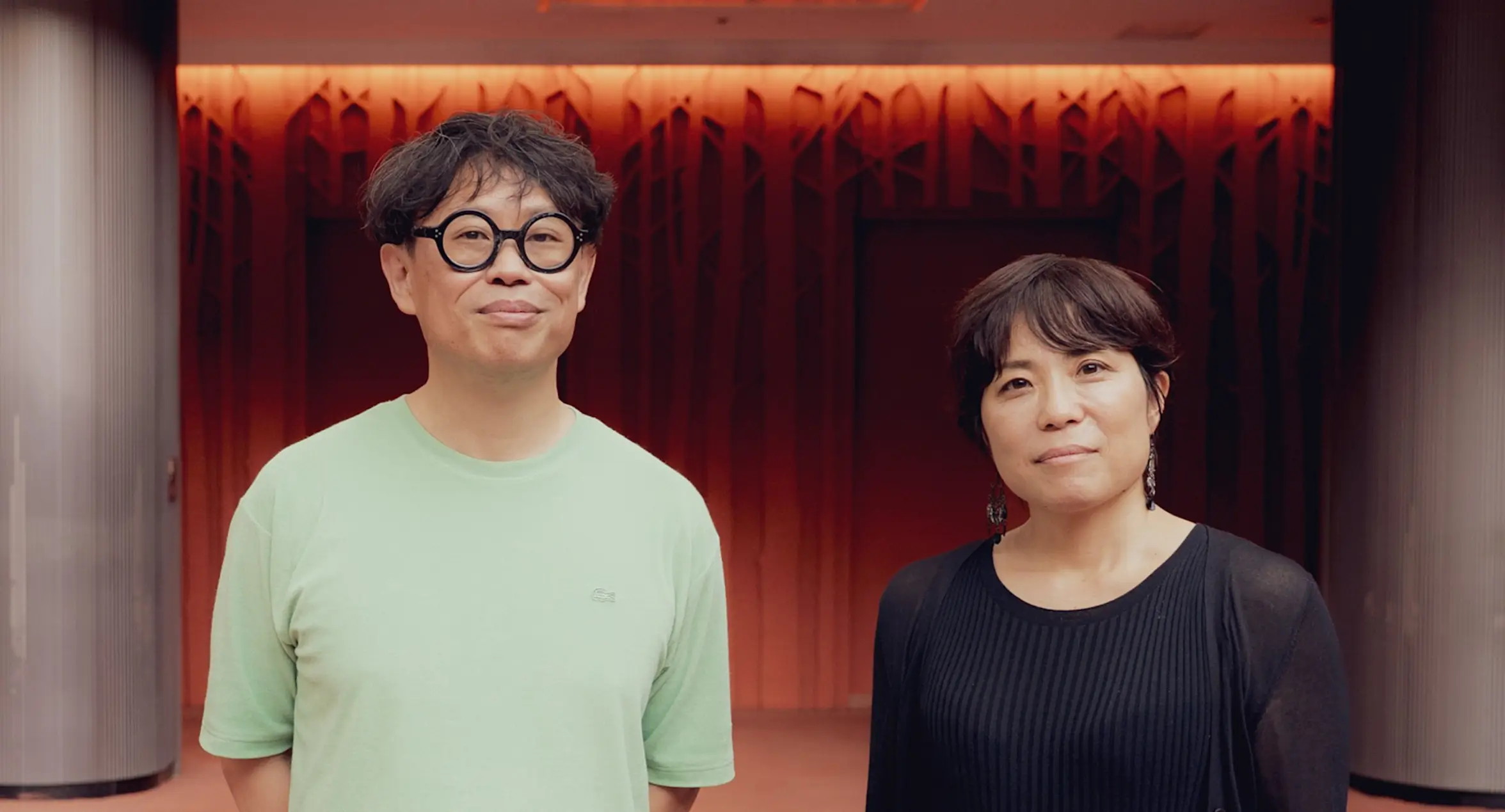
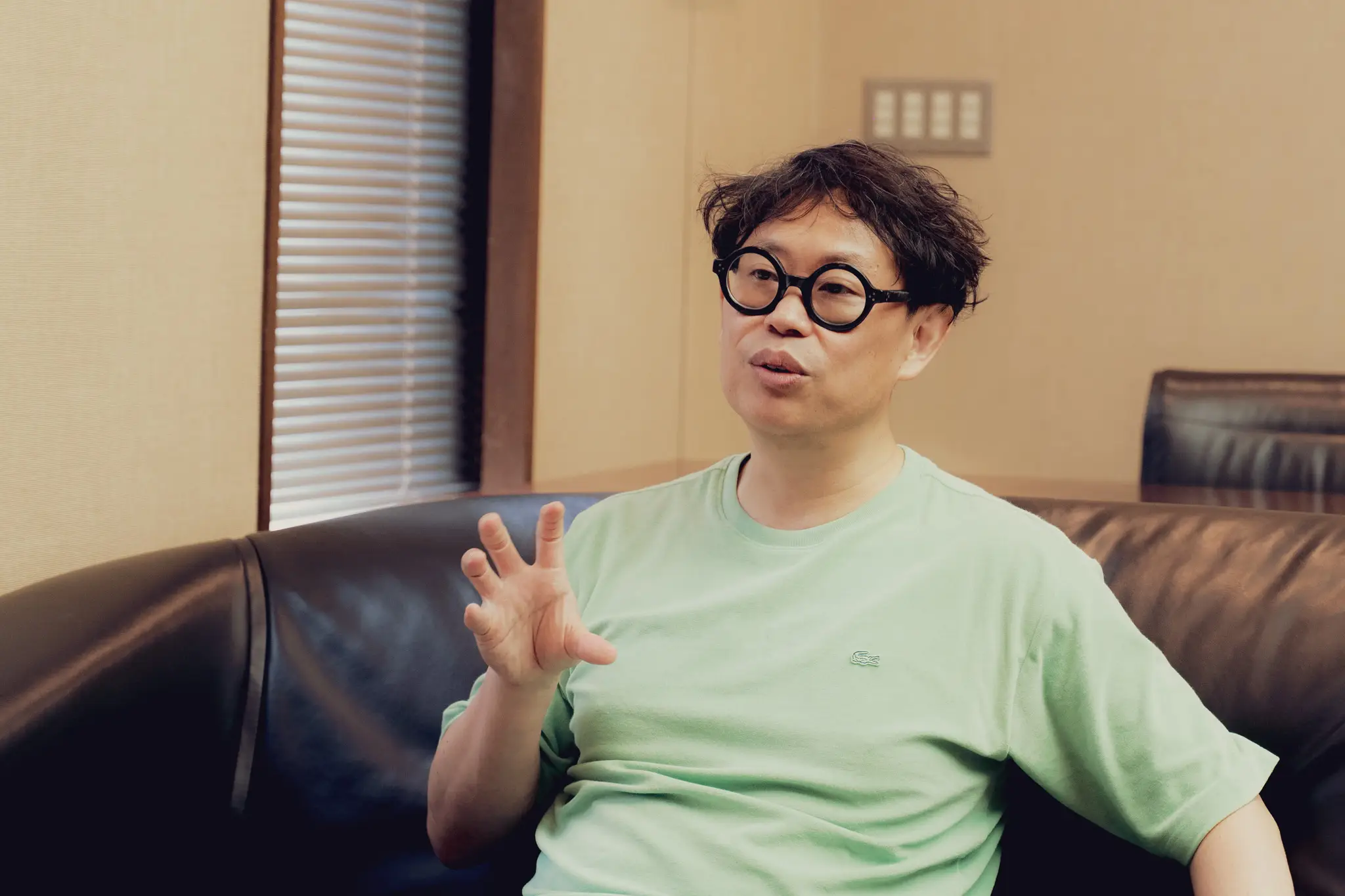
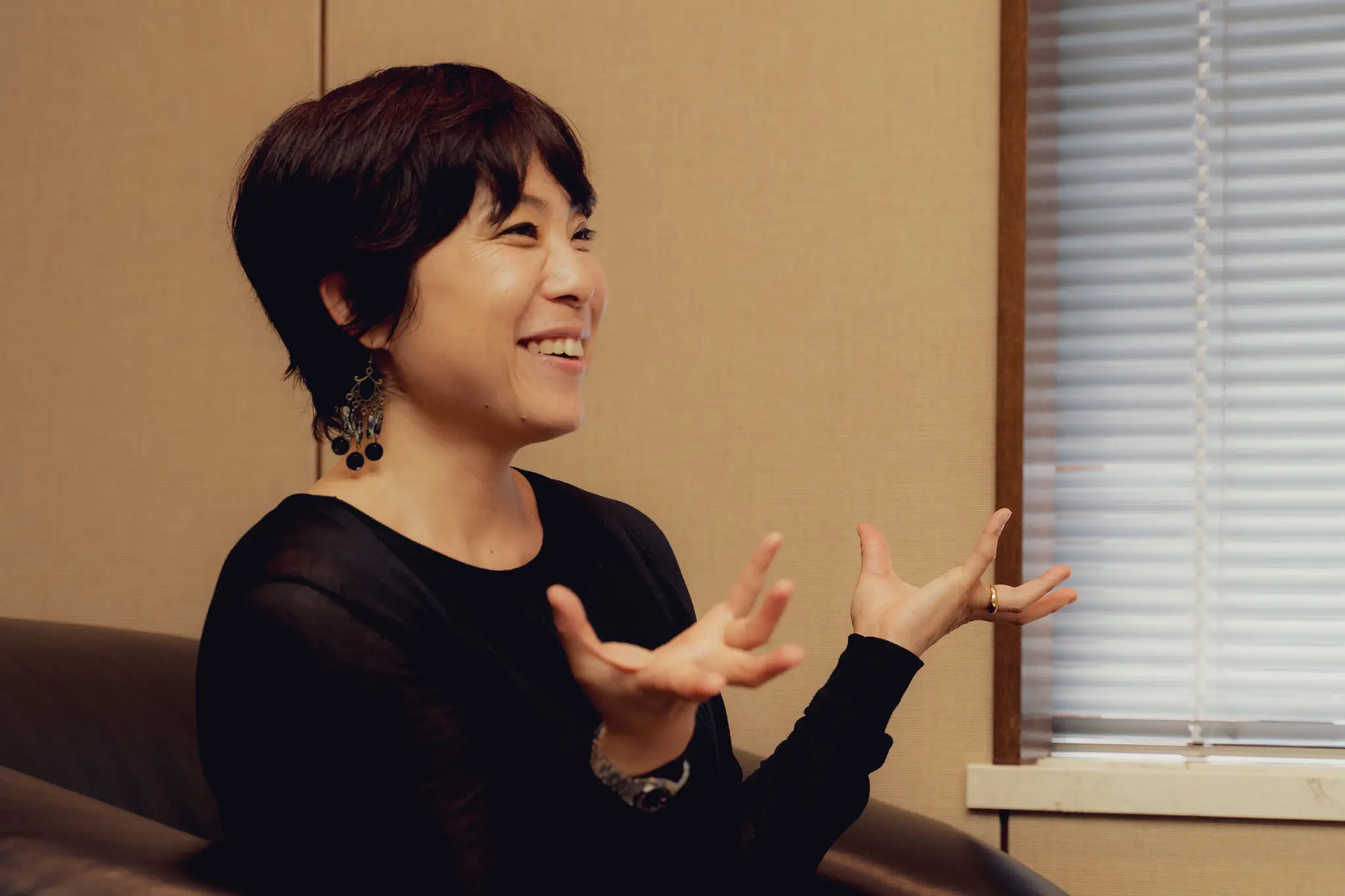
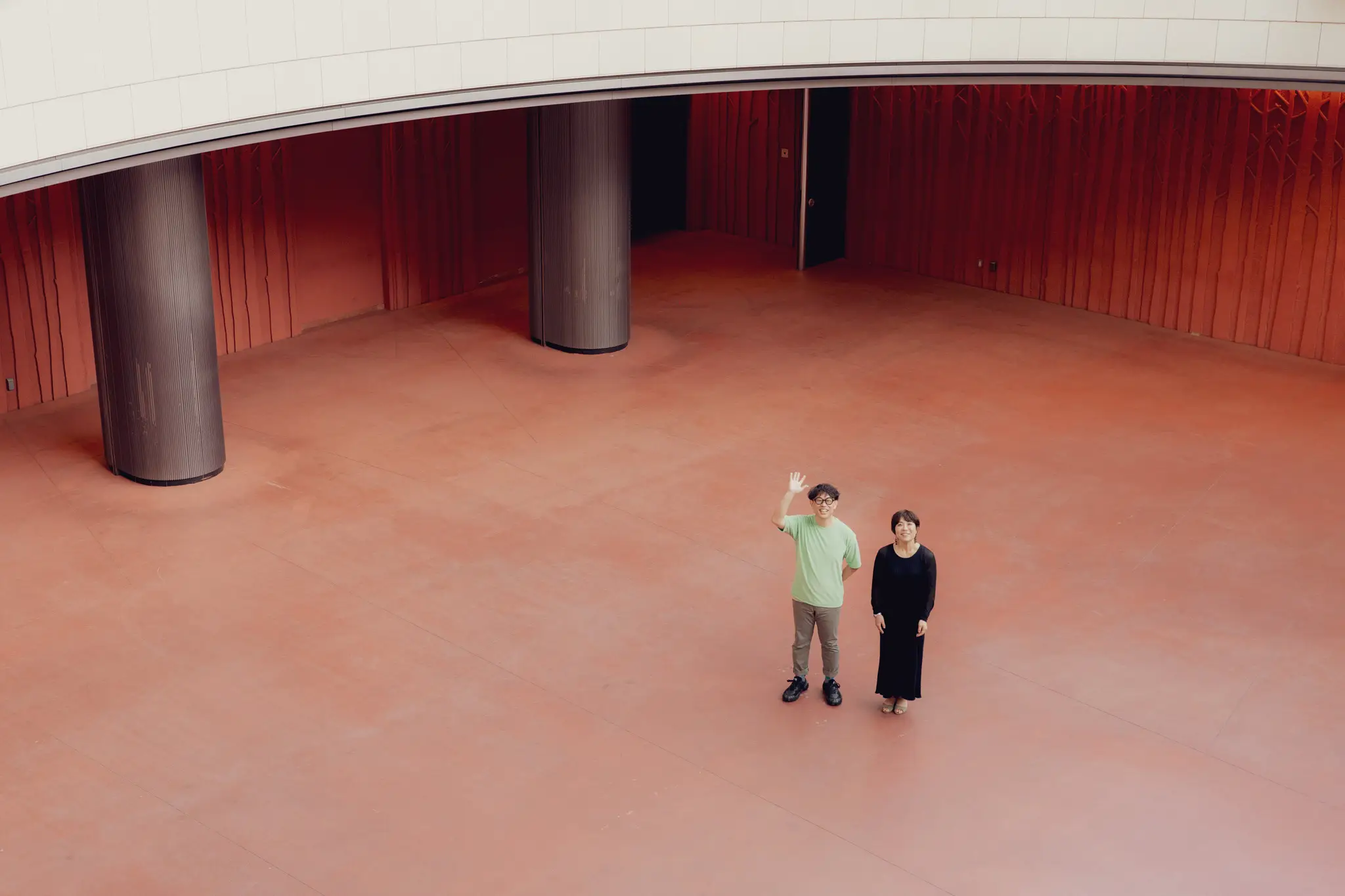
Toshiki Okada and Maho Isono at the Tokyo Metropolitan Theatre


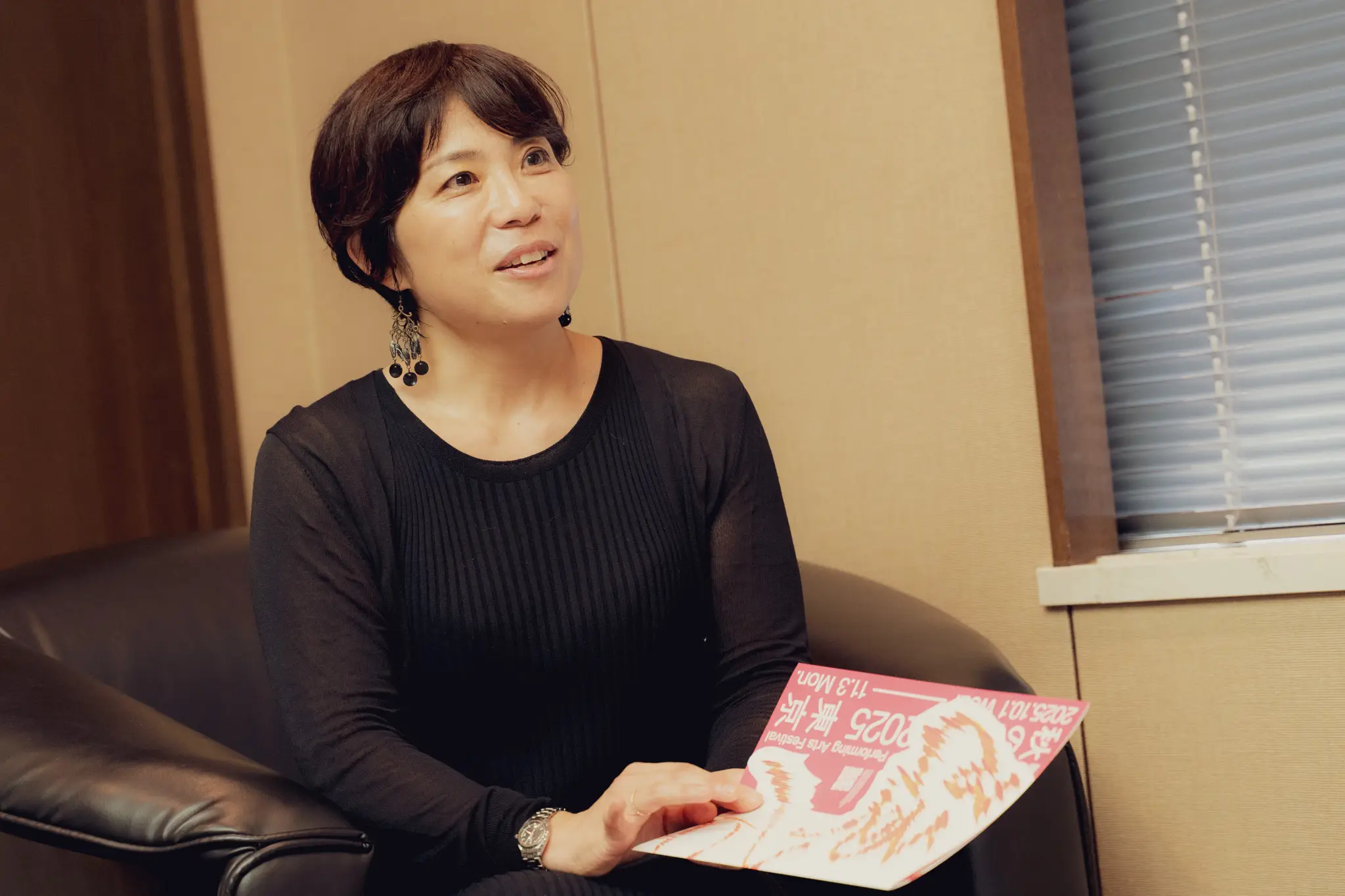
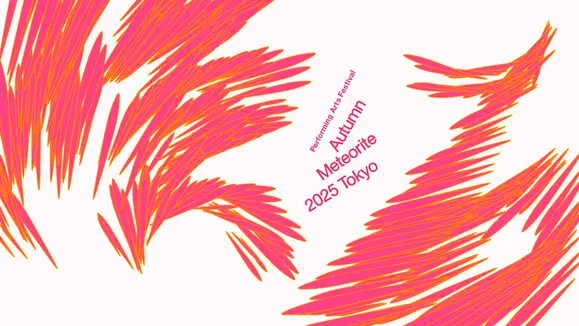
Performing Arts Festival: Autumn Meteorite 2025 Tokyo
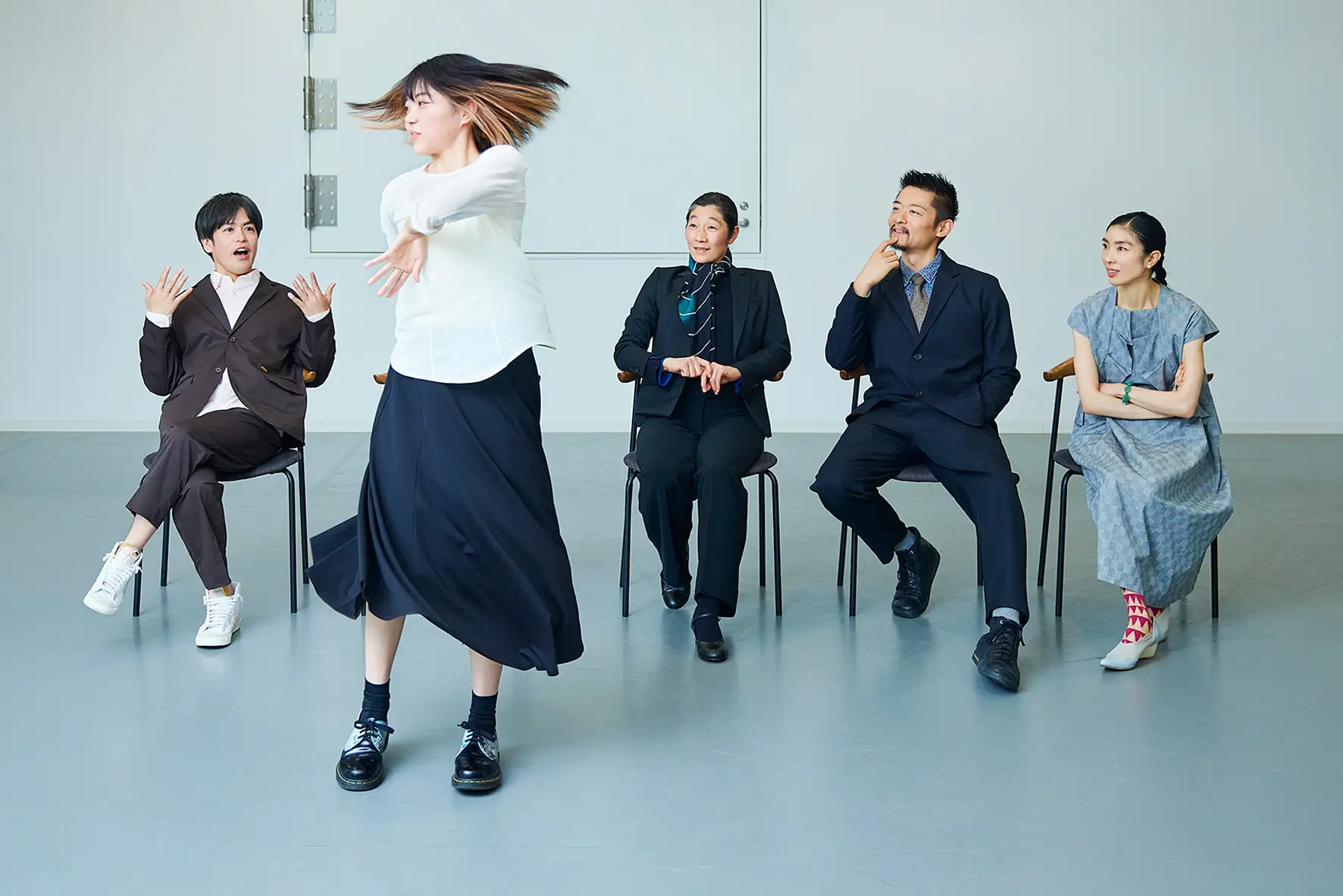
This autumn, the Performing Arts Festival: Autumn Meteorite 2025 Tokyo will be taking place at Tokyo Metropolitan Theatre (Ikebukuro) and the surrounding area. This festival marks the first time that Toshiki Okada—who has gained attention both domestically and internationally as a playwright, novelist, and founder of chelfitsch—serves as artistic director. What should be particularly noted is the festival's thorough commitment to being completely "open."
For this article, we sat down with artistic director Toshiki Okada and cultural anthropologist Maho Isono. While working in different fields, both have continuously explored the relationship between embodiment and language. They discussed the intentions embedded in the word "meteorite" and attempts to transform reality beyond symbols and words.
Breaking barriers at meteorite speed
——The word "meteorite" in the title is quite striking. What does it represent?
Toshiki Okada (hereinafter, Okada): Meteorites come from outside—they are symbols of what doesn't exist here and now. This absence also refers to the things and people that are missing from the current context of theater.
International performing arts festivals have long existed both domestically and abroad. But personally, I feel a kind of frustration, or even irritation, with their current state and approach. In this festival, I want to break through that using the idea of a meteorite.
——Could you elaborate on the content of this "frustration or irritation"?
Okada: It is not limited to performing arts, but when it comes to it, functional contexts are extremely limited and currently only resonate with people who already have an interest in the subject. Of course, I'm grateful for those who say, "I love going to see theater and performances."
However, this frustration or irritation isn't directed at people who don't attend performances—it's actually the opposite. It's frustration and irritation with ourselves for only being able to create such limited situations, with our current inability to influence those outside the existing audience.
Maho Isono (hereinafter, Isono): This might resonate with my field of humanities and social sciences. Nowadays, very few people pick up non-fiction books, and even within that narrow field, there's a tendency toward insularity.
Initially, the humanities and social sciences should have played a role in clarifying our understanding of the world, but words don't reach beyond the circle of insiders. Sometimes I feel the same frustration.
——I think there's a common "community" phenomenon happening in both theater and academic circles. While the context within these communities is strong, this very strength causes them to become isolated and closed off like islands.
Okada: Exactly. In any case, the current situation is unsatisfying. That's why I want to change that context.
Isono: My encounter with cultural anthropology was truly like being struck by a meteorite. I was initially studying exercise physiology, but when I encountered cultural anthropology at age 23, I was moved by the breadth and depth of the world that it revealed to me—that was my foundational experience.
Was your encounter with the theater something like a meteorite strike?
Okada: For me, theater was like starting to date someone I wasn't even that fond of. I love it now, though. I strongly hope this festival will serve as a meteorite for both participants and audience members—something that strikes from outside their familiar worlds and opens up new possibilities.
Hello and Welcome: Beyond accessibility
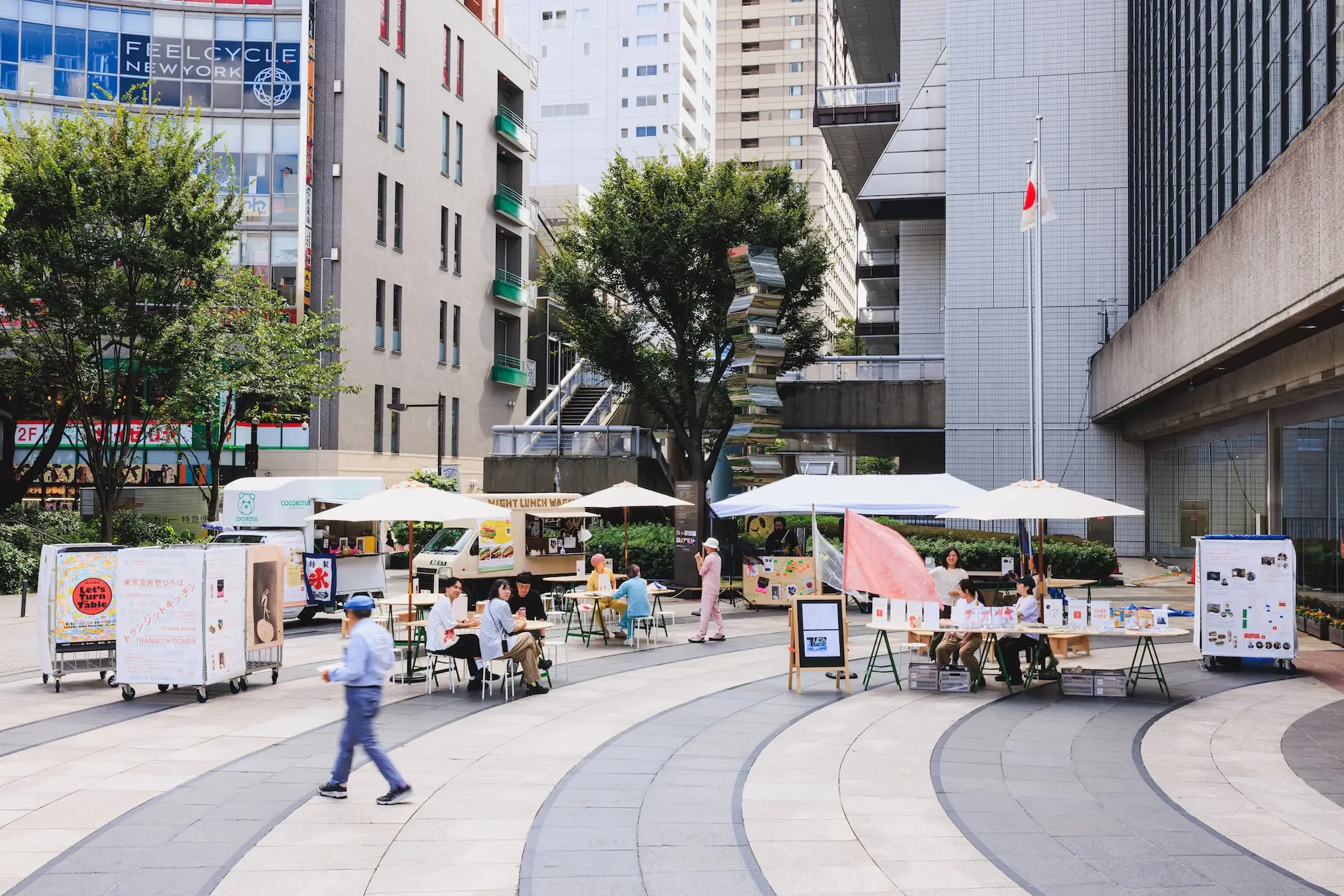
——What's particularly striking about this festival is how it positions three elements as parallel pillars: the "Performance Programs," the "Non-Performance Programs" related to performing arts, and the "Hello and Welcome (Attendee Support)," which questions not only audience support and accessibility but the fundamental approach to presenting performing arts itself. This structure reveals an intention that goes far beyond the typical implications of "inclusive" or "accessible."
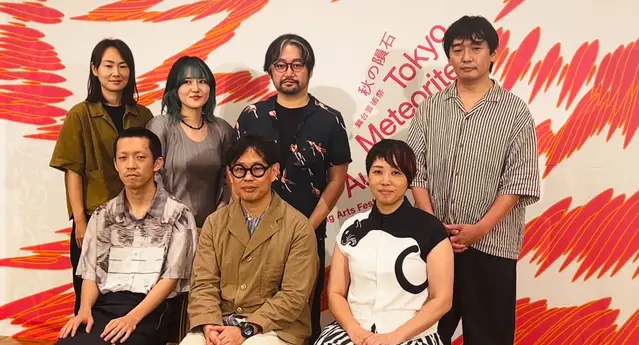
Okada: We recently held a press conference. While there was attention to the programs, I felt there was perhaps even greater interest in the "Hello and Welcome" framework, particularly our efforts to enhance audience support during performances—like adding subtitles and audio guides. That was very encouraging.
On the other hand, focusing solely on that aspect is, understandably, almost too predictably contemporary. The expectations for the "Hello and Welcome" framework might be the flip side of art not being expected to reach beyond its usual boundaries.
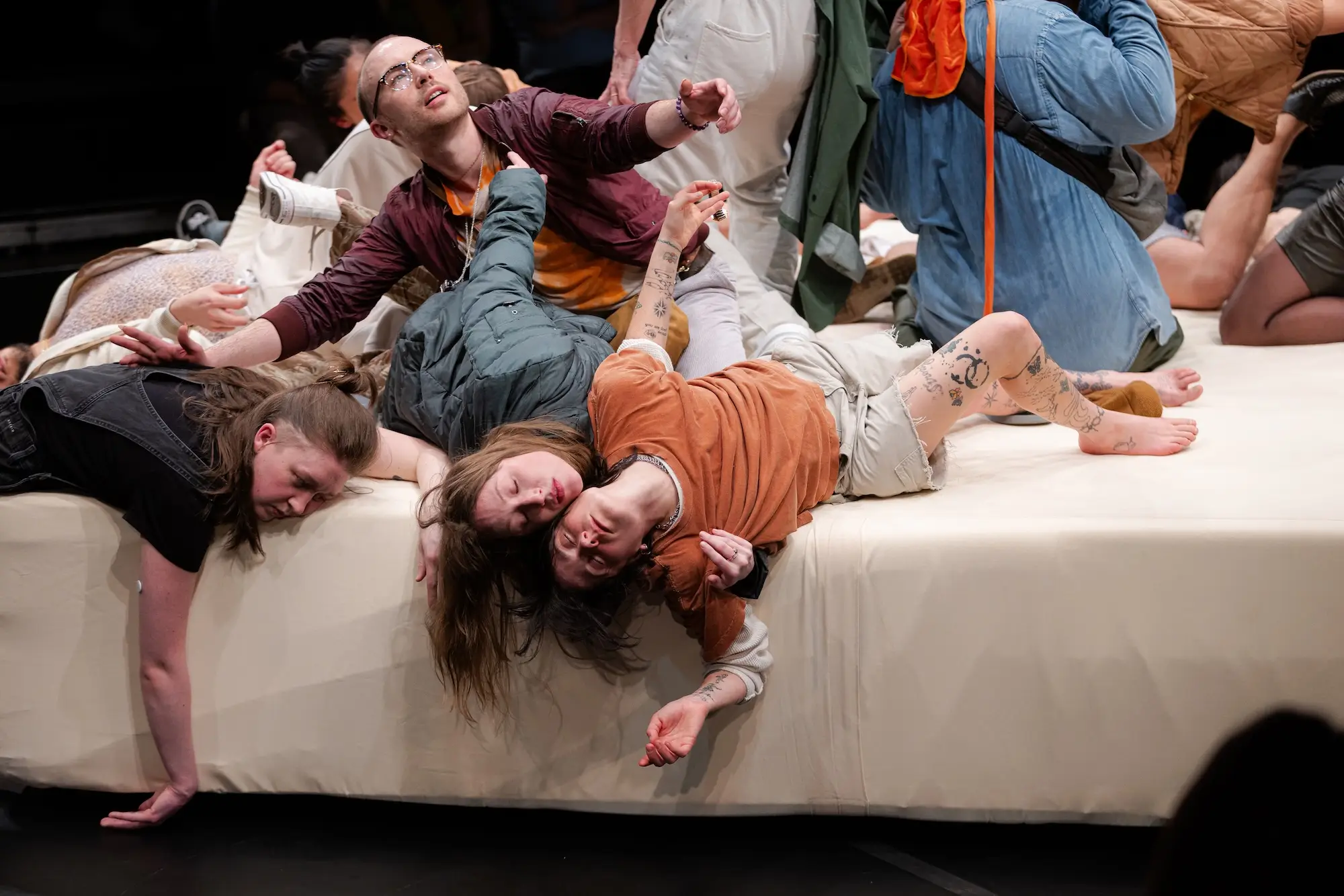
The “Performance Programs” are overflowing with "meteorite-ness." You might wonder what it is, but you'll understand when you see it. Originally, "meteorite" and "meteorite-ness" were keywords used within our team to share consensus and ideas. Both presenting programs we believe are meaningful and enhancing support for people who have felt “maybe the theater isn't my place, maybe it's not for me" are equivalent in terms of realizing “meteorite-ness.” I hope this comes across clearly.

From concept to practice, living the "meteorite" vision
Isono: Listening to you now, I understand that "meteorite" is being used as an important symbol. I've always researched the themes of body and embodiment, but lately I often think about organizational culture. For instance, in the university classes, I tell students that culture is created through the interplay of symbols, beliefs, and practices.
Often, proclaimed words end up becoming mere slogans, don't they? I'm curious about how the team creating this festival is beginning to practice the beliefs embedded in the "meteorite" symbol.
Okada: That's where we are now—figuring it out as we go. With 40-50 members involved within the organizing committee alone, everyone is currently absorbing these concepts while putting them into practice.
Isono: This is somewhat off-topic, but I recently researched Sony and found something interesting. During Apple's rise in the early 2000s, Sony experienced a major decline in performance before eventually recovering. Interestingly, what served as their foundation was the company's founding prospectus, written in 1946, right after World War II.
During Sony's revival under President Kazuo Hirai, he repeatedly used the word "KANDO" (emotion/inspiration) in various contexts. Ultimately, they were returning to the ideals of their founding prospectus. I think that's exactly what it means for words to live, be practiced, and be inherited.
For this festival as well, continuously creating time and space for everyone to think about "what is a meteorite" will itself forge "meteorite" not as a slogan but as a substantial symbol. This means the meteorite symbol becomes truly shared and embodied among team members. A festival delivered by a team with such a symbol deeply embedded in their organizational culture will surely have that spirit dwelling within it. At that point, "meteorite" will no longer be a metaphor.
Creative methods for revealing the essence
Isono: How would you like your works to be remembered?
Okada: I don't really imagine them remaining in anyone's memory, but I'm happy when people who've seen my work talk not about the work itself, but about themselves through it. Also, people often create stories about scenes that weren't actually there, and I find that really wonderful. It means the work functioned as a medium, not in a one-way manner.
Art and theater seem to me like attempts to draw out something essential by constantly changing approaches and perspectives, always exploring how to help audiences encounter that essence.
Isono: When You and I: The Illness Suddenly Gets Worse (co-authored with Makiko Miyano, 2019) was going to be made into a film, what struck me in my conversation with director Ryusuke Hamaguchi was his point that actors perform scripts, but in performing, from time to time, something that isn't acting emerges, and that's what he wants to capture.
Okada: Indeed, he often says things like "I captured something good." For me, as someone doing theater, that sounds very much like a filmmaker's perspective. Theater repeats performances, so even if something amazing happens once, it doesn't become a permanent "Amazing!" moment.
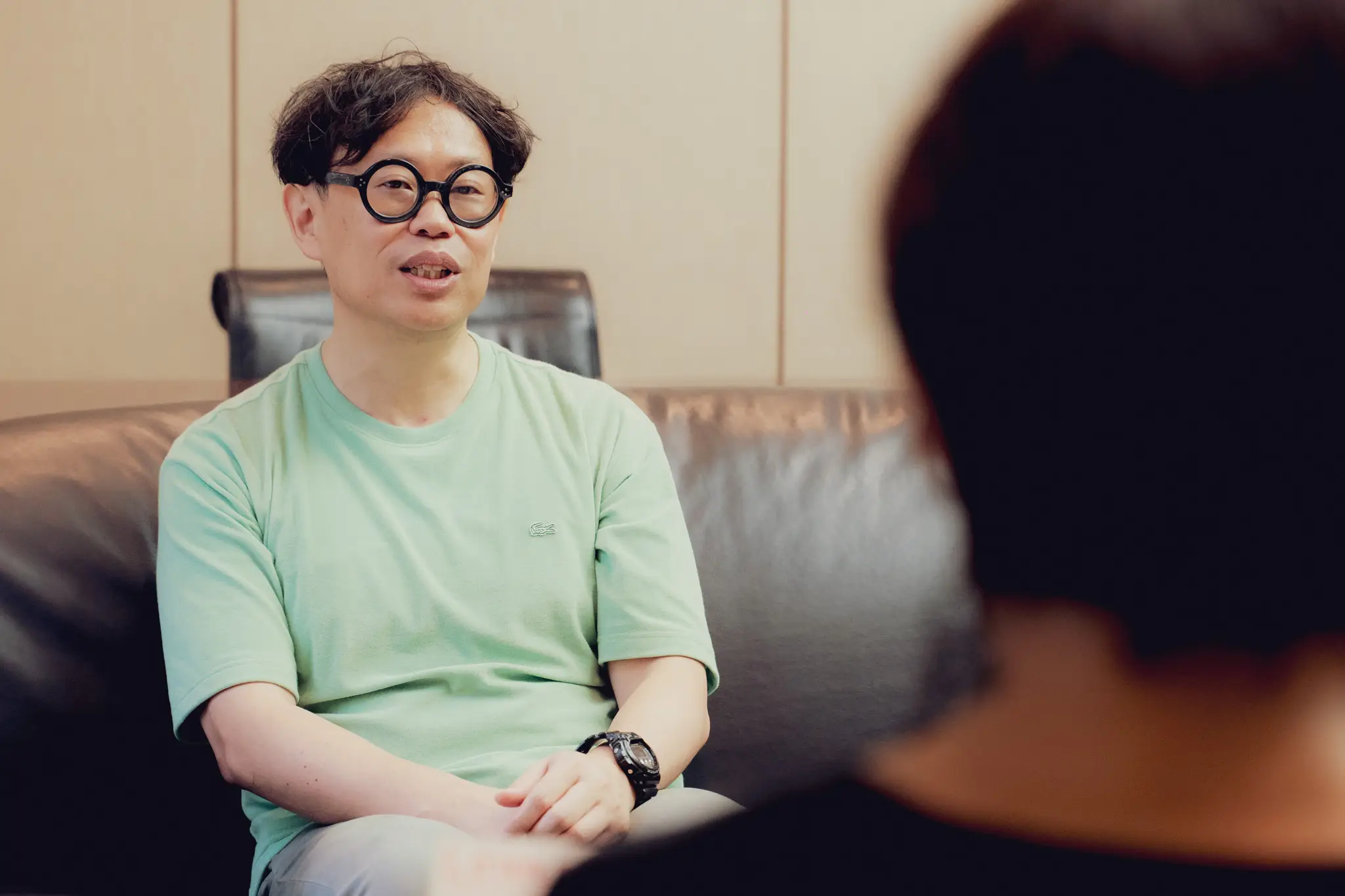
—I understand you also read You and I: The Illness Suddenly Gets Worse. It's written as an exchange of letters between Isono and philosopher Miyano, who was battling cancer at the time. Through words as a medium, there's an attempt to reach beyond the circumstances. I feel this somehow connects to today's discussion. What were your impressions?
Okada: Toward the latter half, the agitation appearing in your writing was striking. And I felt respect for the fact that it was published without being hidden. It could have been corrected during editing, but it wasn't.
Isono: I couldn't do it. If Miyano were still with us during the editing process, there might have been a possibility to hide that rawness, but since I couldn't change her text, I ended up not editing my own writing either, and it was published as is.
In the situation where Miyano was getting worse right before my eyes, I was clearly agitated, and it spilled into my writing. So it's too overwhelming for me to reread it.
Okada: Ah, I see. For me, especially the latter half, it was almost like a novel...like Natsume Soseki's Kokoro.
Isono: I was really desperate. Looking back, especially the latter half had this intense exchange of words, and although we've been researchers for about 20 years and fairly good with words, I think we were both communicating with words as a medium, as you mentioned earlier.
Miyano's time stopped on the morning of July 22, 2019, so only my time continues to pass. As a result, naturally, only my profile gets updated with each new edition. It's obvious, but it's also a book that makes me think about time progressing, and living while carrying on what remains there.
Creating a festival through trial and error
—Looking ahead to the festival, what are your expectations?
Isono: I hope that visitors will feel the team's struggles and dedication as they create this festival through trial and error. Even if they can't put it into words, if they sense that effort, it would be a success.
Okada: Actually, many people who like performing arts don't like what I create. But on the other side, many people who aren't really into theater do like my work.
This could apply to the festival, too. People who "don't really get performing arts" might still like it. Creating works and programs for the festival are different things, but what I can do for the performing arts is change the context.
By the way, you don't see much performing arts, do you? Why not?
Isono: That's true, I don't see much. I wonder why... We often ask "Why do you do this?" but rarely "Why don't you do it?" That's quite interesting.
Okada: Since almost no one watches performing arts, that's what interests me most. As a festival director, I could say I'm only interested in "why people aren't interested in performing arts."
Thinking about competing with other entertainment feels wrong to me somehow. It's challenging, but I hope we can keep working as a team through trial and error. We want to get people interested in this festival, but not through competition.
Words like "accessibility" and "inclusive" can't capture what real coexistence looks like—something always gets lost in translation. The Autumn Meteorite 2025 Tokyo team is designing this festival with marginalized voices in mind, but their vision goes deeper than inclusion. They're questioning the very boundaries between inside and outside theater, between audience and non-audience, creating something entirely new.
This conversation between theater and anthropology—two different fields reaching toward what lies beyond words—revealed how hard it is to convey complexity when catchy phrases fall short. Yet it also showed why we keep talking anyway.
This autumn, we're all invited to become meteorites at the Performing Arts Festival: Autumn Meteorite 2025 Tokyo—visitors encountering the unexpected, striking something new.

 0Posts
Performing Arts Festival: Autumn Meteorite 2025 Tokyo
October 1 - November 3
Tickets on sale
Toshiki Okada
Playwright, novelist, and the director of the theater company chelfitsch. In 2005, he received the 49th Kishida Kunio Drama Award for Five Days in March. In 2007, he participated in the Kunstenfestivaldesarts, held in Brussels, with his work Five Days in March. Since the debut of his work overseas, he has continued to present works not only domestically but also internationally, putting on performances in over 90 cities across Asia, Europe, North America, and South America. Okada’s work also involves many international co-productions such as God Bless Baseball in 2015 featuring a Japanese and Korean cast, Pratthana – A Portrait of Possession in 2018, which is based on a Thai novel by Uthis Haemamool featuring Thai actors and which received the 27th Yomiuri Theater Awards Selection Committee Special Prize, as well as Metamorphosis of a Living Room in 2023 commissioned by Wiener Festwochen. Since 2016, he has also consistently created and directed works in a repertory program at a renowned public theater in Germany. In 2020, his work The Vacuum Cleaner (Münchner Kammerspiele) and in 2022, Doughnuts (Thalia Theater, Hamburg) were selected as part of the Berliner Theatertreffen’s 10 Remarkable Productions. His work Unfulfilled Ghost and Monster – ZAHA / TSURUGA won the 72nd Yomiuri Prize for Literature (Play/Scenario Award) and the 25th Tsuruya Namboku Drama Award. This play, together with his opera Yuzuru, received the Director Award of the 29th Yomiuri Theater Awards in 2022. As a novelist, he published The End of the Moment We Had (Shinchōsha) in 2007, which won the 2nd Kenzaburō Ōe Prize. In 2022, he received the 35th Mishima Yukio Prize and the 64th Kumanichi Literary Award for his novel Broccoli Revolution (Shinchōsha).
Maho Isono
Anthropologist specializing in cultural and medical anthropology. Completed her doctoral program at Waseda University Graduate School of Letters in 2010 (Ph.D. in Literature). After serving as an assistant professor at Waseda University and an associate professor at the International University of Medicine and Welfare Graduate School, she has worked as an independent researcher since 2020. Since 2024, she has been a professor at the Institute of Science Tokyo. She serves as a board member of De-Silo and director of the Applied Anthropology Research Institute ANTHRO. You and I: The Illness Suddenly Gets Worse (co-authored with Makiko Miyano, Shobunsha) is being adapted into a film directed by Ryusuke Hamaguchi, scheduled for release in 2026.

Mizuki Takeuchi
Mizuki Takeuchi