Best Exhibitions Starting in April 2026


Tokyo Art Beat presents a selection of the best exhibitions opening in April 2026. Save the exhibitions on the TAB website or TAB app and don't miss the openings and closings.
- ◎ Tokyo
- 【Tokyo】 TOP Collection: Don't think. Feel. (Tokyo Photographic Art Museum)
- 【Tokyo】 Looking at Architecture 2026: Animals in the Residence of Prince Asaka (Tokyo Metropolitan Teien Art Museum)
- 【Tokyo】 MARTIN MARGIELA AT KUDAN HOUSE (Kudan House)
- 【Tokyo】 Georges Rouault: Memories of the Artist’s Studio (Panasonic Shiodome Museum of Art)
- 【Tokyo】 Hanae Mori Vital Type: The 100th Anniversary of Birth (The National Art Center, Tokyo)
- 【Tokyo】 Utagawa Hiroshige “One Hundred Famous Views of Edo” - His Final Challenge (Ota Memorial Museum of Art)
- 【Tokyo】 Surrealism: Expanding from the Visual Arts to Advertising, Fashion, and Interior Design (Tokyo Opera City Art Gallery)
- 【Tokyo】 Swiss Painter Karl Walser — Dark Afterglow of the Fin de Siècle (Tokyo Station Gallery)
- 【Tokyo】 Collection Exhibition: 30 Years After the Death of Chiyo Uno (Setagaya Literary Museum)
- 【Tokyo】 Kyosai's World: The Israel Goldman Collection (Suntory Museum of Art)
- 【Tokyo】 Special Exhibition “In Praise of Great Edo” (Edo-Tokyo Museum)
- 【Tokyo】 Eric Carle: Art, Books, and the Caterpillar (Museum of Contemporary Art Tokyo)
- 【Tokyo】 100th Anniversary of the Tokyo Metropolitan Art Museum Andrew Wyeth Boundaries or Windows (Tokyo Metropolitan Art Museum)
- 【Tokyo】 Ron Mueck (Mori Art Museum)
- ◎Japan
- 【Aomori】 Katsuhiko Hibino: Alone on the Bridge, Together on a Boat (Hachinohe Art Museum)
- 【Tochigi】 Van Gogh and the Impressionists from the Wallraf-Richartz Museum (Utsunomiya Museum of Art)
- 【Chiba】 Komura Settai in Perspective: A Secret Sense of Beauty (Chiba City Museum of Art)
- 【Kanagawa】 Imamura Shikō: A Revolutionary Innovator of Nihonga (Yokohama Museum of Art)
- 【Ishikawa】 Rojo: Shared Ground - Am I in Your Way? (21st Century Museum of Contemporary Art, Kanazawa)
- 【Nagano】 Hokusai x Fukuda Miran: A Message for Obuse (The Hokusai Museum)
- 【Aichi】 Hitsuda Nobuya: Scenes Passed By (Toyota Municipal Museum of Art)
- 【Kyoto】 KYOTOGRAPHIE 2026 (Hachiku-an [Former Kawasaki Residence])
- 【Kyoto】 Daido Moriyama: A Retrospective (Kyoto City KYOCERA Museum of Art)
- 【Osaka】 Cabinet of Curiosities— Disappearance (Nakanoshima Museum of Art, Osaka)
- 【Osaka】 Full Power! The Tale of the Treasure: Tracing Beauty Through Osaka City Museum of Fine Arts (Osaka City Museum of Fine Arts)
- 【Hiroshima】 Tokusaburo Kobayashi: The Extraordinary Painter from Fukuyama (Fukuyama Museum of Art)
- 【Kochi】 Leo Lionni and His Circle of Friends (The Museum of Art, Kochi)
- 【Fukuoka】 The Magnificent Hosomi Collection: Jakuchu, the Rimpa School, and the Fine Art of Kyoto (Kyushu National Museum)
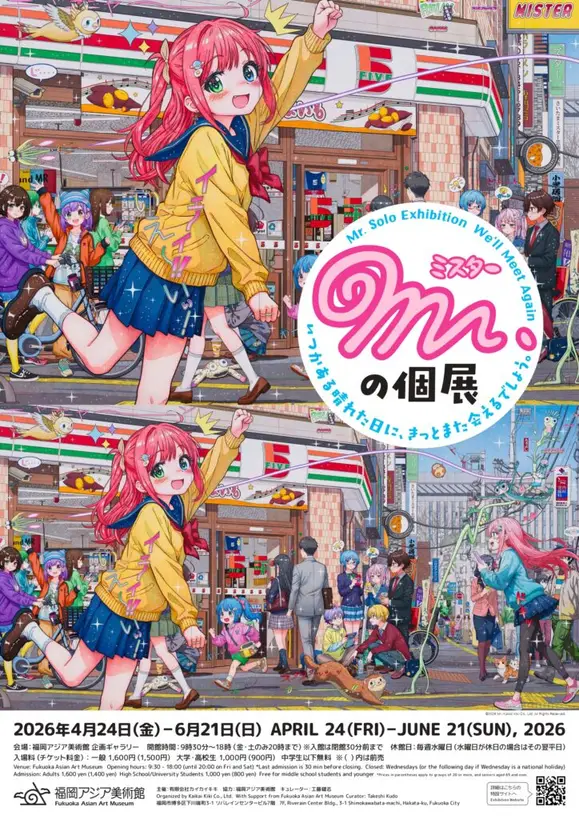
- 【Fukuoka】 Mr. Solo Exhibition: We’ll Meet Again Someday on a Bright Day (Fukuoka Asian Art Museum)
- 【Oita】 Kaj Franck Retrospective: Timeless Finland Design (Oita Prefectural Art Museum)
◎ Tokyo
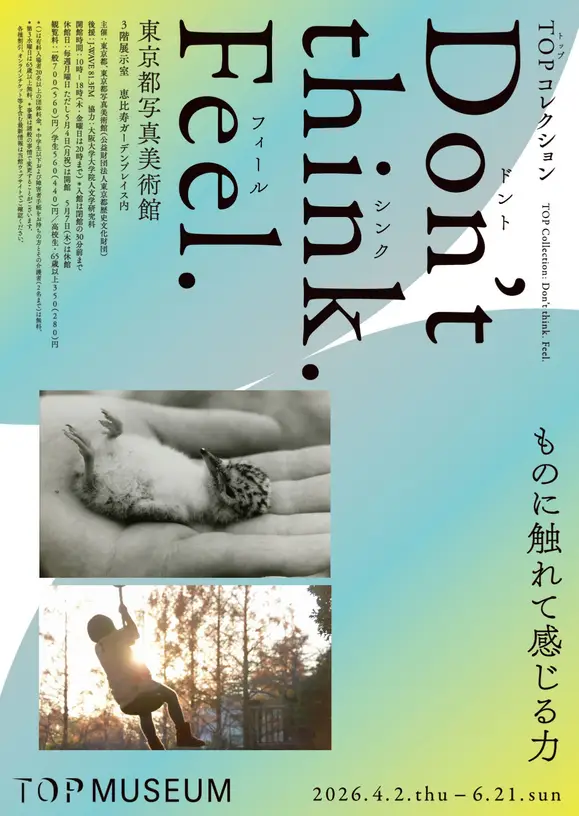
【Tokyo】 TOP Collection: Don't think. Feel. (Tokyo Photographic Art Museum)
What does it mean to feel in an age increasingly disrupted by AI, automation, and endless image circulation? Based on Bruce Lee’s famous phrase “Don’t think. Feel,” this exhibition invites the visitors to bring back the sensations and emotions we have once lost during our long run to the progress and technological society.
Venue: Tokyo Photographic Art Museum
Schedule: April 2 – June 21

 0Posts
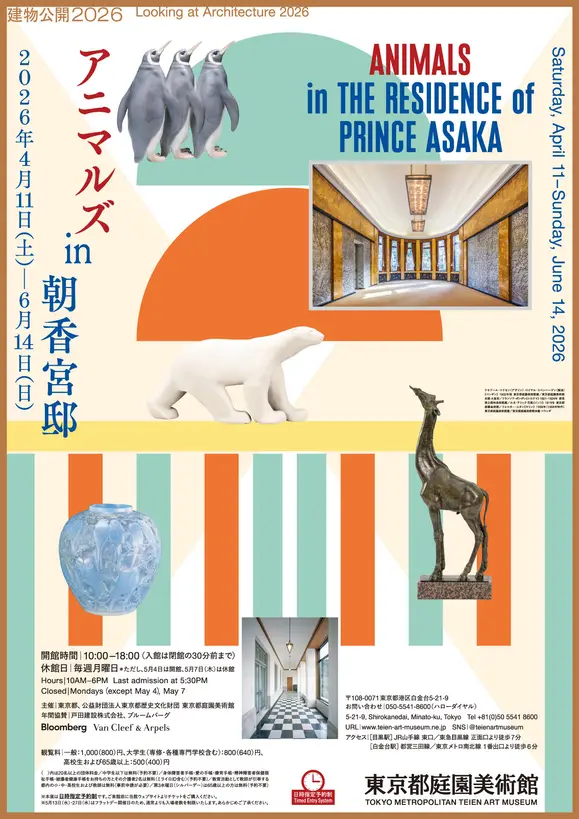
【Tokyo】 Looking at Architecture 2026: Animals in the Residence of Prince Asaka (Tokyo Metropolitan Teien Art Museum)
The former residence of Prince Asaka has always been one of Tokyo’s most enchanting museum buildings, and this exhibition draws out one of its most charming threads - animals. From creatures once kept in the garden by Prince Asaka and Princess Nobuko to animal motifs embedded in the mansion’s Art Deco interiors, the show reintroduces the building as a place where architecture, decoration, and living beings interact.
Venue: Tokyo Metropolitan Teien Art Museum
Schedule: April 11 - June 14

【Tokyo】 MARTIN MARGIELA AT KUDAN HOUSE (Kudan House)
Martin Margiela’s first large-scale exhibition in Japan is set inside Kudan House, a historic residence whose atmosphere makes an ideal setting for his long-running interest in memory, absence, transformation, and the afterlives of objects. The project appears to let the house itself become part of the work, filled with installations, images, and artworks curated by Margiela.
Venue: Kudan House
Schedule: April 11 - April 29

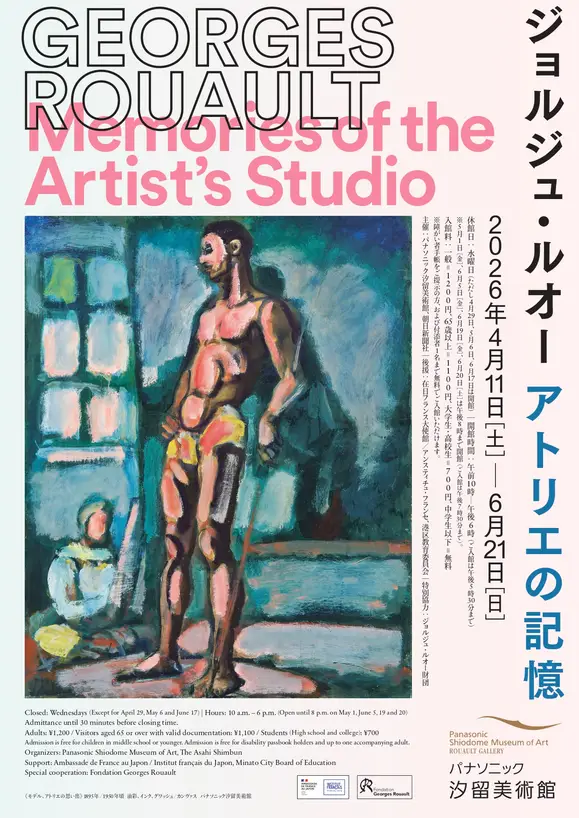
【Tokyo】 Georges Rouault: Memories of the Artist’s Studio (Panasonic Shiodome Museum of Art)
Rather than approaching Georges Rouault only through finished canvases, this exhibition centers on the studio as the place where vision, labor, and material came together. Drawing from the museum’s holdings, it looks across Rouault’s career while also presenting a reconstruction of his final studio using actual tools and furnishings.
Venue: Panasonic Shiodome Museum of Art
Schedule: April 11- June 21
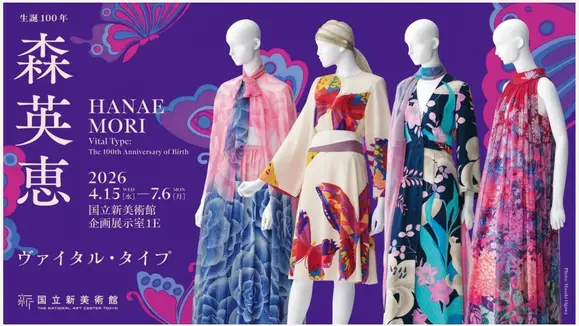
【Tokyo】 Hanae Mori Vital Type: The 100th Anniversary of Birth (The National Art Center, Tokyo)
Hanae Mori was not just a celebrated designer. She was also one of the figures who gave Japanese fashion a remarkable international presence. Marking the centenary of her birth, this exhibition revisits Hanae Mori's achievements through the lens of design, elegance, and ambition, while also acknowledging her significance as a public model of creative independence for women in postwar Japan.
Venue: The National Art Center, Tokyo
Schedule: April 15 - July 6
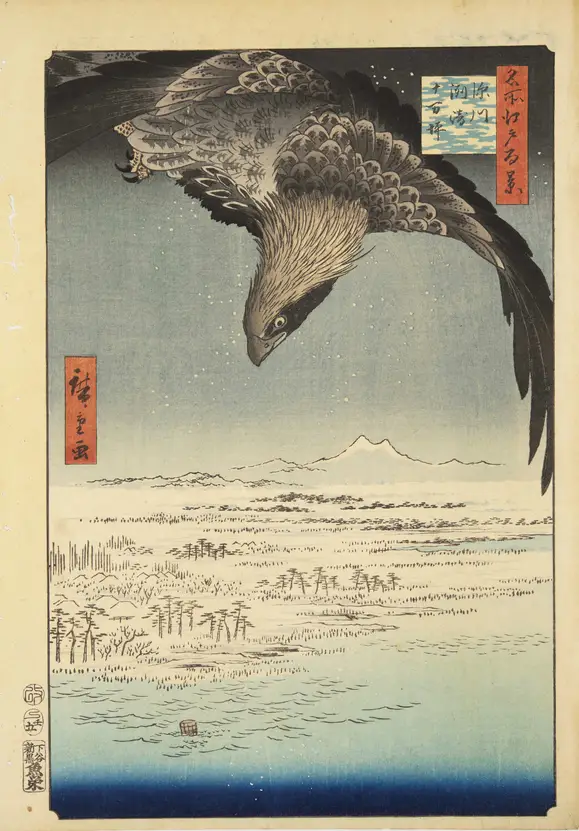
【Tokyo】 Utagawa Hiroshige “One Hundred Famous Views of Edo” - His Final Challenge (Ota Memorial Museum of Art)
Hiroshige’s One Hundred Famous Views of Edo remains one of the great achievements of ukiyo-e, and this exhibition focuses on the series as a late-career experiment rather than just a beloved classic. Its daring perspectives and alertness to everyday urban life make these prints feel unexpectedly modern even now.
Venue: Ota Memorial Museum of Art
Schedule: April 15 - June 14
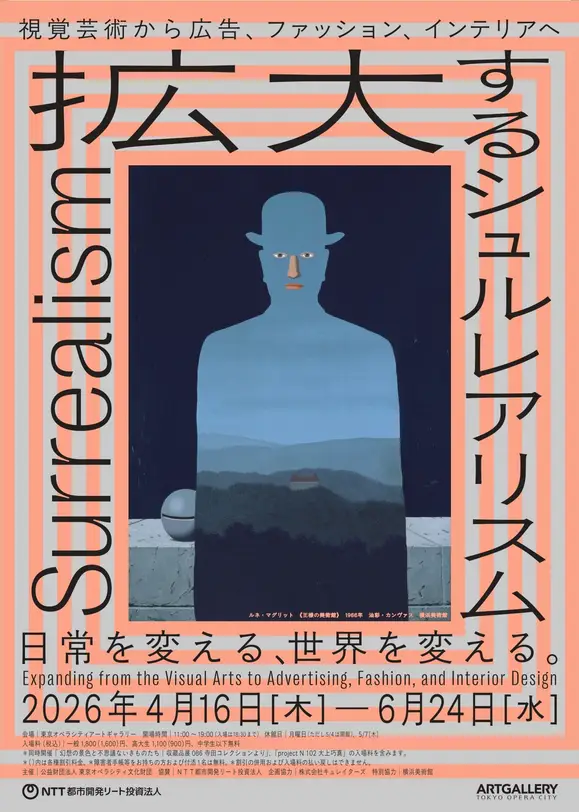
【Tokyo】 Surrealism: Expanding from the Visual Arts to Advertising, Fashion, and Interior Design (Tokyo Opera City Art Gallery)
Surrealism is often treated as a chapter in painting and avant-garde art history, but its visual logic spilled far beyond the gallery. This exhibition traces how surrealist ideas entered magazines, advertising, fashion, and interior design, revealing it as a force that influenced the modern life.
Venue: Tokyo Opera City Art Gallery
Schedule: April 16 - June 24
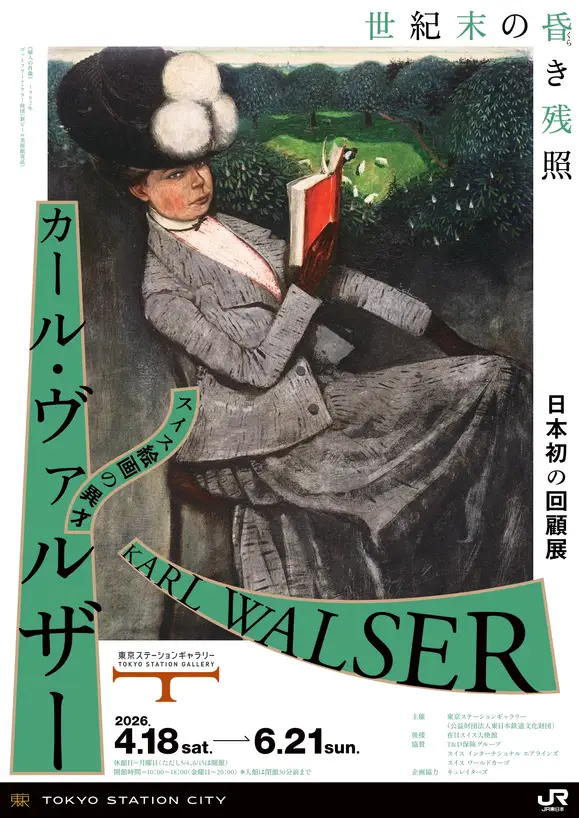
【Tokyo】 Swiss Painter Karl Walser — Dark Afterglow of the Fin de Siècle (Tokyo Station Gallery)
This first major Karl Walser retrospective in Japan brings together around 150 works spanning painting, illustration, and costume design. It also included the works connected to Walser’s 1908 visit to Japan, when he traveled with novelist Bernhard Kellermann and depicted scenes in Tokyo and Miyazu. That biographical thread gives the exhibition an added resonance in Japan, while the broader survey should shed light on a figure still less familiar here than many of his contemporaries.
Venue: Tokyo Station Gallery
Schedule: April 18 - June 21
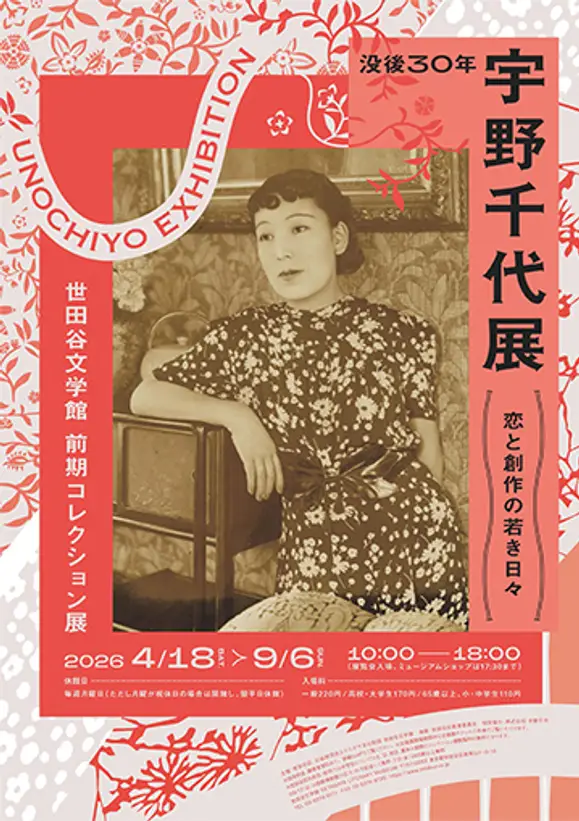
【Tokyo】 Collection Exhibition: 30 Years After the Death of Chiyo Uno (Setagaya Literary Museum)
Chiyo Uno remains one of those cultural figures whose influence exceeds any single field. Novelist, designer, tastemaker, and icon of female independence, she helped shape ideas of style and modern womanhood in prewar and postwar Japan. This exhibition revisits her legacy through literature, design, and everyday culture, making the case that her impact was not only artistic but social.
Venue: Setagaya Literary Museum
Schedule: April 18 - March 28
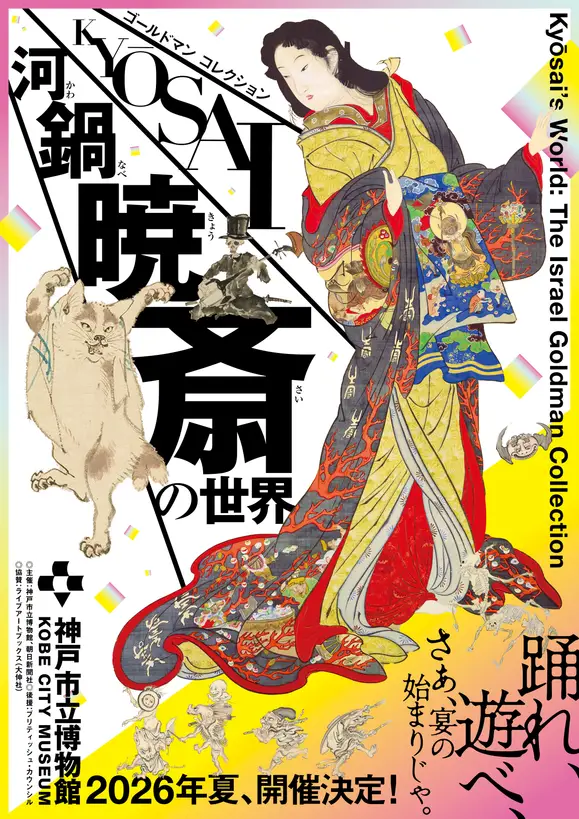
【Tokyo】 Kyosai's World: The Israel Goldman Collection (Suntory Museum of Art)
Kawanabe Kyosai’s work can move in an instant from technical brilliance to comic irreverence, from religious imagery to ghosts, goblins, and gleefully unruly animals. Based on the Israel Goldman Collection, this exhibition introduces paintings and prints that showcase precisely that range, including many works being shown in Japan for the first time.
Venue: Suntory Museum of Art
Schedule: April 22 - June 21
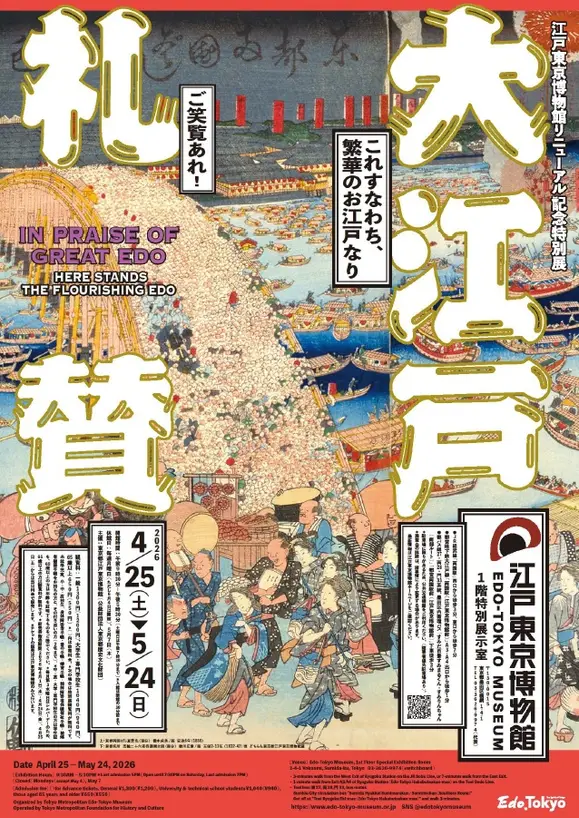
【Tokyo】 Special Exhibition “In Praise of Great Edo” (Edo-Tokyo Museum)
The long-awaited reopening of the Edo-Tokyo Museum is reason enough to celebrate, and its return begins with a large-scale exhibition on Edo as a lived city shaped by warriors, merchants, spectacle, and pleasure. For Tokyo history lovers, this will be one of the most important exhibitions of spring.
Venue: Edo-Tokyo Museum
Schedule: April 25 - May 24
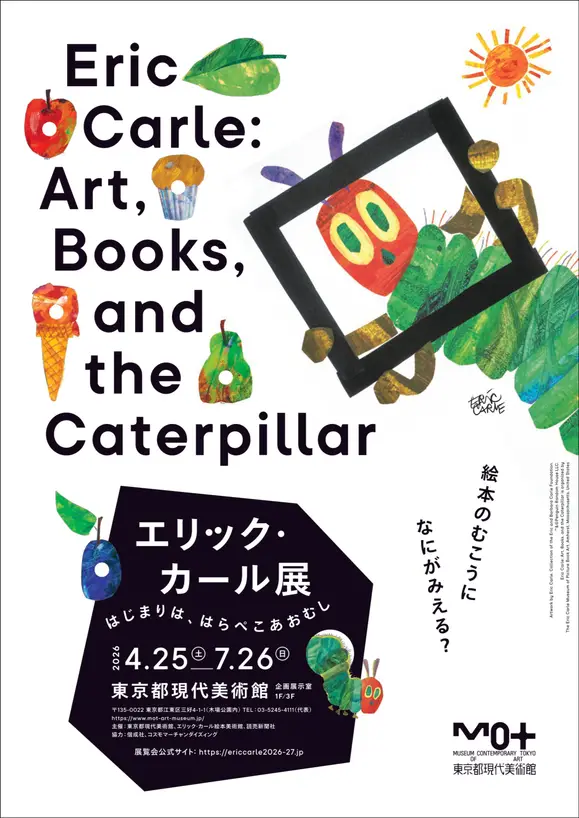
【Tokyo】 Eric Carle: Art, Books, and the Caterpillar (Museum of Contemporary Art Tokyo)
Few picture books are as universally recognizable as The Very Hungry Caterpillar, but this exhibition expands the frame beyond nostalgia. Bringing together illustrations, collages, artworks, and printed materials, it introduces Eric Carle as a maker whose visual world was both playful and formally sophisticated. Expect plenty of childhood recognition, but also a chance to reconsider how bookmaking, design, and art come together in his work.
Venue: Museum of Contemporary Art Tokyo
Schedule: April 25 - July 26
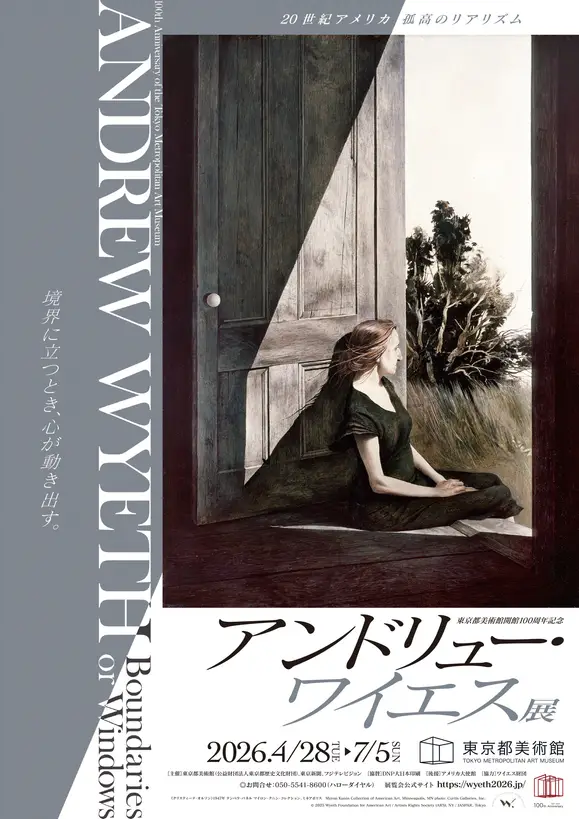
【Tokyo】 100th Anniversary of the Tokyo Metropolitan Art Museum Andrew Wyeth Boundaries or Windows (Tokyo Metropolitan Art Museum)
Andrew Wyeth’s paintings are often described as quiet, but the best of them are also unsettling and full of thresholds, distances, and absences. Opening as part of the Tokyo Metropolitan Art Museum’s centennial year, this exhibition offers a timely reintroduction to an artist whose realism was always charged with psychological tension.
Venue: Tokyo Metropolitan Art Museum
Schedule: April 28 - July 5
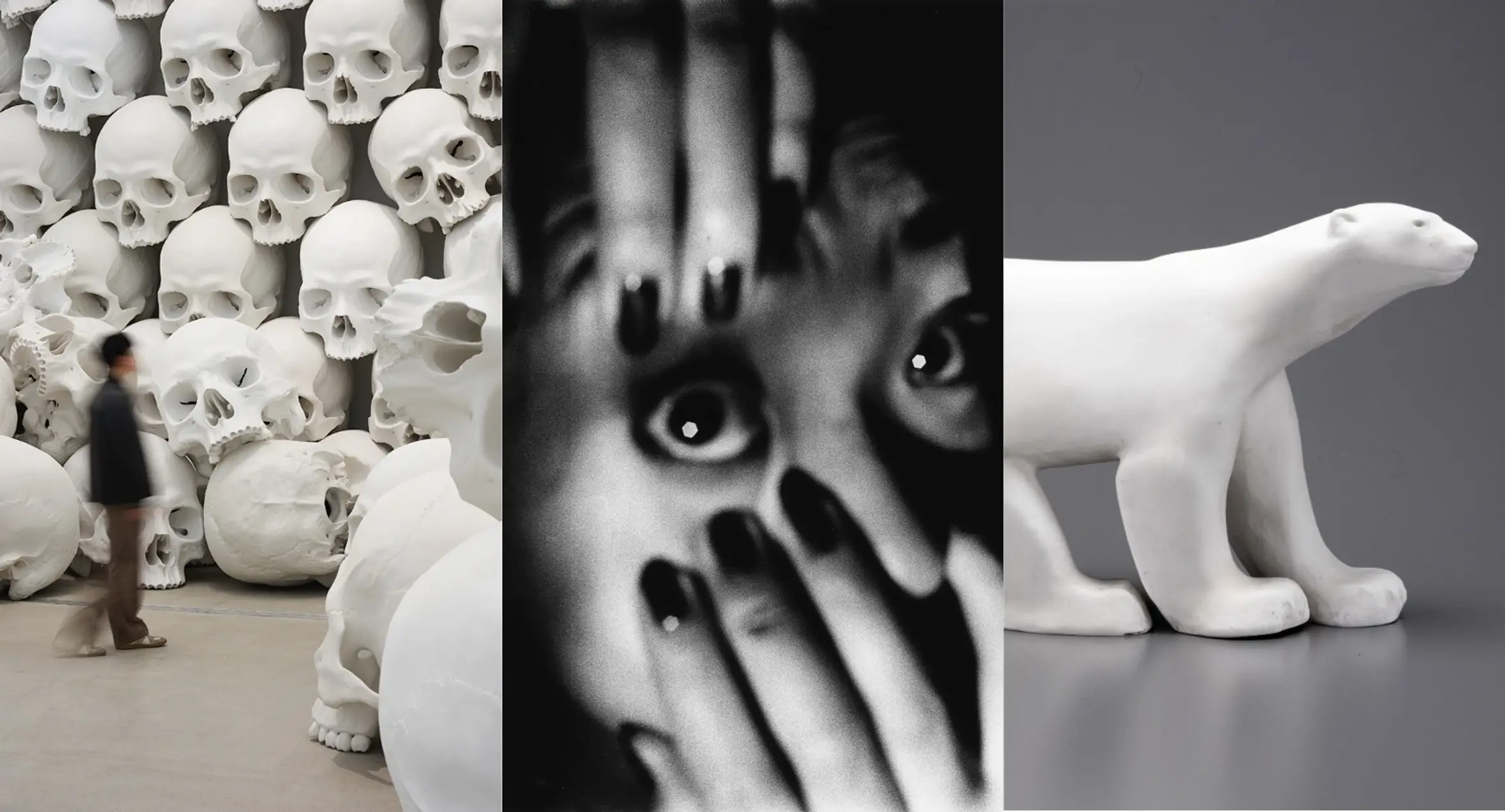
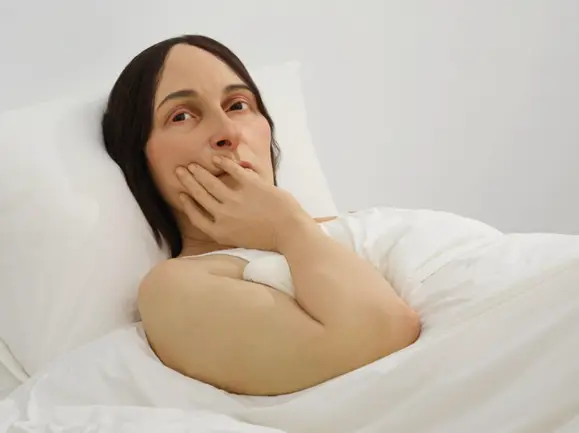
【Tokyo】 Ron Mueck (Mori Art Museum)
Ron Mueck’s sculptures are famous for their almost unbearable realism, yet what makes them so powerful is not realism alone. By altering the size of the human body, he creates a sharp sense of estrangement. Skin, hair, flesh, and weight all appear convincing, but the scale throws everything off balance. Having traveled through Paris, Milan, and Seoul before arriving in Tokyo, this major exhibition offers a rare opportunity to encounter the eerie intensity of his work in depth.
Venue: Mori Art Museum
Schedule: April 29 - September 23
◎Japan
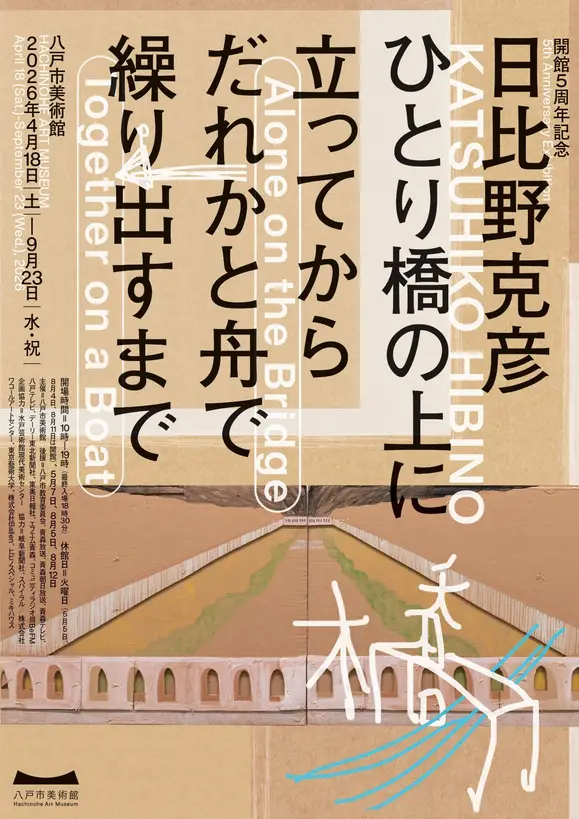
【Aomori】 Katsuhiko Hibino: Alone on the Bridge, Together on a Boat (Hachinohe Art Museum)
This large-scale exhibition traces Katsuhiko Hibino’s practice from its formative years to his more expansive activities since the 2000s. It broadens the focus from completed objects to ways of making, behaving, and engaging with others. That wider lens makes it an especially rich introduction to an artist whose practice has long extended beyond conventional studio production.
Venue: Hachinohe Art Museum
Schedule: April 18 - September 23
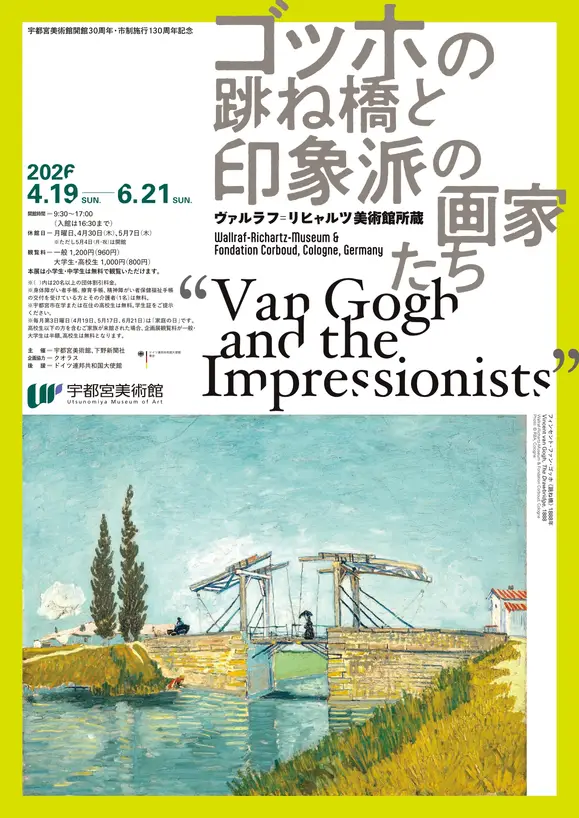
【Tochigi】 Van Gogh and the Impressionists from the Wallraf-Richartz Museum (Utsunomiya Museum of Art)
Van Gogh may be the name that draws people in, but this exhibition looks promising because it places him within a wide current of French modern painting. Using impressionism as a backbone, it opens up a larger story about artistic change, historical atmosphere, and the appeal of late 19th-century European art.
Venue: Utsunomiya Museum of Art
Schedule: April 19 - June 21
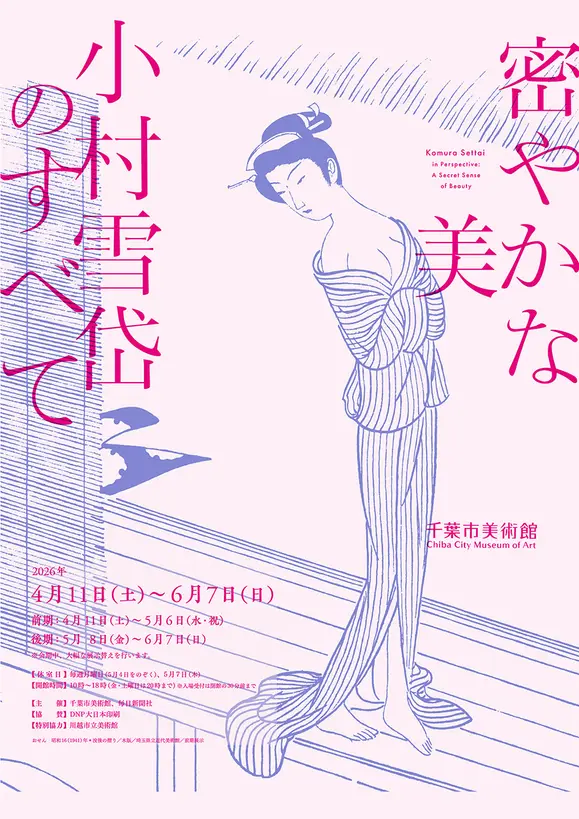
【Chiba】 Komura Settai in Perspective: A Secret Sense of Beauty (Chiba City Museum of Art)
Komura Settai’s art has a special kind of restraint - elegant, quiet, and yet charged with tension. This retrospective examines the full spectrum of his achievement across book design, illustration, nihonga, and stage design.
Venue: Chiba City Museum of Art
Schedule: April 11 - June 7
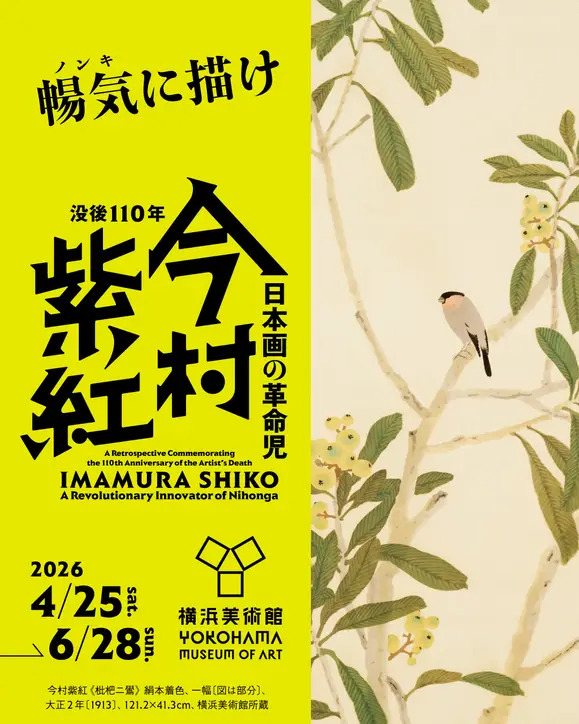
【Kanagawa】 Imamura Shikō: A Revolutionary Innovator of Nihonga (Yokohama Museum of Art)
Absorbing elements of Rimpa, nanga, and Western painting, Imamura Shiko brought a long-awaited creativity to nihonga in the late Meiji and early Taisho years. His life was short, but his challenge was decisive. This retrospective is a rare chance to embrace his restless energy and see how he pushed Japanese painting toward renewal.
Venue: Yokohama Museum of Art
Schedule: April 25 - June 28
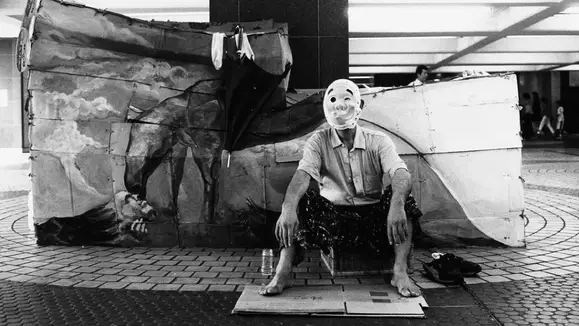
【Ishikawa】 Rojo: Shared Ground - Am I in Your Way? (21st Century Museum of Contemporary Art, Kanazawa)
Who does the street belong to? This exhibition rethinks public, freedom, and the basics of shared urban space. Moving between practices and critiques of the city, it also approaches the street as a third space.
Venue: 21st Century Museum of Contemporary Art, Kanazawa
Schedule: April 25 - September 6
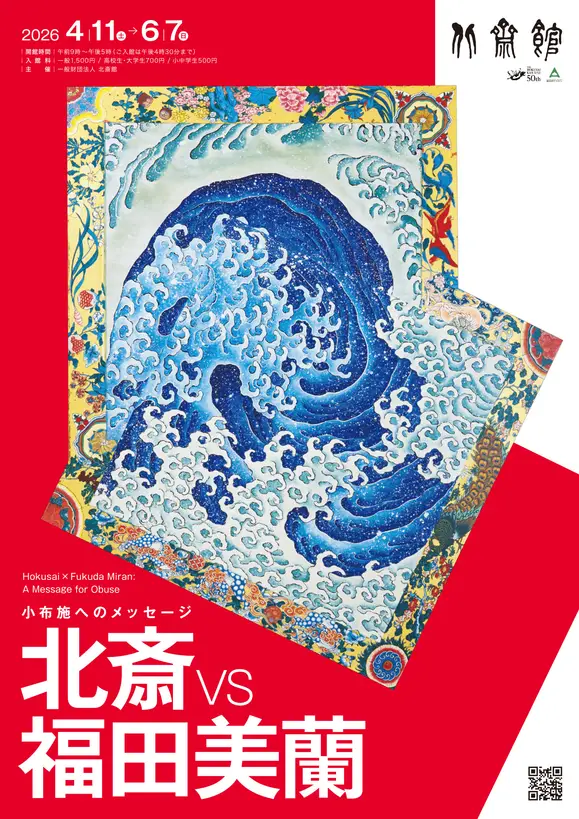
【Nagano】 Hokusai x Fukuda Miran: A Message for Obuse (The Hokusai Museum)
This exhibition sets up a lively dialogue across time. Using the works from the Hokusai Museum as a departure point, Fukuda Miran responds with intelligence and humor, refreshing how the classics are seen rather than just paying homage to them. This is an especially sharp example of how historical works can be reconsidered in the present.
Venue: Hokusai Museum
Schedule: April 11 - June 7
【Aichi】 Hitsuda Nobuya: Scenes Passed By (Toyota Municipal Museum of Art)
Gathering around 120 works from the 1960s to the present, this is the largest retrospective to date of Hitsuda Nobuya. Best known as a painter of landscapes, Hitsuda has never treated landscape as mere record or reproduction. Instead, he questions the true nature of landscape painting and the inner power it holds.
Venue: Toyota Municipal Museum of Art
Schedule: April 4 - June 21
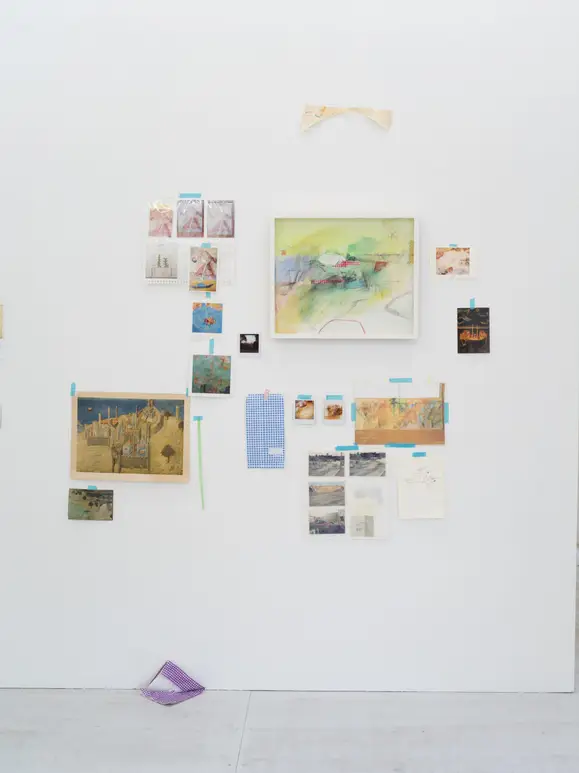
【Kyoto】 KYOTOGRAPHIE 2026 (Hachiku-an [Former Kawasaki Residence])
One of Japan’s most influential photography festivals returns with the 2026 theme “EDGE.” At a moment marked by environmental, political, and personal instability, the festival asks what kinds of perspectives emerge from standing at an edge. As always, one of KYOTOGRAPHIE’s greatest pleasures is that it unfolds across the city, making the moving between venues a part of the experience.
Venue: Hachiku-an (Former Kawasaki Residence)
Schedule: April 18 - May 17
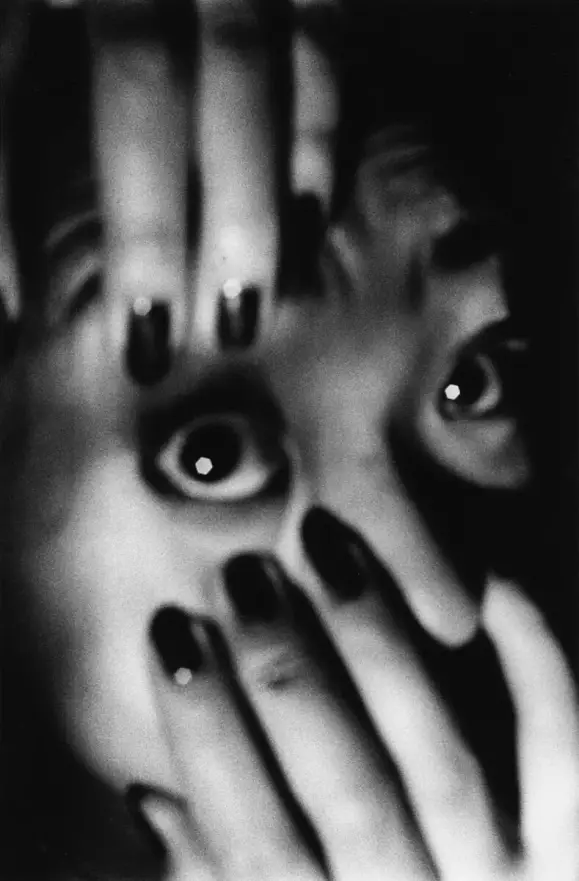
【Kyoto】 Daido Moriyama: A Retrospective (Kyoto City KYOCERA Museum of Art)
This retrospective follows Daido Moriyama’s creative journey through photo essays, Provoke, landmark photobooks such as Bye Bye Photography, and more. Few photographers have done as much to disturb the conventions of the medium while capturing the volatility of postwar urban life as Moriyama did. Definitely a rare chance to grasp the scale and force of that achievement in one place.
Venue: Kyoto City Kyocera Museum of Art
Schedule: April 18 - May 17
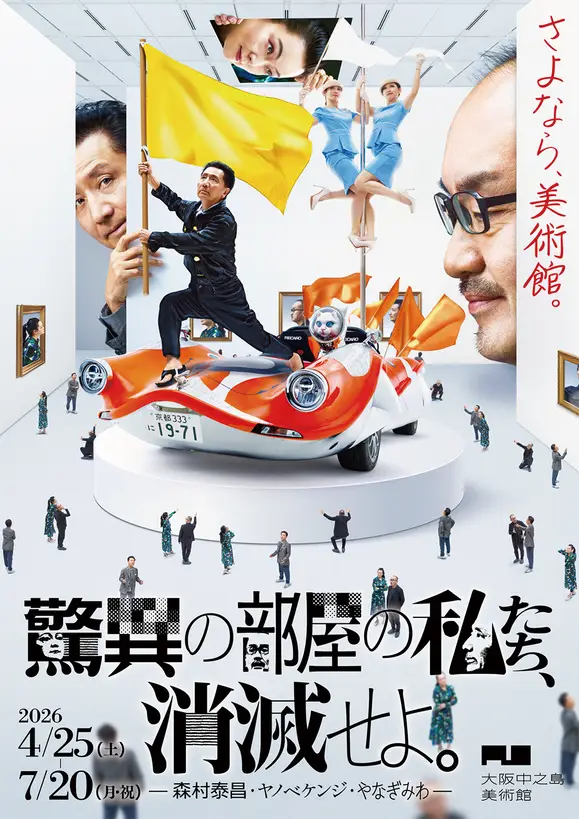
【Osaka】 Cabinet of Curiosities— Disappearance (Nakanoshima Museum of Art, Osaka)
Bringing together three artists whose presence has been vital to Kansai contemporary art, this exhibition will be theatrical, excessive, and conceptually rich in the best way. Yasumasa Morimura, Kenji Yanobe and Miwa Yanagi confront history, body, fantasy, and catastrophe differently, and the tension between those approaches will make the show especially compelling.
Venue: Nakanoshima Museum of Art, Osaka
Schedule: April 25 - July 20
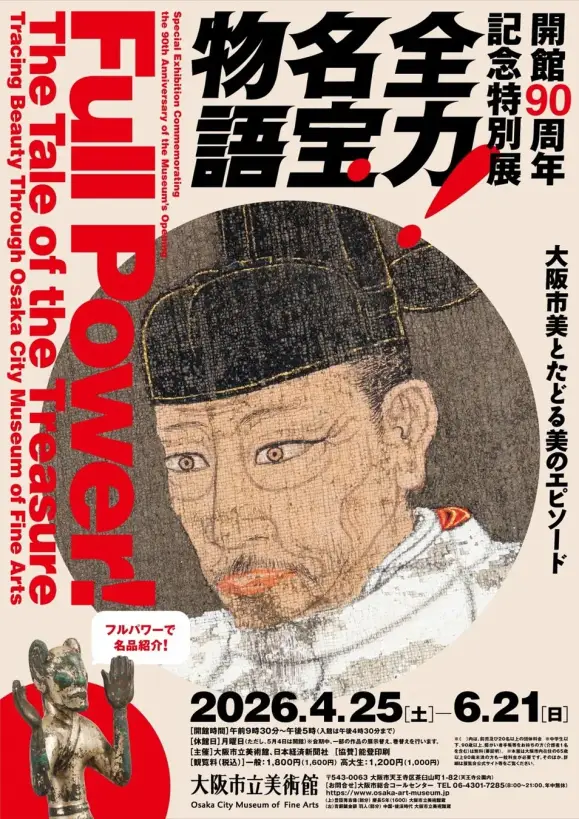
【Osaka】 Full Power! The Tale of the Treasure: Tracing Beauty Through Osaka City Museum of Fine Arts (Osaka City Museum of Fine Arts)
Following its major renovation, the Osaka City Museum of Fine Arts reopens with an impressive exhibition. By framing the collection through stories and episodes, it questions how artworks carry traces of people, time, and institutional history. It is exactly the kind of show that matters not only for what is displayed, but for what it says about a museum’s renewed identity.
Venue: Osaka City Museum of Fine Arts
Schedule: April 25 - June 21
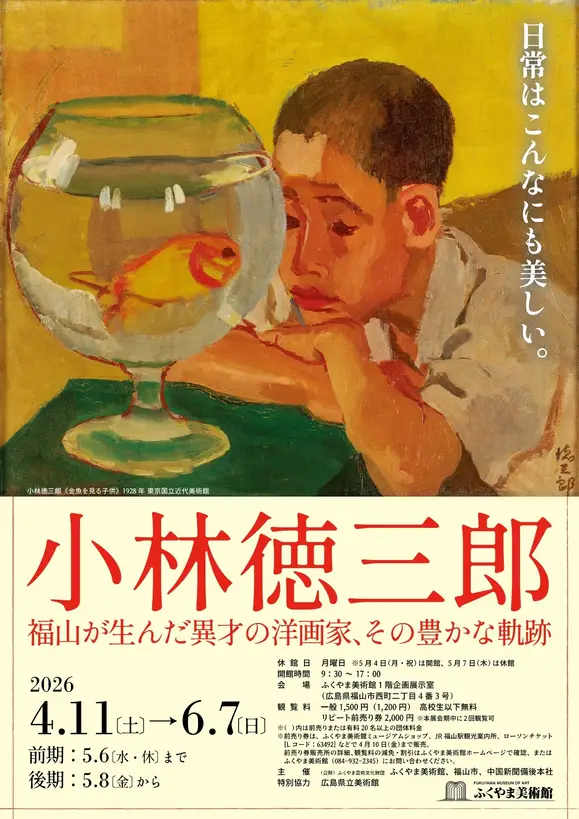
【Hiroshima】 Tokusaburo Kobayashi: The Extraordinary Painter from Fukuyama (Fukuyama Museum of Art)
With more than 300 works and archival materials, this exhibition becomes the first major survey of Tokusaburo Kobayashi’s career. His warm depictions of fish, children, and landscapes have an immediate accessibility, but the exhibition also points to his broader connections with contemporaneous avant-garde circles and stage design.
Venue: Fukuyama Museum of Art
Schedule: April 11 - June 7
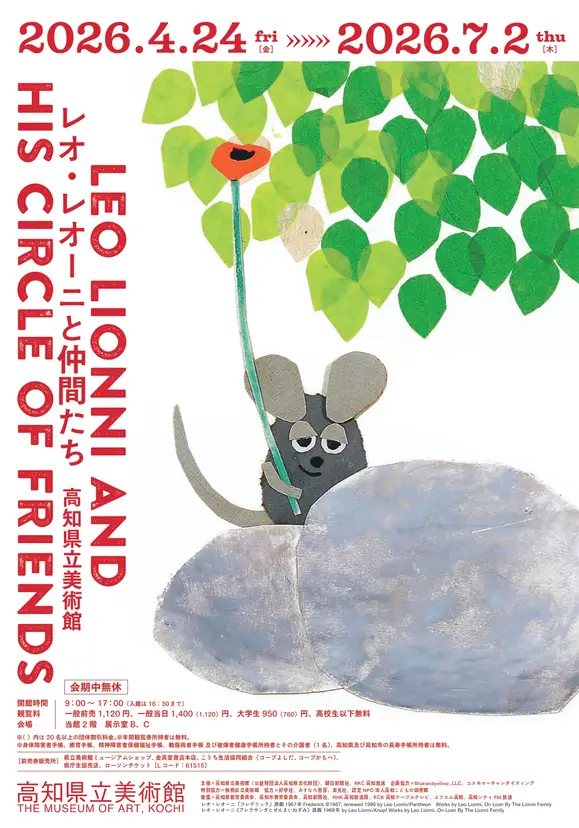
【Kochi】 Leo Lionni and His Circle of Friends (The Museum of Art, Kochi)
Beloved worldwide as a picture-book author, Leo Lionni is reconsidered here as a creator moving across painting, design, publishing, and visual culture more broadly. This exhibition expands the story beyond individual genius to a larger 20th-century cultural conversation.
Venue: The Museum of Art, Kochi
Schedule: April 24 - July 2
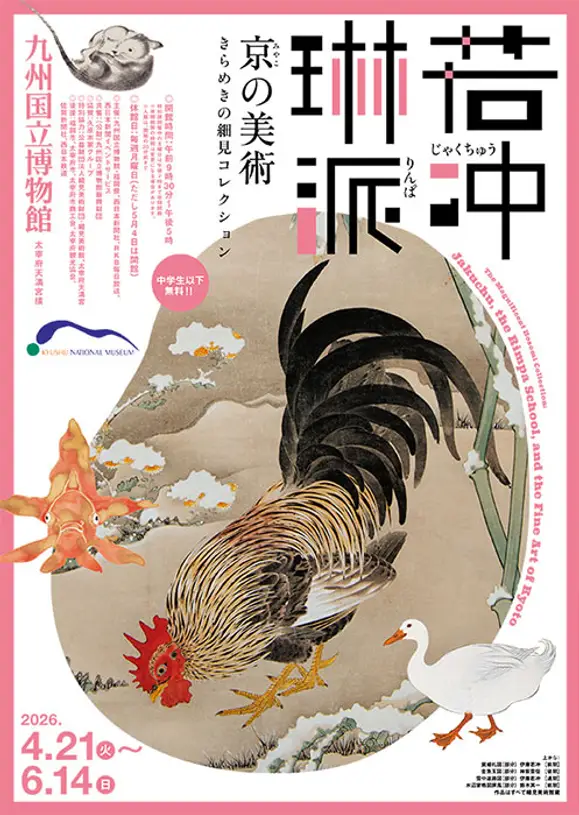
【Fukuoka】 The Magnificent Hosomi Collection: Jakuchu, the Rimpa School, and the Fine Art of Kyoto (Kyushu National Museum)
Drawn from a collection built over roughly 80 years by three generations of the Hosomi family, this exhibition moves through the brilliance of Kyoto art via Jakuchu, Sakai Hoitsu, Suzuki Kiitsu, Buddhist craft, tea utensils, and more.
Venue: Kyushu National Museum
Schedule: April 21 - June 14
【Fukuoka】 Mr. Solo Exhibition: We’ll Meet Again Someday on a Bright Day (Fukuoka Asian Art Museum)
This first large-scale exhibition in Japan devoted to Mr. brings together more than 80 works across paintings, monumental sculpture, video, and installation. His imagery draws heavily on anime, manga, games, and otaku culture, however, beneath the pop surface lies loneliness, fragility, and a distinctly contemporary unease.
Venue: Fukuoka Asian Art Museum
Schedule: April 24 - June 21
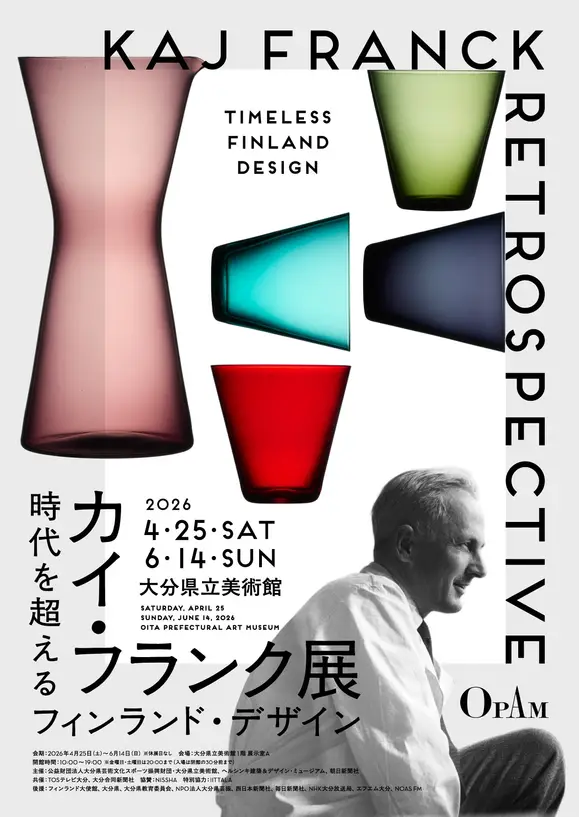
【Oita】 Kaj Franck Retrospective: Timeless Finland Design (Oita Prefectural Art Museum)
Often described as the pure essense of the Finnish design, Kaj Franck pursued beauty through clarity, utility, and restraint rather than ornament. This retrospective revisits that philosophy through iconic products such as Kartio, Kilta, and Teema, while also using sketches and documentary materials to flesh out the broader worldview behind them.
Venue: Oita Prefectural Art Museum
Schedule: April 25 - June 14