Best Exhibitions Starting in January 2026
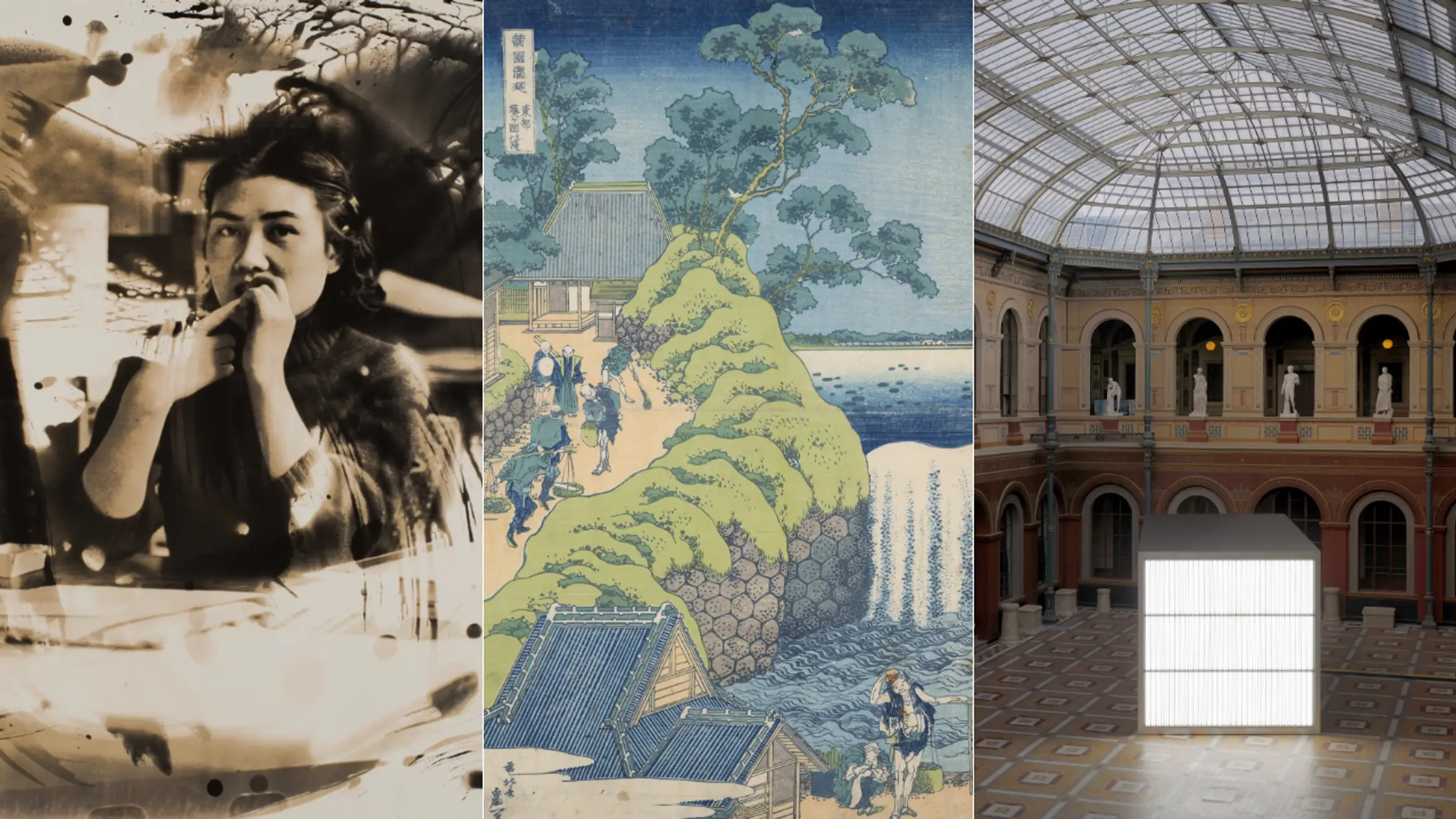


Tokyo Art Beat presents a selection of the best exhibitions opening in January 2026. Bookmark the exhibitions on the TAB website or TAB app and never miss the openings and closings.
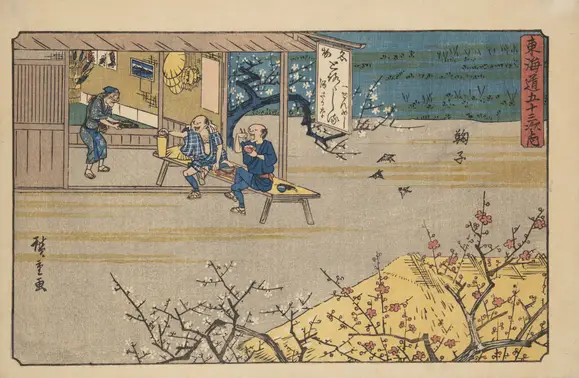
【Tokyo】Ukiyo-e Ojisan Festival (Ota Memorial Museum of Art)
This exhibition turns the spotlight on the nameless "ojisan" populating ukiyo-e landscape prints. Far from mere background figures, these travelers, workers, and food-lovers reveal rich personalities and endearing charm upon closer inspection. Featuring over 150 works by Hiroshige Utagawa and other master printmakers, the show offers fresh perspectives on the expressive details often overlooked in ukiyo-e.
Venue: Ota Memorial Museum of Art
Schedule: January 6 – March 1

 0Posts
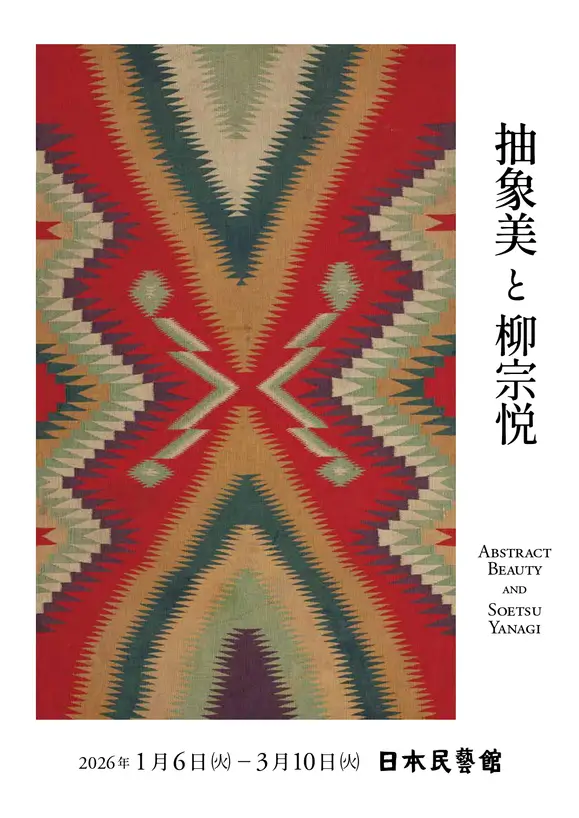
【Tokyo】Abstract Beauty and Soetsu Yanagi (Japan Folk-Craft Museum)
In the 1950s, abstract art was capturing significant attention in Japan's art world—the "Abstract and Illusion" exhibition at the National Museum of Modern Art, Tokyo, being a prime example. Soetsu Yanagi responded to this moment with "On the Beauty of Abstract" (1957), an essay for the magazine Kokoro exploring what he called "old yet new abstract beauty." The piece later developed into a special feature on abstract patterns in Mingei magazine, richly illustrated with examples. This exhibition brings together the craft objects featured in that issue, offering a window into abstract beauty as seen through Yanagi's distinctive aesthetics.
Venue: Japan Folk-Craft Museum
Schedule: January 6 – March 10

【Tokyo】Shinjuku: the City of Modern Art (Sompo Museum of Art)
Celebrating its 50th anniversary since opening in July 1976, the Sompo Museum of Art presents an exhibition dedicated to Shinjuku. From the late Meiji era, progressive artists gathered in the district, drawing others to follow and establishing it as a major hub for modern art. This inaugural attempt by a Shinjuku museum traces nearly half a century of artists connected to the area.
Venue: Sompo Museum of Art
Schedule: January 10 – February 15

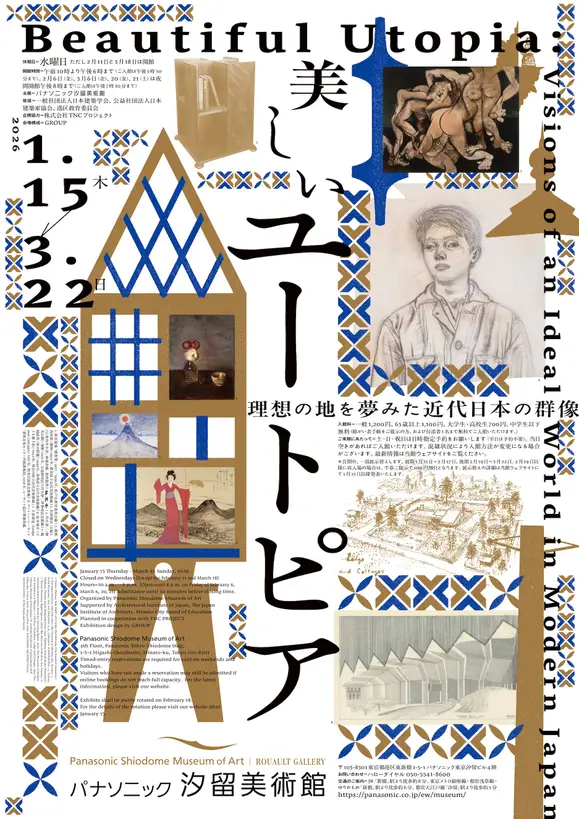
【Tokyo】Beautiful Utopia: Visions of an Ideal World in Modern Japan (Panasonic Shiodome Museum of Art)
This exhibition revisits the history of daily life through the lens of "utopia," tracing the various movements that dared to dream of a better future. Centering on art, decorative crafts, and architectural design, the show seeks out "beautiful utopias" embedded in everyday living. But it does more than survey the past—it looks to these visions as guideposts for what lies ahead. By examining how twentieth-century Japan imagined a more beautiful way of life, the exhibition invites us to reflect on those aspirations and consider how we might envision utopias of our own.
Venue: Panasonic Shiodome Museum of Art
Schedule: January 15 – March 22
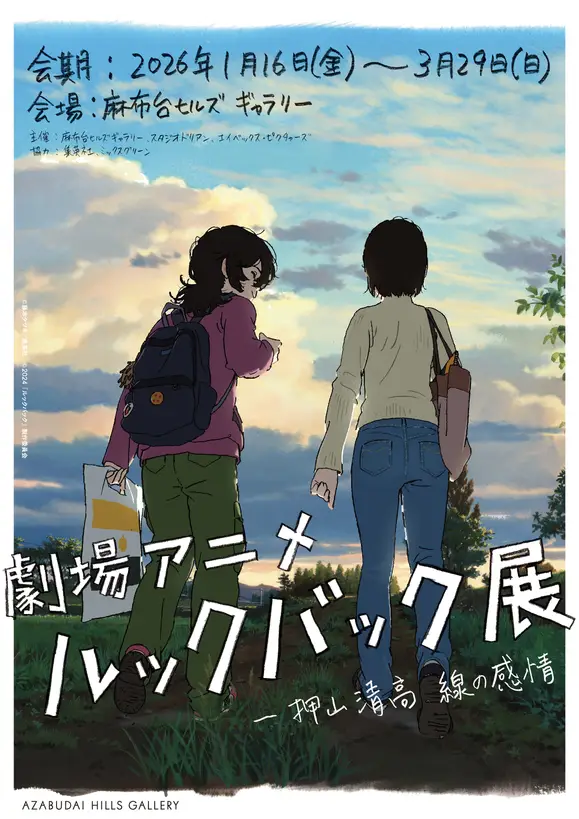
【Tokyo】Theatrical Anime Look Back Exhibition— Kiyotaka Oshiyama: Emotions in Line (Azabudai Hills Gallery)
The theatrical anime Look Back became a global hit, bringing Fujimoto Tatsuki's 2021 one-shot manga to the screen. Director Kiyotaka Oshiyama, who adapted the work by the creator of Chainsaw Man, joins this exhibition as a key participant. Through production materials, the show traces how the original manga was transformed into animation, revealing the painstaking attention to detail that brought its world to cinematic life.
Venue: Azabudai Hills Gallery
Schedule: January 16 – March 29
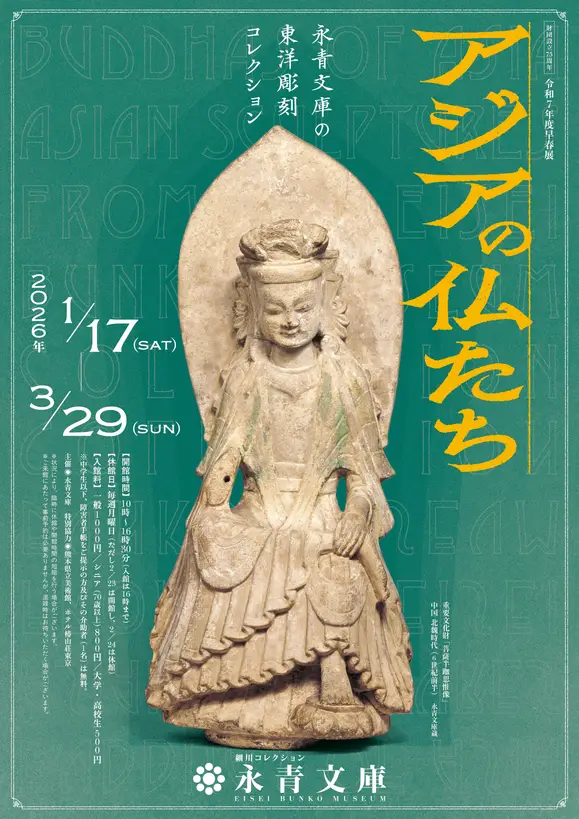
【Tokyo】Buddhas of Asiaー Asian Sculptures from the Eisei Bunko Museum Collection (Eisei-Bunko Museum)
Moritatsu Hosokawa, founder of Eisei Bunko Museum, developed an early familiarity with Chinese classics and began broadly collecting East Asian art following his travels to Europe. His collection extends beyond Chinese archaeology and ceramics to include Chinese stone and gilt-bronze Buddhist sculptures, as well as works from India and Southeast Asia. This exhibition presents Chinese sculptures, alongside a diverse array of Indian sculptures shown for the first time in seven years.
Venue: Eisei-Bunko Museum
Schedule: January 17 – March 29
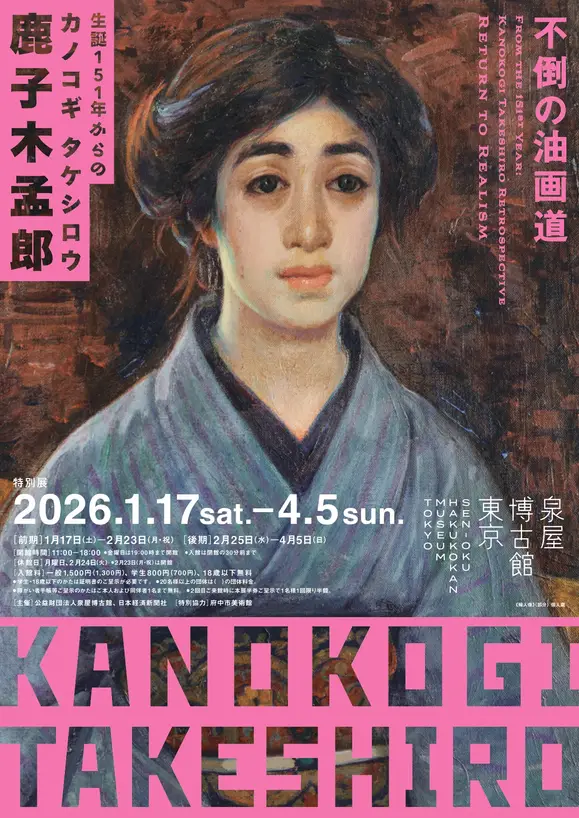
【Tokyo】From the 151st Year: Kanokogi Takeshiro Retrospective Return to Realism (Sen-Oku Hakukokan Museum Tokyo)
This special exhibition marks the 151st anniversary of Takeshiro Kanokogi's birth, tracing the career of the artist who brought authentic realism to modern Japanese Western-style painting. The show presents works from his teens through his European period and post-return activities, examining the development and legacy of realism in Japanese oil painting.
Venue: Sen-Oku Hakukokan Museum Tokyo
Schedule: January 17 – April 5
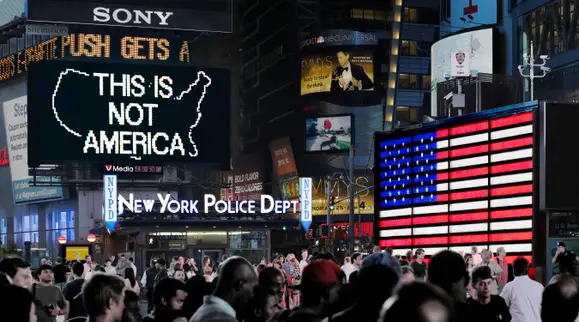
【Tokyo】Alfredo Jaar l You and Me and the Others (Tokyo Opera City Art Gallery)
Alfredo Jaar was born in Santiago, Chile in 1956 and studied architecture and filmmaking before relocating to New York in 1982, where he has since built an international career. He became the first Latin American artist invited to both the Venice Biennale (1986) and documenta (1987), and is known for works grounded in meticulous research and a sensitive perspective on social inequalities and geopolitical events. This exhibition brings together large-scale work commissioned for his Hiroshima Art Prize exhibition, representative pieces from his early career in the 1970s, and a new work created specifically for this occasion.
Venue: Tokyo Opera City Art Gallery
Schedule: January 21 – March 29
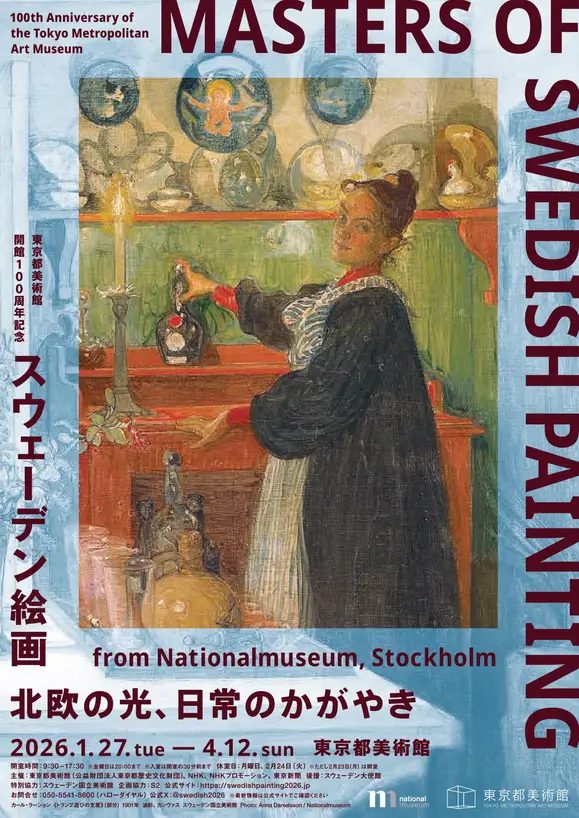
【Tokyo】Masters of Swedish Painting from Nationalmuseum, Stockholm (Tokyo Metropolitan Art Museum)
This exhibition offers a comprehensive introduction to paintings from the golden age of Swedish art. With full cooperation from the Nationalmuseum, the show presents works created in Sweden from the late nineteenth to early twentieth century, exploring a distinctly Nordic sensibility shaped by living harmoniously with nature.
Venue: Tokyo Metropolitan Art Museum
Schedule: January 27 – April 12
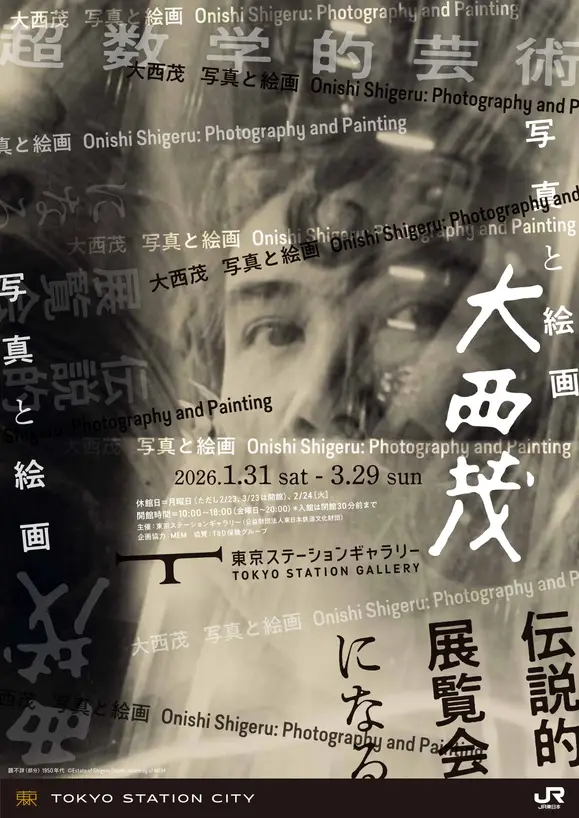
【Tokyo】Onishi Shigeru: Photography and Painting (Tokyo Station Gallery)
Shigeru Onishi stands as an exceptional figure in postwar Japanese art, moving fluidly between mathematical research and artistic creation, photography and painting. His first retrospective introduces photographs employing multiple exposure and solarization, monumental paintings resonating with Art Informel, and mathematical manuscripts.
Venue: Tokyo Station Gallery
Schedule: January 31 – March 29
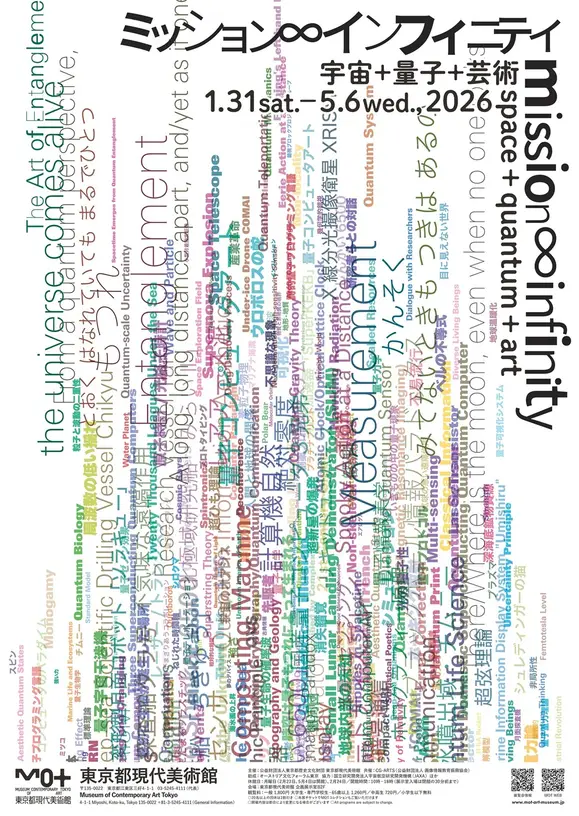
【Tokyo】Mission ∞ Infinity | Space + Quantum + Art (Museum of Contemporary Art Tokyo)
Ten years after Mission [Space × Art], this special exhibition returns to the intersection of art and science—this time encompassing both space and quantum realms—to mark the International Year of Quantum Science and Technology (2025). Alongside space research and artworks inspired by the cosmos, the show features the first artwork created using a Japanese quantum computer, opening new expressive possibilities in a domain where time and space behave in mysterious ways.
Venue: Museum of Contemporary Art Tokyo
Schedule: January 31 – May 6
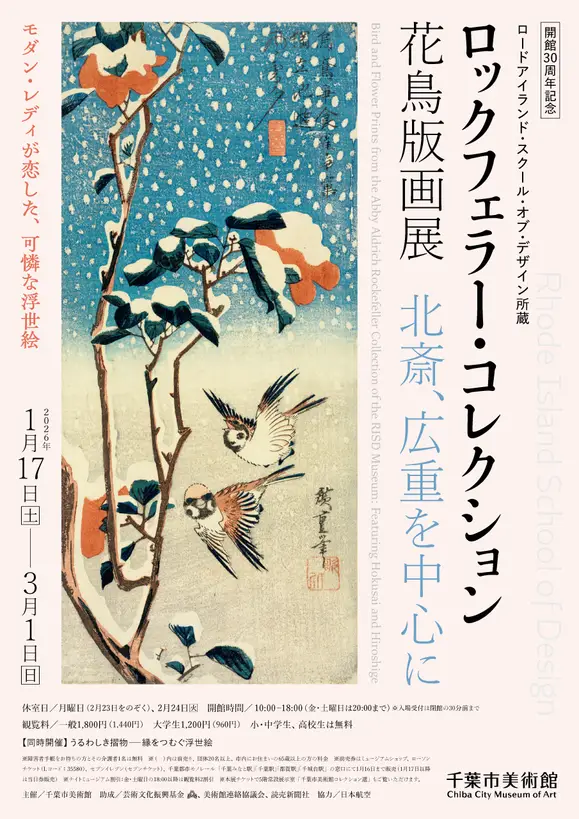
【Chiba】Bird and Flower Prints from the Abby Aldrich Rockefeller Collection of the RISD Museum: Featuring Hokusai and Hiroshige (Chiba City Museum of Art)
Rhode Island School of Design (RISD), founded in 1877 near Brown University, houses approximately 4,000 Japanese artworks—among them a distinctive collection of flower-and-bird ukiyo-e prints assembled by Abby Aldrich Rockefeller, wife of magnate John D. Rockefeller Jr. This exhibition presents 160 selected works, marking the first time these holdings have been shown in Japan since 1990. Curators from each host museum have drawn on the latest research to select works afresh, offering a rare opportunity to survey the flower-and-bird prints that emerged as an exciting new direction during the era of Hokusai and Hiroshige.
Venue: Chiba City Museum of Art
Schedule: January 17 – March 1
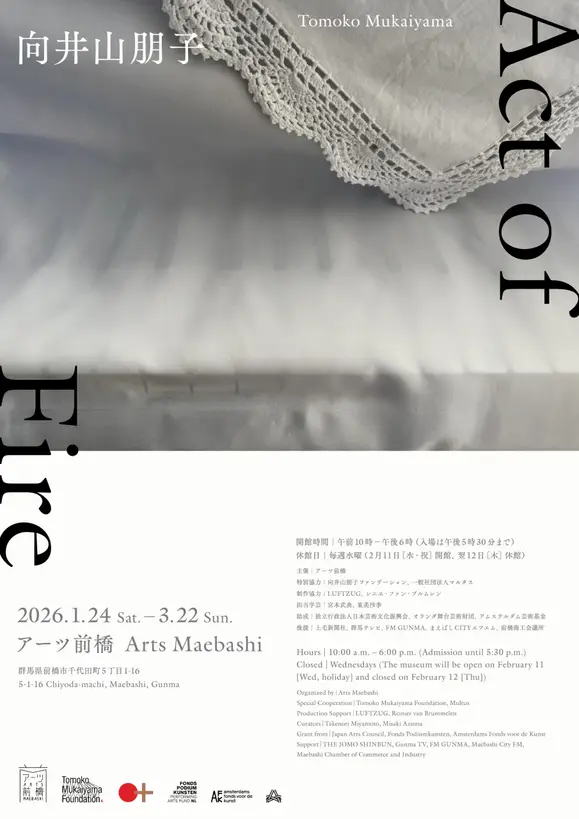
【Gunma】Tomoko Mukaiyama "Act of Fire" (Arts Maebashi)
Tomoko Mukaiyama has built a practice that moves fluidly across music, video, performance, and installation. For her first major museum solo exhibition, she transforms Arts Maebashi's six galleries into a corridor-style installation conceived as an underground theater. Works old and new are reconstructed for the space—among them, wasted (2009) and nocturne (2011). A new video poem also joins these earlier pieces. Together, they invite visitors on a contemplative journey that awakens memory and probes the relationship between self and world.
Venue: Arts Maebashi
Schedule: January 24 – March 22
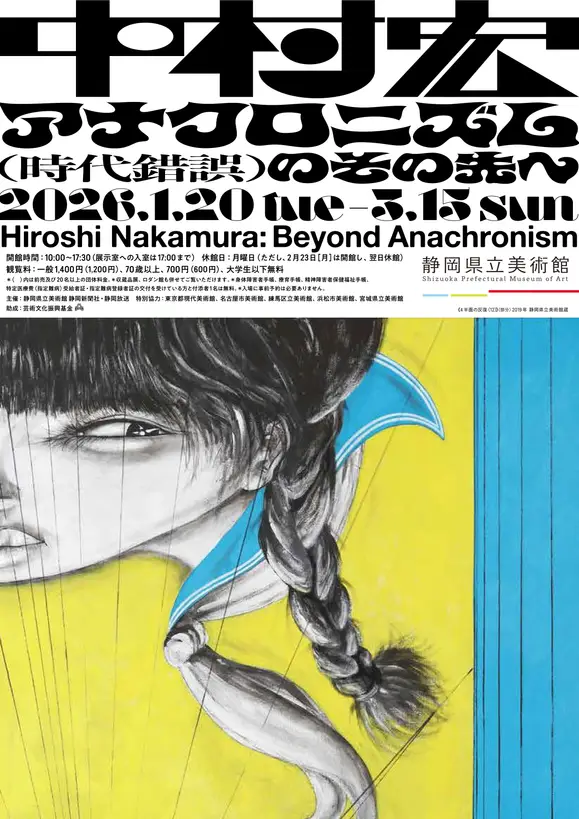
【Shizuoka】Hiroshi Nakamura: Beyond Anachronism (Shizuoka Prefectural Museum of Art)
Hiroshi Nakamura stands among the most significant figures in postwar Japanese art. Even as artistic expression has rapidly shifted and diversified over the decades, he has remained committed to painting for more than seventy years. This comprehensive retrospective surveys his "reportage paintings" from the mid-1950s through his iconic images of schoolgirls in sailor uniforms and locomotives—works that captured the zeitgeist of the 1960s and 70s—as well as his illustrations. The exhibition also examines the influence of film and manga on his practice, his exchanges with contemporary artists, and offers a reassessment of his painting from the 1970s onward.
Venue: Shizuoka Prefectural Museum of Art
Schedule: January 20 – March 15
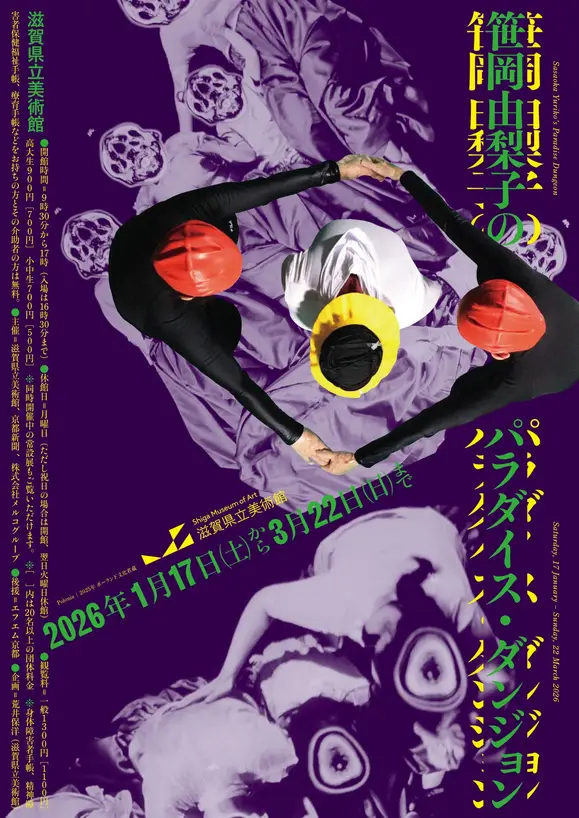
【Shiga】Sasaoka Yuriko’s Paradise Dungeon (Shiga Museum of Art)
Yuriko Sasaoka has garnered attention for her distinctive practice combining video with songs and characters. Her slightly uncanny characters—reflecting her own body—have grown increasingly prominent in recent years as she inverts the relationship between moving image and sculpture, expressing themes of love and family through candid songs. This first solo exhibition at the museum traces Sasaoka's creative world from early works through recent and new pieces.
Venue: Shiga Museum of Art
Schedule: January 17 – March 22
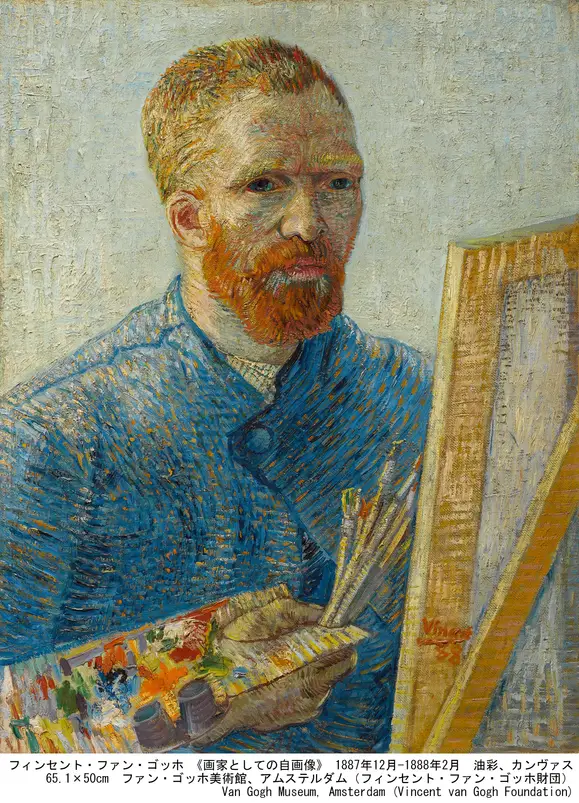
【Aichi】Van Gogh’s Home: The Van Gogh Museum. The Painter’s Legacy, the Family Collection, the Ongoing Story (Aichi Prefectural Museum of Art)
This exhibition focuses on the family collection that preserved Vincent van Gogh's works for posterity. It illuminates three figures central to safeguarding his legacy: Theo, the brother who supported Vincent's career; Theo's wife, who managed the vast collection after his death; and their son Vincent Willem, who established the Vincent van Gogh Foundation to prevent the collection's dispersal and championed the creation of the museum bearing the artist's name. Centering on works from the Van Gogh Museum in Amsterdam, the show features over thirty paintings by Vincent alongside four letters shown for the first time in Japan.
Venue: Aichi Prefectural Museum of Art
Schedule: January 3 – March 23
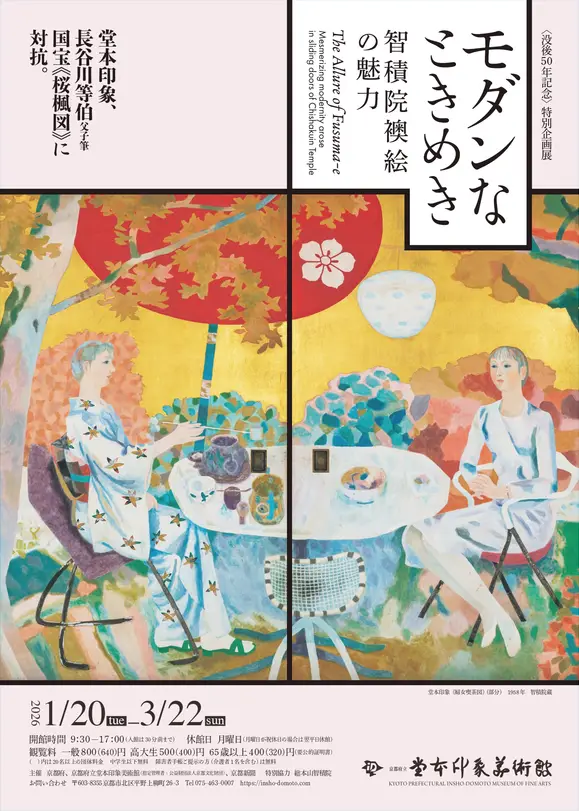
【Kyoto】50th Anniversary of His Death Special Exhibition - The Allure of Fusuma-e - Mesmerizing Modernity Arose in Sliding Doors of Chishaku-in Temple (Insho-Domoto Museum of Fine Arts)
Throughout his life, Domoto Insho created fusuma paintings for thirteen temples and shrines across Japan. This exhibition focuses on his highly acclaimed work at Chishakuin Temple. Commissioned in 1958 for the reconstruction, Insho deliberately chose a bold, contemporary approach, conscious of how religious spaces should engage with their era. His willingness to embrace new expression despite potential criticism embodies the tension between tradition and innovation, leaving an impression that resonates to this day.
Venue: Insho-Domoto Museum of Fine Arts
Schedule: January 20 – March 22
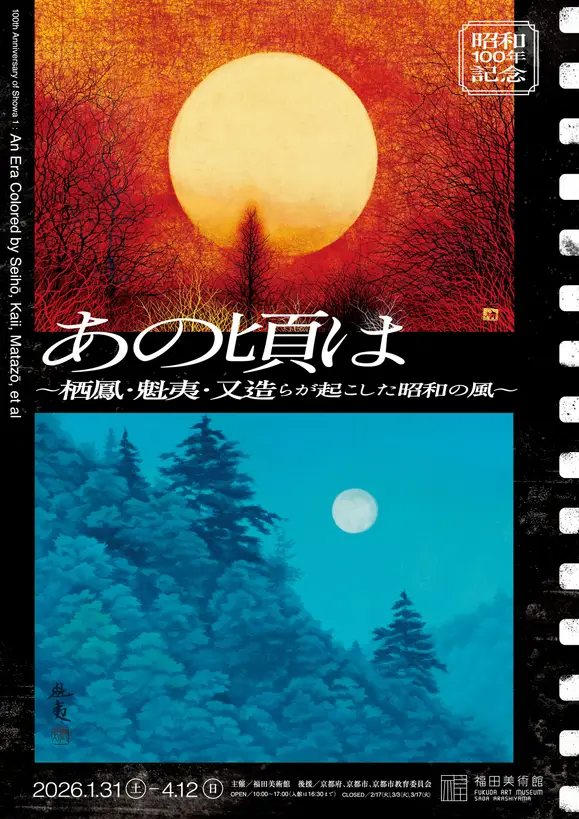
【Kyoto】100th Anniversary of Showa 1: An Era Colored by Seihō, Kaii, Matazō, et al (Fukuda Art Museum)
The Showa era, spanning from 1926 to 1989, witnessed war, reconstruction, and rapid economic growth—a period of profound transformation for Japanese society. Art, too, bore the imprint of these changes, producing distinct expressions before, during, and after the war. As 2026 marks the centennial of Showa's beginning, this exhibition presents one hundred works created across those sixty-four years, surveying the atmosphere that artists confronted.
Venue: Fukuda Art Museum
Schedule: January 31 – April 12
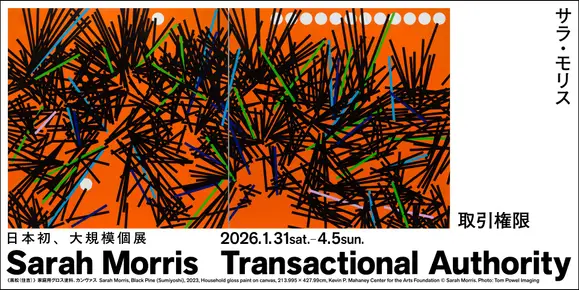
【Osaka】Sarah Morris: Transactional Authority (Nakanoshima Museum of Art, Osaka)
Based in New York, Sarah Morris has built a practice centered on geometric abstract painting while working across video, murals, and drawing. Her expression, informed by interests in networks, architecture, and urban structures, has earned international acclaim. This first major Japanese solo exhibition features approximately one hundred works, including film Sakura from the museum's collection, surveying over three decades of her creative development.
Venue: Nakanoshima Museum of Art, Osaka
Schedule: January 31 – April 5
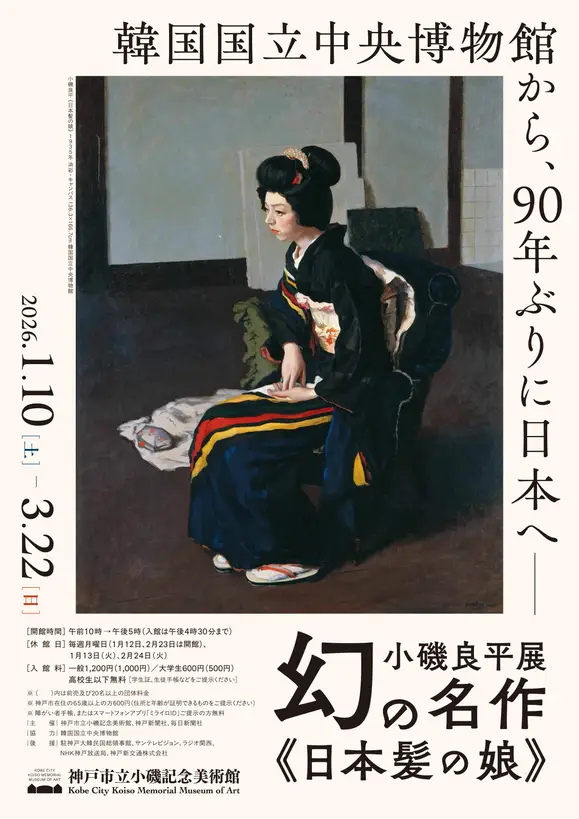
【Hyogo】Ryohei Koiso "The Lost Masterpiece— Girl with a Japanese Hairstyle"(Kobe City Koiso Memorial Museum of Art)
Ryohei Koiso, one of Japan's foremost Western-style painters, is celebrated for his portraits of women imbued with stillness and grace. Central to this exhibition is Girl with a Japanese Hairstyle, a work that drew attention upon its 1935 debut before traveling abroad and subsequently disappearing for decades. Rediscovered in Korea in 2008, the painting returns to Japan for the first time in approximately ninety years. Built around this homecoming, the exhibition reexamines Koiso's work alongside pieces from the museum's collection, offering new angles on his artistic world.
Venue: Kobe City Koiso Memorial Museum of Art
Schedule: January 10 – March 22
【Hiroshima】Adrian Berg: The Infinite Garden (Hiroshima City Museum of Contemporary Art)
From early in his career through his final years, Adrian Berg pursued landscape painting with singular dedication. He is particularly known for repeatedly depicting Regent’s Park in London, where he maintained his studio, over some twenty years beginning in the 1960s. As the first Japanese survey of Berg's approximately fifty-year career, this exhibition presents works from his early period through his later years, accompanied by extensive related materials.
Venue: Hiroshima City Museum of Contemporary Art
Schedule: January 24 – April 12
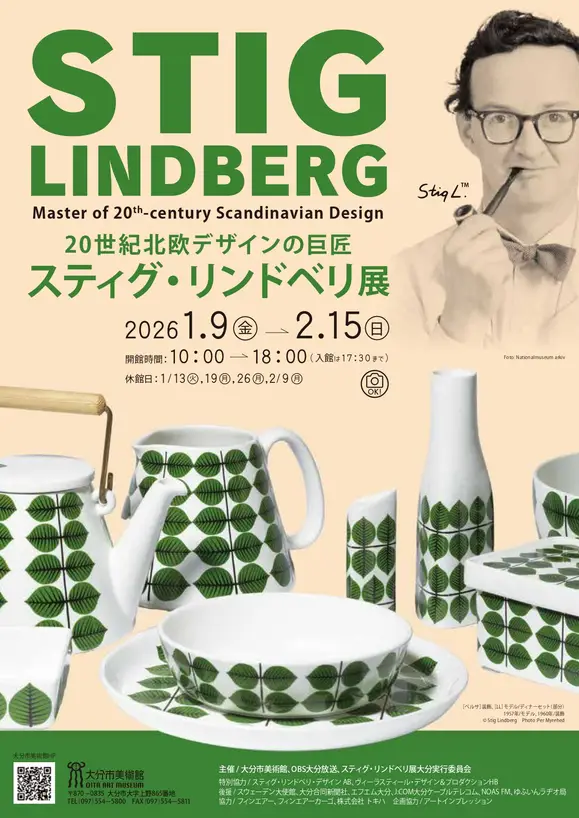
【Oita】Stig Lindberg Master of 20th-century Scandinavian Design (Oita Art Museum)
Swedish ceramicist and designer Stig Lindberg discovered and nurtured talented successors including Lisa Larson, establishing himself as a defining figure of twentieth-century Scandinavian design. This exhibition displays not only the tableware popular in Japan but also faience, unique art pieces, textiles, book illustrations, and sketches. By presenting aspects of his work rarely shown in Japan, the exhibition offers a comprehensive view of his artistry.
Venue: Oita Art Museum
Schedule: January 9 – February 15