
Best Exhibitions Starting in September 2026
.jpg?w=2352&q=70&fm=webp)


Tokyo Art Beat presents a selection of the best exhibitions opening in September 2026. Save the exhibitions on the TAB website or TAB app and don't miss the openings and closings.
- ◎Tokyo
- 【Tokyo】Torii Kotondo: Kabuki Prints and Shin-Hanga (New Prints) (Ota Memorial Museum of Art)
- 【Tokyo】Sumida Art Festival (Various locations)
- 【Tokyo】Synchronic Constellation: Cross-boundary Perspectives in Art (Museum of Contemporary Art Tokyo)
- 【Tokyo】Ceramicist Kawai Kanjirō, 60 Years After His Death: The Sources of His Creativity in Traditional Ceramics (Seikado Bunko Art Museum)
- 【Tokyo】 Masterpieces of the Renaissance from the Musée du Louvre (The National Art Center, Tokyo)
- 【Tokyo】Tokyo Gendai (Pacifico Yokohama)
- 【Tokyo】Arts Nakamurabashi 2026 (Nerima Art Museum)
- 【Tokyo】Moon Art Night Shimokitazawa (Various locations)
- 【Tokyo】Life with Flowers— Botanical Art and Design (Fuchu Art Museum)
- 【Tokyo】Rojō [shared ground] ― am i in your way? (The Shoto Museum of Art)
- 【Tokyo】Suikoden The Water Margin: Outlaws of the Marsh (Tokyo Station Gallery)
- 【Tokyo】Albert Marquet Exhibition (SOMPO Museum of Art)
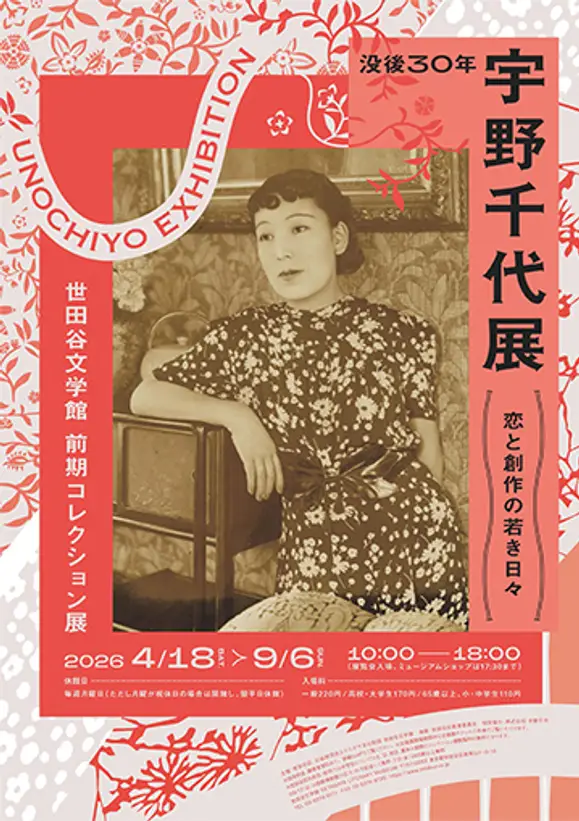
- 【Tokyo】Collection Exhibition: 30 Years After the Death of Chiyo Uno (Setagaya Literary Museum)
- 【Tokyo】Hiroshige: New Perspective on Edo Japan (Tokyo National Museum)
- 【Tokyo】Duet— Asian Contemporary (Tokyo Photographic Art Museum)
- ◎Japan
- 【Aomori】Artist in Residence Program 2026 "Eat" (Aomori Contemporary Art Centre)
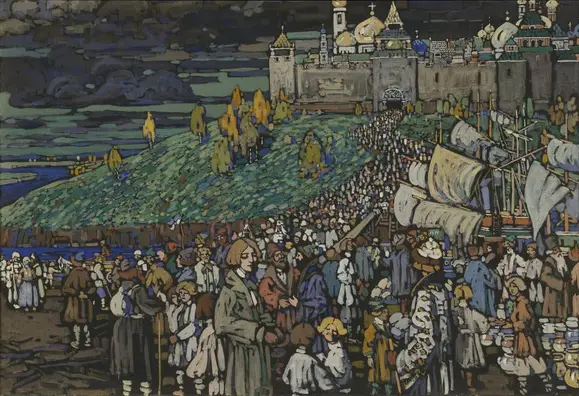
- 【Miyagi】Composed Vibration: Wassily Kandinsky from the Collections in Japan (The Miyagi Museum of Art)
- 【Tochigi】Takashima Yajuro: 50 Years after His Passing (Utsunomiya Museum of Art)
- 【Gunma】Maebashi Biennale 2026 (Various locations)
- 【Saitama】Mika Ninagawa "Light of Beginnings" (Kawaguchi Museum of Art)
- 【Chiba】Permanent Collection: Yukio Fukazawa and the World of Literature Vol. 1 (Ichihara Lakeside Museum)
- 【Kanagawa】Mikiya Takimoto "Lunation Listening to the Cosmos through the Sea" (Chigasaki City Museum of Art)
- 【Kanagawa】Shimada Shozo—Works from the Yokosuka Museum of Art Collection (Yokosuka Museum of Art)
- 【Ishikawa】Hitoshi Ushijima + Hiraki Sawa "With a Landscape" (21st Century Museum of Contemporary Art, Kanazawa)
- 【Gifu】Gero Art Discovery 2026 (Various Locations in Gero, Gifu)
- 【Gifu】“A Celebration of Modern French Painting” (The Museum of Fine Arts, Gifu)
- 【Shizuoka】Renoir and Japan (Shizuoka City Museum of Art)
- 【Aichi】Wallraf-Richartz-Museum & Fondation Corboud, Cologne, Germany “Van Gogh and the Impressionists” (Nagoya City Art Museum)
- 【Kyoto】Yamaga Seika: Boundless Imagination in Textile Art—Celebrating the 140th Anniversary of His Birth (Kyoto City KYOCERA Museum of Art)
- 【Kyoto】Forms of Love -Legendary Shunga Scroll Chigo Sōshi on Display (Fukuda Art Museum)
- 【Osaka】Georges Rouault: Tender Eye, Prayerful Brushstrokes (Asahi Group Oyamazaki Villa Museum of Art)
- 【Osaka】Living along the Saru River-Ainu Lives from Ancestral Times to the Present (National Museum of Ethnology)
- 【Osaka】135 Years of Ryusei Kishida (Sanno Art Museum)
- 【Hyogo】Chiyu Uemae Exhibition (BB Plaza Museum of Art)
- 【Shimane】Arts & Crafts and Design: From William Morris to Frank Lloyd Wright (Shimane Art Museum)
- 【Okayama】Yumeji and Germany (Yumeji Art Museum)
- 【Fukuoka】The Shin-Hanga: The Great Endeavor of Watanabe Shōzaburō (Kitakyushu Municipal Museum of Art)
- 【Fukuoka】Asian Art Walk South Asia (Fukuoka Asian Art Museum)
◎Tokyo
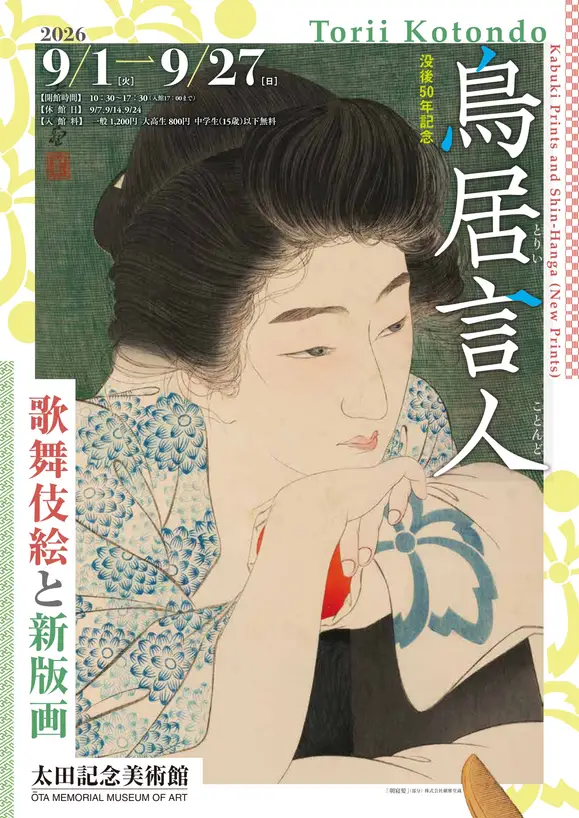
【Tokyo】Torii Kotondo: Kabuki Prints and Shin-Hanga (New Prints) (Ota Memorial Museum of Art)
The eighth-generation artist of the Torii school, Torii Kotondo, produced kabuki imagery while also studying under Kaburaki Kiyokata and earning recognition for his refined bijinga portraits of beautiful women. Marking 50 years since his death, this exhibition features about 70 works, including hand-painted kabuki scenes, Taisho-era shin-hanga prints, and bijinga.
Venue: Ota Memorial Museum of Art
Dates: September 1 – September 27

 0Posts
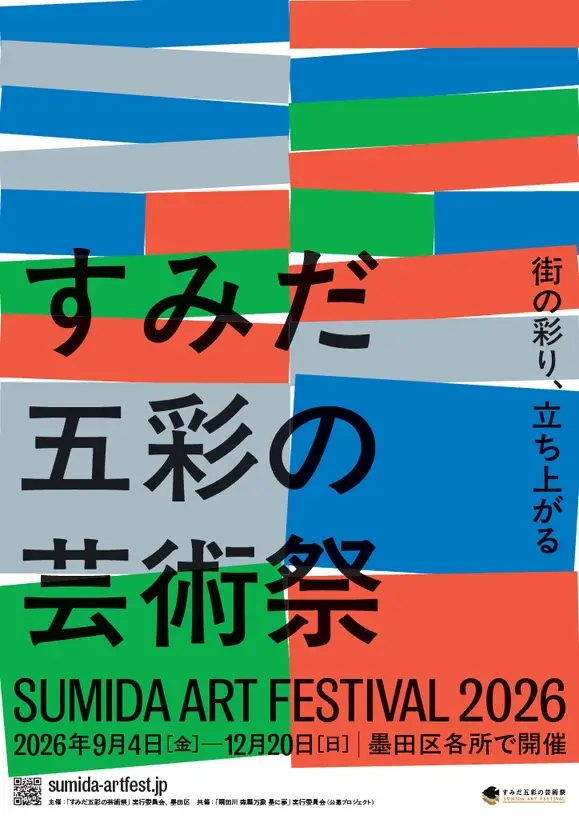
【Tokyo】Sumida Art Festival (Various locations)
The first contemporary art festival in eastern Tokyo brings light to the long history of traditional Edo culture still preserved here. Themed as the “Five Colors of Sumida”, this show invites us to explore a vibrant, colorful world while rediscovering the local landscape and histories.
Venue: Sumida Culture Factory Yutoriya, etc.
Dates: September 4 – December 20
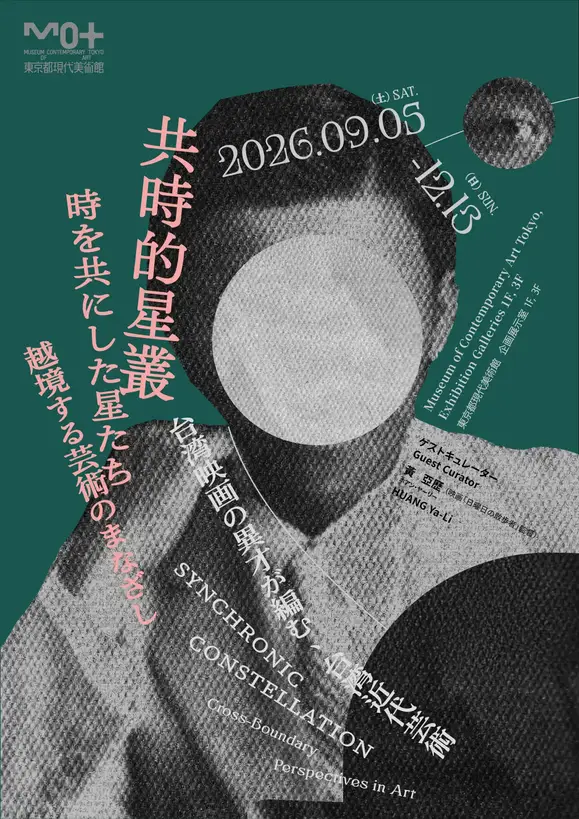
【Tokyo】Synchronic Constellation: Cross-boundary Perspectives in Art (Museum of Contemporary Art Tokyo)
This exhibition reexamines the cultural and artistic history of modern Taiwan and Japan. Like stars forming a vast constellation, the works by Taiwanese and Japanese artists resonate with one another, offering a wider perspective on contemporary art in Asia today.
Venue: Museum of Contemporary Art Tokyo
Dates: September 5 – December 13

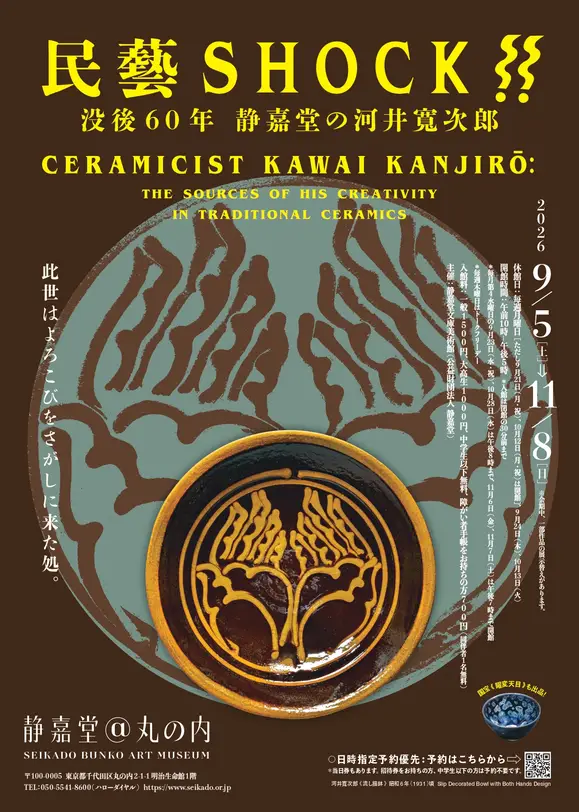
【Tokyo】Ceramicist Kawai Kanjirō, 60 Years After His Death: The Sources of His Creativity in Traditional Ceramics (Seikado Bunko Art Museum)
This exhibition marks 60 years since the death of ceramic artist Kanjiro Kawai, who played a central role in the Mingei folk craft movement alongside Soetsu Yanagi and Shoji Hamada. Seikado Museum will exhibit 51 works by Kawai, together with ceramics from Japan, China and Korea.
Venue: Seikado Bunko Art Museum
Dates: September 5 – November 8
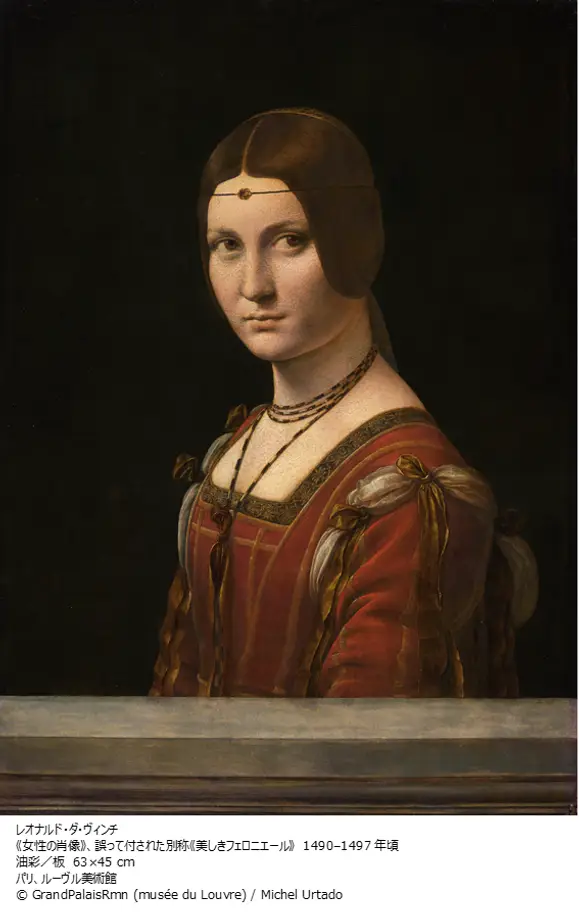
【Tokyo】 Masterpieces of the Renaissance from the Musée du Louvre (The National Art Center, Tokyo)
This major exhibition brings Renaissance art from the Louvre to Japan. Many of the works date from the late 15th to the latter half of the 16th century, when Renaissance style was developing in distinctive ways across different regions. The exhibition offers a rare opportunity to encounter all the richness of this captivating art period.
Venue: The National Art Center, Tokyo
Dates: September 9 – December 13
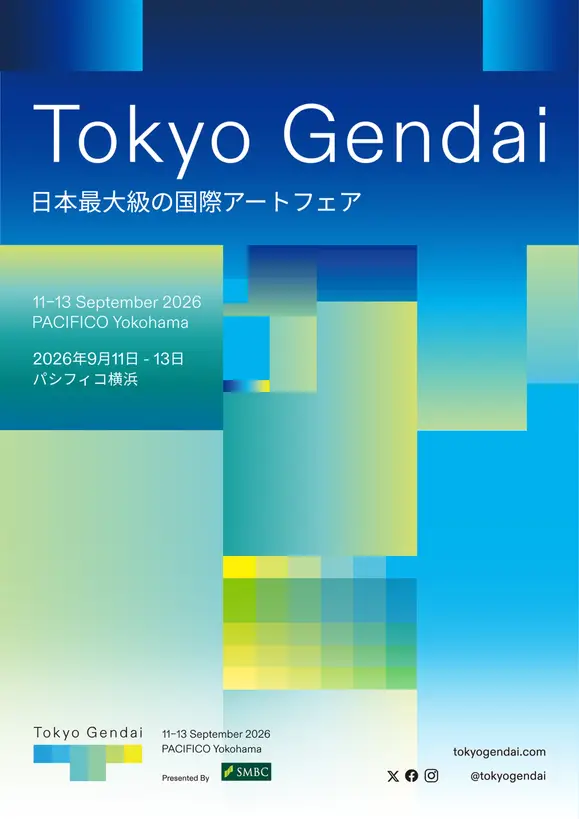
【Tokyo】Tokyo Gendai (Pacifico Yokohama)
The biggest contemporary art fair is back in Tokyo. Galleries and auctions from Japan and overseas are brought together to showcase the current trends of the contemporary art scene. Another contemporary art event, TENNOZ ART WEEK 2026, will be held at Tennoz Isle as a collaboration with Tokyo Gendai to give a scene to the young artists from Japan and beyond.
Venue: Pacifico Yokohama
Dates: September 11 – September 13
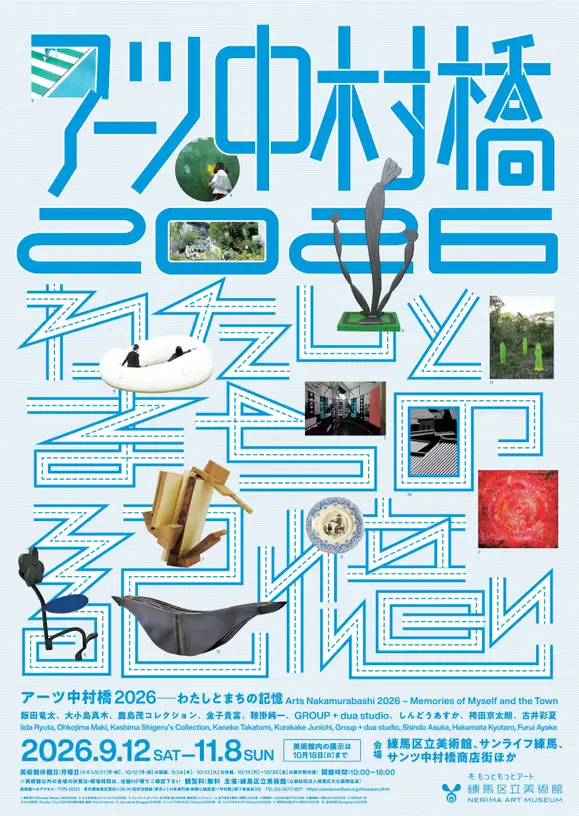
【Tokyo】Arts Nakamurabashi 2026 (Nerima Art Museum)
This exhibition is dedicated to the local histories, featuring the arts and communities from the Nakamurabashi neighbourhood. The artists will present sculpture, painting, photography, architecture, installations, and other works that connect the past and present of the city they live in.
Venue: Nerima Art Museum
Dates: September 12 – November 8
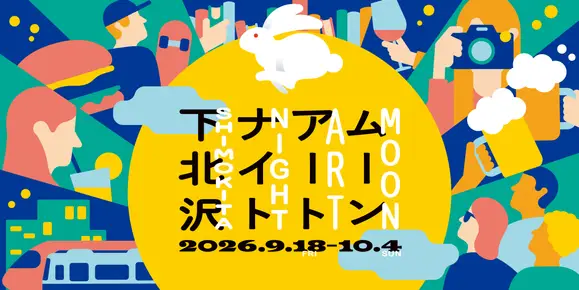
【Tokyo】Moon Art Night Shimokitazawa (Various locations)
The famous art festival dedicated to tsukimi - a Japanese tradition of gazing at the full moon in autumn. Luke Jerram’s monumental “Museum of the Moon”, Teppei Kaneuji, Masahide Matsuda, Misai Kono and others come together to celebrate art and culture in one of the most trendy Tokyo neighborhoods.
Venue: Shimokitasenrogai Akichi, etc.
Dates: September 18 – October 4
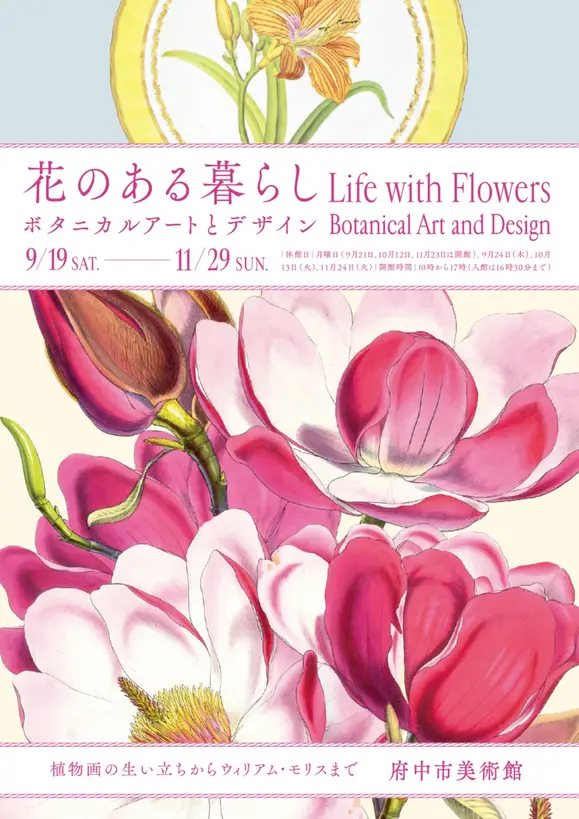
【Tokyo】Life with Flowers— Botanical Art and Design (Fuchu Art Museum)
This exhibition explores botanical art, which developed as a means of documenting flowers, herbs and vegetables, before becoming an independent art form. Botanical journals, Wedgwood ceramics and William Morris' designs will come together to celebrate the mix of botanical study and creativity.
Venue: Fuchu Art Museum
Dates: September 19 – November 29
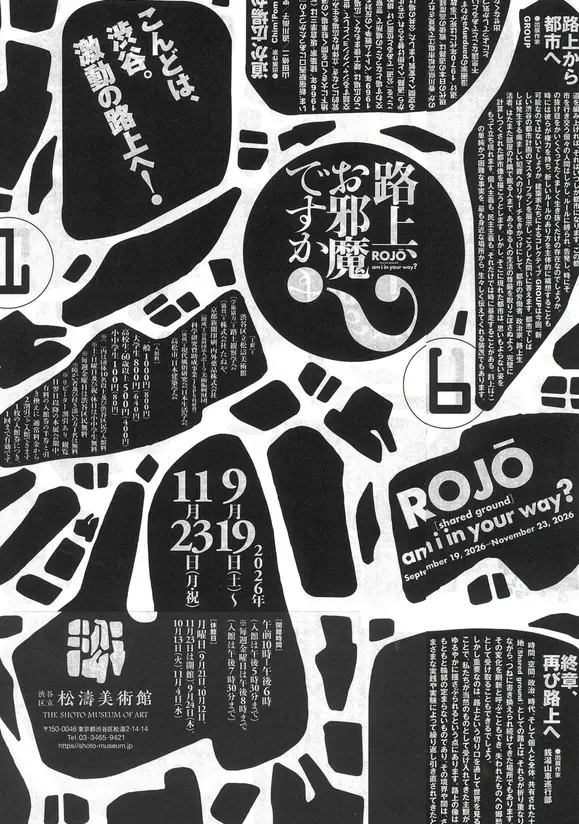
【Tokyo】Rojō [shared ground] ― am i in your way? (The Shoto Museum of Art)
Who owns the street? This exhibition reconsiders public space and artistic freedom, featuring the history of art practice taking place on the streets and urban sceneries.
Venue: The Shoto Museum of Art
Dates: September 19 – November 23
【Tokyo】Suikoden The Water Margin: Outlaws of the Marsh (Tokyo Station Gallery)
This exhibition traces the influence of “Water Margin,” one of the Four Great Classical Novels of Chinese literature, on art in China and Japan. From Chinese art to Utagawa Kuniyoshi’s colorful woodblock prints and contemporary manga, the show explores the enduring visual legacy of the novel’s 108 legendary heroes.
Venue: Tokyo Station Gallery
Dates: September 19 – November 8

【Tokyo】Albert Marquet Exhibition (SOMPO Museum of Art)
French painter Albert Marquet was among the artists who shaped Fauvism in the early 20th century alongside Henri Matisse. Known for his bold compositions and subdued palette dominated by shades of gray, Marquet was admired for his exceptional draftsmanship and often called the European version of Hokusai. His first solo exhibition in Japan in 35 years brings together around 90 works, with a particular focus on waterfront scenes, from the banks of the Seine in Paris to ports encountered during his travels.
Venue: Sompo Museum of Art
Dates: September 22 – December 13
【Tokyo】Collection Exhibition: 30 Years After the Death of Chiyo Uno (Setagaya Literary Museum)
Writer, editor and kimono designer Chiyo Uno pursued a remarkably varied career over the course of her 98-year life. The second part of this collection exhibition, marking 30 years since her death, introduces both her literary work and eventful life.
Venue: Setagaya Literary Museum
Dates: September 26 – March 28, 2027
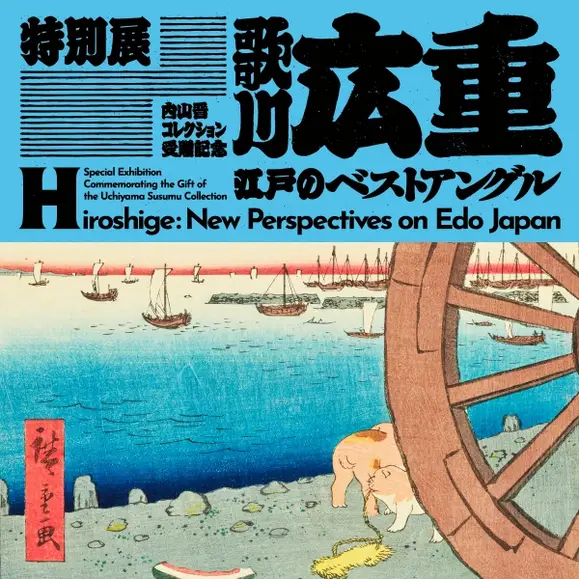
【Tokyo】Hiroshige: New Perspective on Edo Japan (Tokyo National Museum)
This special exhibition celebrates the Tokyo National Museum’s recent acquisition of 1,025 ukiyo-e prints formerly owned by Susumu Uchiyama. This is a rare chance to see all of Hiroshige’s major series - “Fifty-three Stations of the Tokaido,” “Sixty-nine Stations of the Kisokaido,” and “One Hundred Famous Views of Edo”.
Venue: Tokyo National Museum
Dates: September 29 – December 20
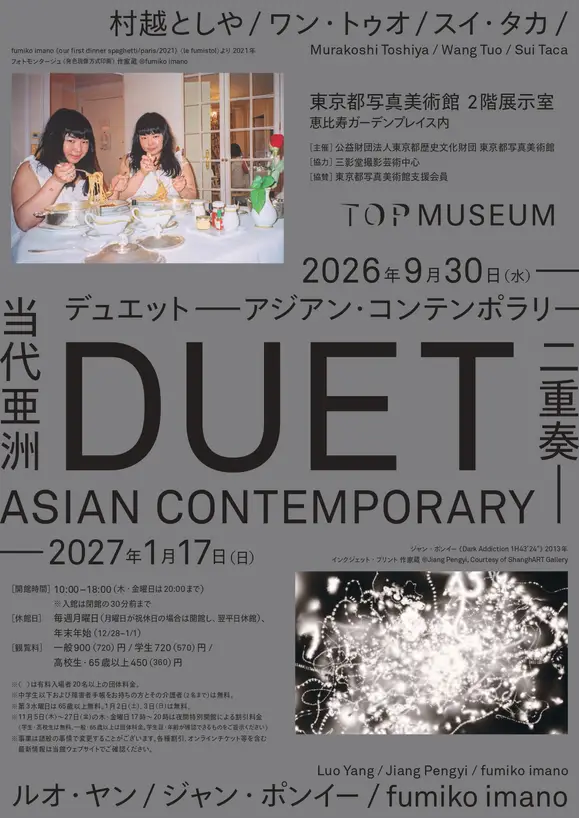
【Tokyo】Duet— Asian Contemporary (Tokyo Photographic Art Museum)
This exhibition presents contemporary photography from Japan and China, bringing together emerging and mid-career photographers whose work captures the two countries from a range of perspectives. Addressing social issues close to everyday life, including economic inequality, natural disasters and gender, the exhibition considers the current state of contemporary photography in Asia.
Venue: Tokyo Photographic Art Museum
Dates: September 30 – January 17, 2027
◎Japan
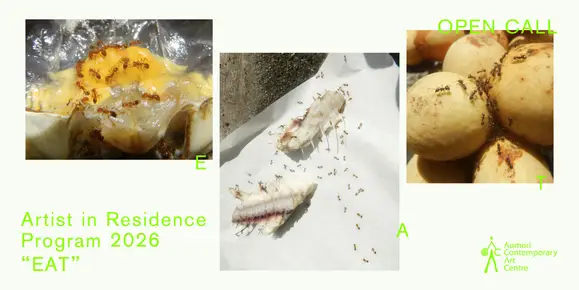
【Aomori】Artist in Residence Program 2026 "Eat" (Aomori Contemporary Art Centre)
The 2026 Artist-in-Residence program invites us to think about eating as a starting point for considering relationships between humans, other living organisms, and the environment. Creators and mediators selected from Japan and overseas will present their art research featuring food, memory, and belief.
Venue: Aomori Contemporary Art Centre
Dates: September 15 – December 15
【Miyagi】Composed Vibration: Wassily Kandinsky from the Collections in Japan (The Miyagi Museum of Art)
This exhibition traces the career of Wassily Kandinsky, a pioneer of abstract painting, through works held in collections across Japan. Following his activities in Munich, the Blue Rider group, Russia, the Bauhaus, and Paris, the exhibition also considers how his ideas and work were received and interpreted in Japan.
Venue: The Miyagi Museum of Art
Dates: September 12 – October 28
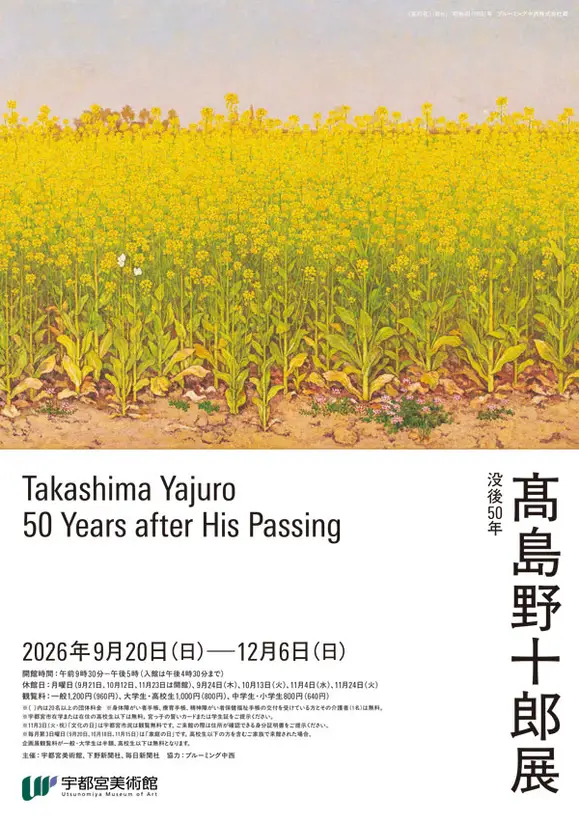
【Tochigi】Takashima Yajuro: 50 Years after His Passing (Utsunomiya Museum of Art)
Born in Fukuoka Prefecture, Yajuro Takashima (1890–1975) was a self-taught Western-style painter who remained independent of established art associations and pursued his own ideals rather than following the trends of his time. This exhibition traces the roots of his artistic practice and explores the Buddhist ideas that influenced it, while also highlighting lesser-known aspects of his career, including works from his youth and his years in Europe.
Venue: Utsunomiya Museum of Art
Dates: September 20 – December 6
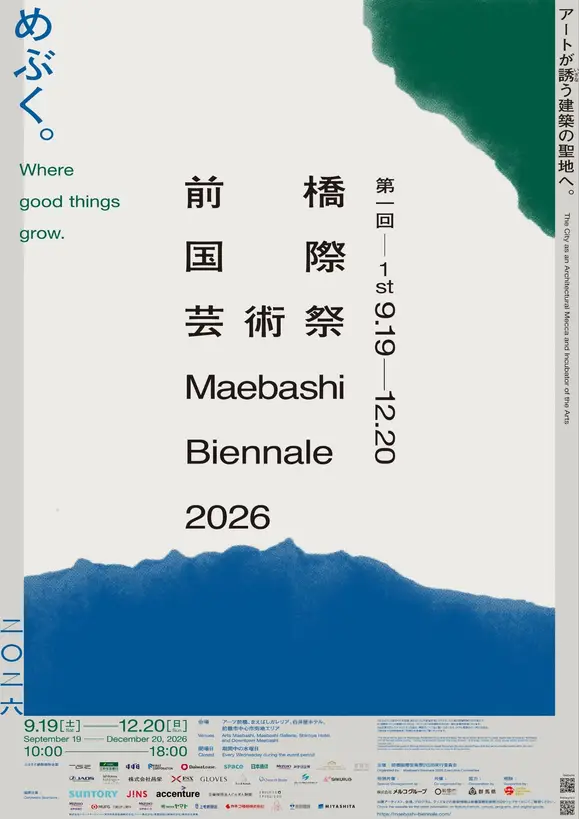
【Gunma】Maebashi Biennale 2026 (Various locations)
Held once every two years, the Maebashi International Art Festival presents contemporary art from Maebashi to audiences in Japan and beyond. This year’s theme is “Mebuku: Where Good Things Grow.” Connecting art spaces and community-building initiatives throughout the city center, the festival offers a variety of encounters with art that bring people and the city together while encouraging artists to participate in its ongoing development. Participating artists include Keiichiro Shibuya, Taeko Yamada, Tahi Saihate, Nao Yoshigai, Toshiaki Ishikura and Kenichi Obana.
Venue: Arts Maebashi, etc.
Dates: September 19 – December 20
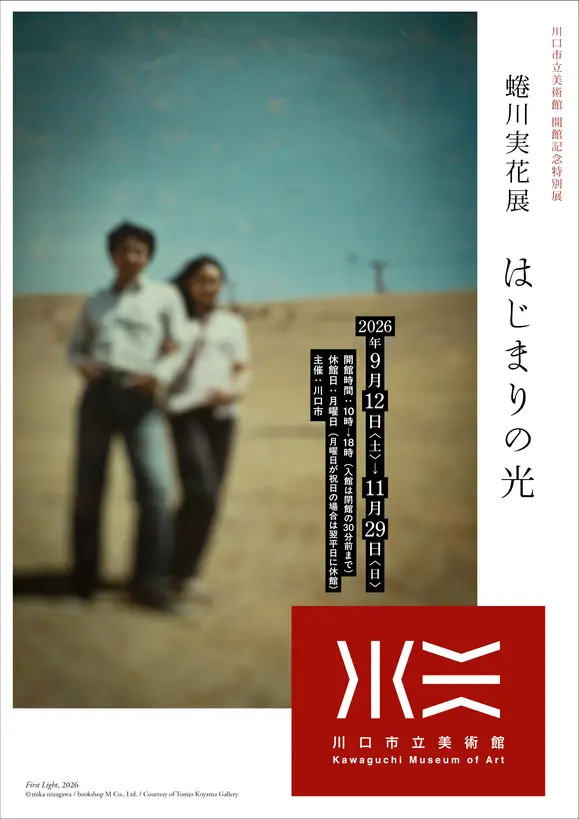
【Saitama】Mika Ninagawa "Light of Beginnings" (Kawaguchi Museum of Art)
The first exhibition at the Kawaguchi City Art Museum, which opens in September 2026, is dedicated to Mika Ninagawa, who spent part of her childhood in Kawaguchi. Returning to photography as the foundation of her creative practice, Ninagawa reflects on how she has looked at, framed, and captured the world throughout her career.
Venue: Kawaguchi Museum of Art
Dates: September 12 – November 29
【Chiba】Permanent Collection: Yukio Fukazawa and the World of Literature Vol. 1 (Ichihara Lakeside Museum)
This exhibition explores the relationship between literature and Yukio Fukazawa, one of Japan’s leading copperplate printmakers and an honorary citizen of Ichihara. Through prints inspired by writers and poets including Edgar Allan Poe, Sakutaro Hagiwara and Chuya Nakahara, it examines how Fukazawa transformed the written word into visual imagery.
Venue: Ichihara Lakeside Museum
Dates: September 29 – December 20

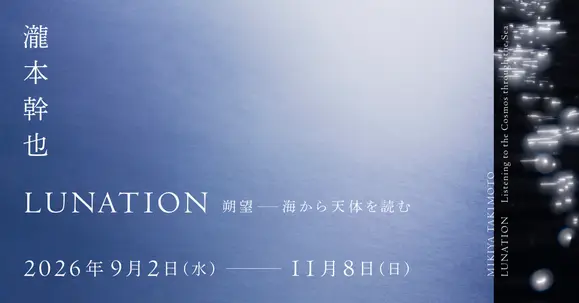
【Kanagawa】Mikiya Takimoto "Lunation Listening to the Cosmos through the Sea" (Chigasaki City Museum of Art)
Photographer Mikiya Takimoto was fascinated by astronomy since childhood. The exhibition follows the expansion of his gaze from distant stars to the Earth, presenting a photographic world in which the visible and invisible, the microscopic and macroscopic, intersect.
Venue: Chigasaki City Museum of Art
Dates: September 2 – November 8
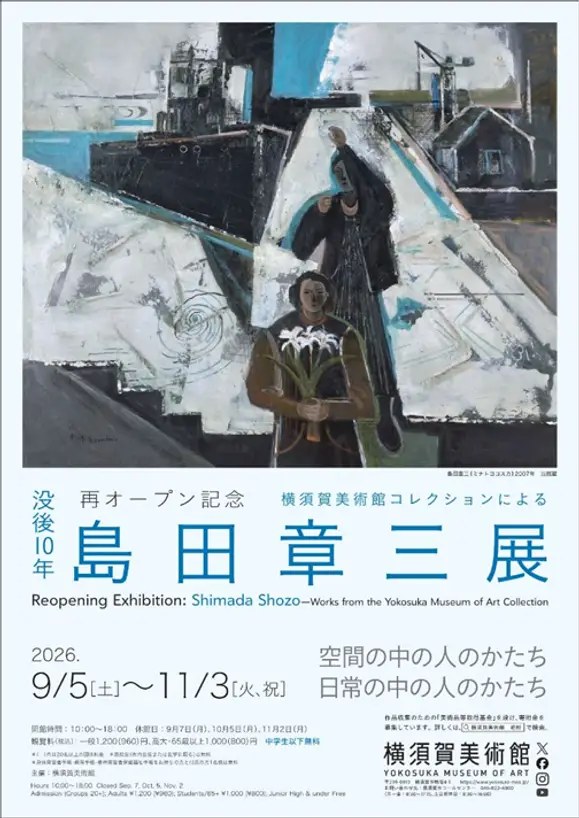
【Kanagawa】Shimada Shozo—Works from the Yokosuka Museum of Art Collection (Yokosuka Museum of Art)
Celebrating the reopening of the Yokosuka Museum of Art, this exhibition focuses on Yokosuka-born Western-style painter Shozo Shimada, who served as the museum’s first director. Drawing from the museum’s extensive collection, it traces the development of his distinctive katachibito figures, which combine human forms with geometric spaces through his highly personal interpretation of Cubism.
Venue: Yokosuka Museum of Art
Dates: September 5 – November 3
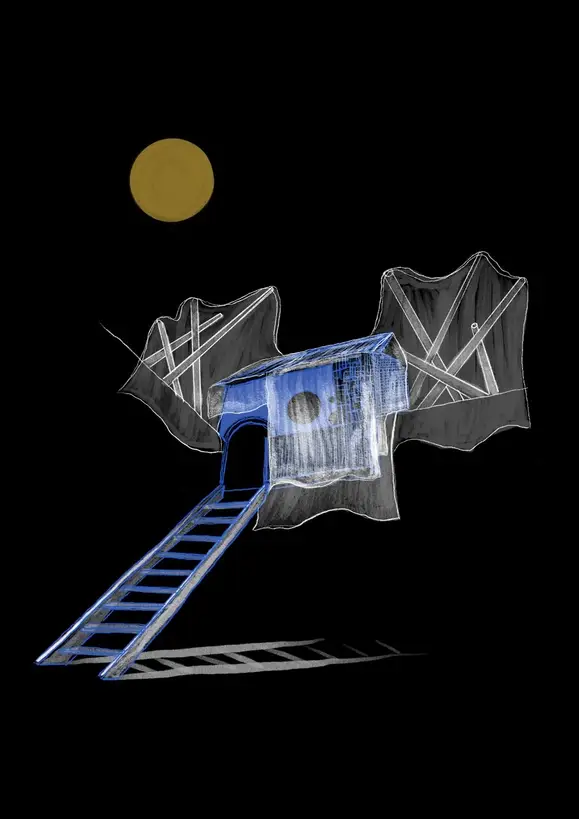
【Ishikawa】Hitoshi Ushijima + Hiraki Sawa "With a Landscape" (21st Century Museum of Contemporary Art, Kanazawa)
Bringing together Hitoshi Ushijima and Hiraki Sawa, two artists of different generations working through distinct approaches, this exhibition considers relationships between people, places and their immediate surroundings. Their works offer different ways of thinking about coexistence and the landscapes we share.
Venue: 21st Century Museum of Contemporary Art, Kanazawa
Dates: September 8 – April 18, 2027
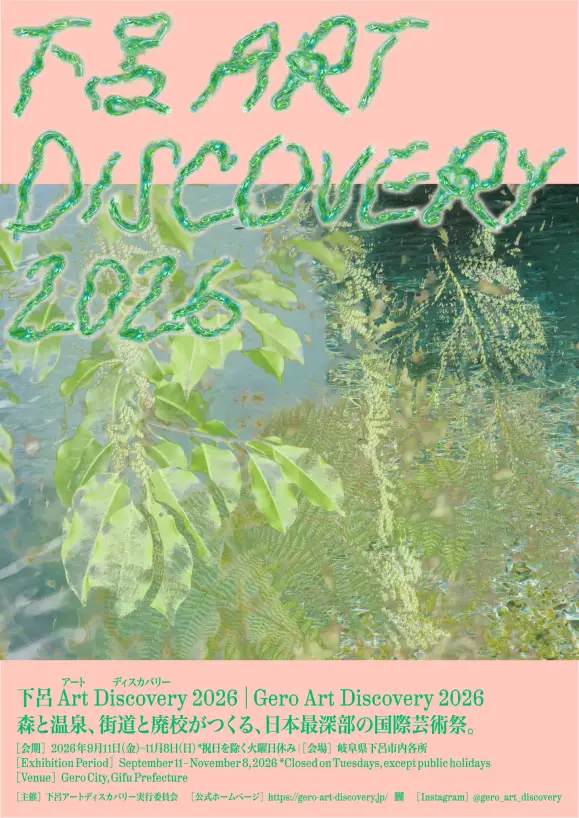
【Gifu】Gero Art Discovery 2026 (Various Locations in Gero, Gifu)
Gero, home to Gero Onsen (which is traditionally counted among Japan’s three great hot springs), hosts an art festival unfolding across forests, former schools and historic townscapes. More than 58 artists and groups from 14 countries and regions will create site-specific works addressing relationships between humans and nature, as well as our past and future.
Venue: Minami Hida Health Promotion Center
Dates: September 11 – November 8
【Gifu】“A Celebration of Modern French Painting” (The Museum of Fine Arts, Gifu)
Centered on works from the Kasama Nichido Museum of Art collection, this exhibition surveys the diverse artistic movements that emerged in France from the late 19th through the 20th century. Claude Monet, Vincent van Gogh, Marc Chagall, Léonard Tsuguharu Foujita, and others come together in Gifu to celebrate the colorful world of Western art.
Venue: The Museum of Fine Arts, Gifu
Dates: September 26 – December 13

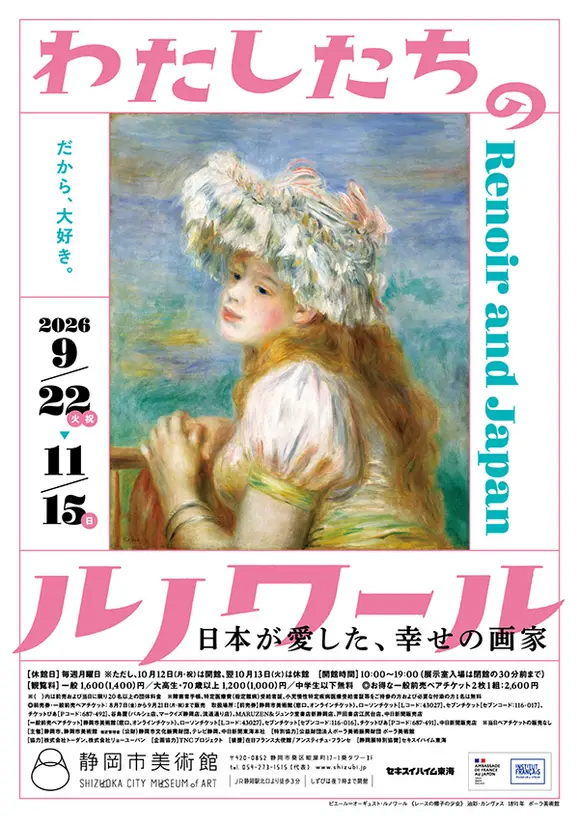
【Shizuoka】Renoir and Japan (Shizuoka City Museum of Art)
Have you ever wondered why Japan loves Renoir that much? Centered around 39 Renoir works held in Japanese collections, this exhibition traces how the French painter was embraced in Japan and gradually became a familiar presence among the country’s most beloved Western masters.
Venue: Shizuoka City Museum of Art
Dates: September 22 – November 15
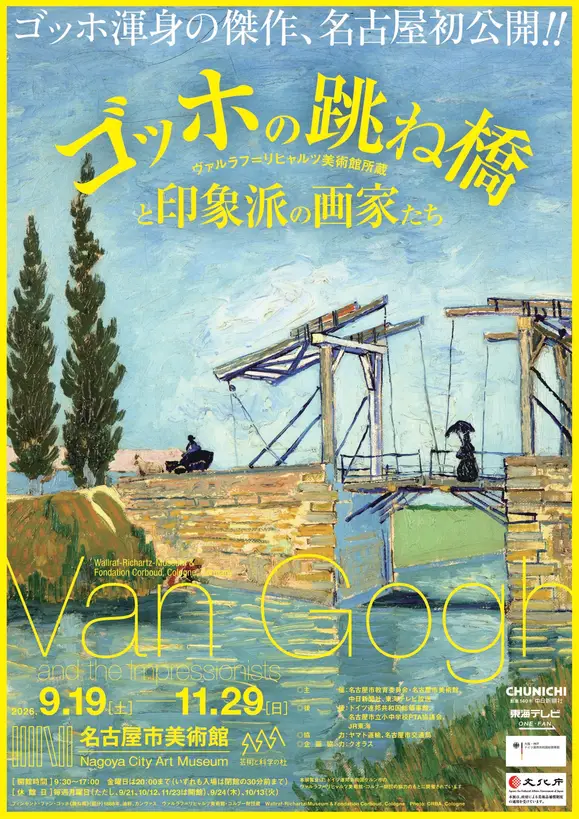
【Aichi】Wallraf-Richartz-Museum & Fondation Corboud, Cologne, Germany “Van Gogh and the Impressionists” (Nagoya City Art Museum)
Based on the collection of the Wallraf-Richartz Museum in Cologne (Germany), this exhibition introduces impressionist paintings alongside Vincent van Gogh’s "The Drawbridge,” which comes to Nagoya for the first time.
Venue: Nagoya City Art Museum
Dates: September 19 – November 29
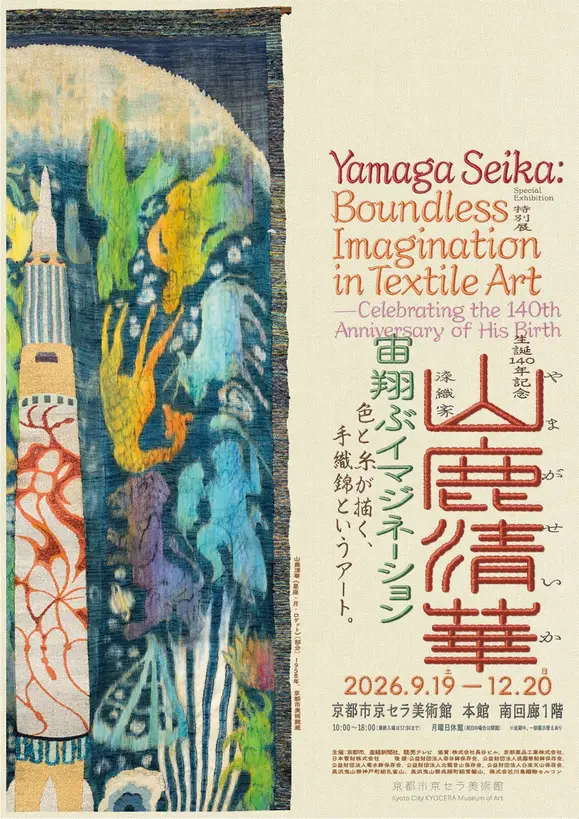
【Kyoto】Yamaga Seika: Boundless Imagination in Textile Art—Celebrating the 140th Anniversary of His Birth (Kyoto City KYOCERA Museum of Art)
This major retrospective, the first in around 40 years, revisits the work of Kyoto textile artist Seika Yamaga, who expanded the possibilities of textiles as an artistic medium. From traditional celestial maidens and cloud-dragons to locomotives, rockets and Tokyo Tower, Yamaga incorporated an astonishingly free range of imagery into woven works. Textiles, designs and paintings reveal the breadth of his inventive imagination.
Venue: Kyoto City Kyocera Museum of Art
Dates: September 19 – December 20
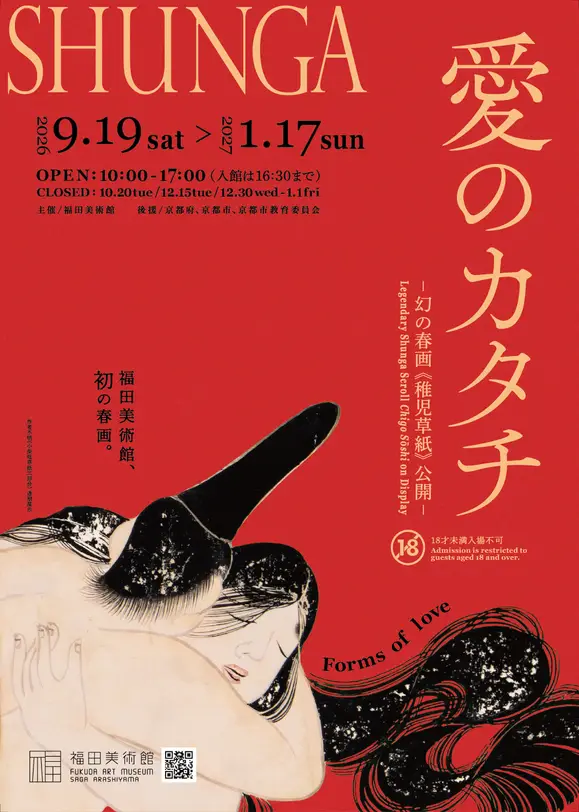
【Kyoto】Forms of Love -Legendary Shunga Scroll Chigo Sōshi on Display (Fukuda Art Museum)
This exhibition marks the first public showing of Chigo Zoshi, created in the early 14th century and regarded as the oldest surviving example of shunga erotic art. Long preserved at Daigoji Temple and sometimes described as a “legendary” work, it entered the Fukuda Collection in 2025. Chigo Zoshi depicts sexual relationships between Buddhist monks and chigo temple youths, using delicate colors and humor.
Venue: Fukuda Art Museum
Dates: September 19 – January 17, 2027
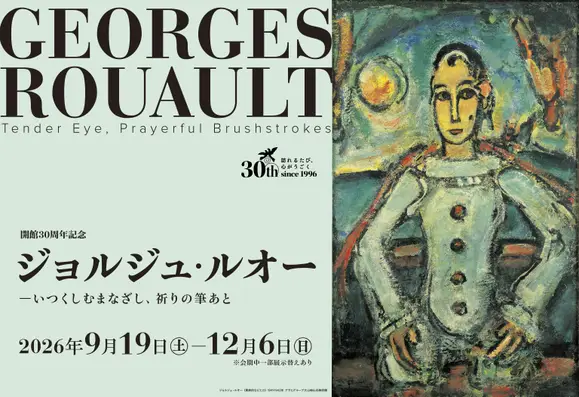
【Osaka】Georges Rouault: Tender Eye, Prayerful Brushstrokes (Asahi Group Oyamazaki Villa Museum of Art)
Georges Rouault was one of the leading French painters of the 20th century. His early work reveals the influence of Rembrandt, and after that he developed a distinctive visual language. This exhibition explores Rouault’s deeply compassionate gaze toward people from marginalized communities.
Venue: Asahi Group Oyamazaki Villa Museum
Dates: September 19 – December 6
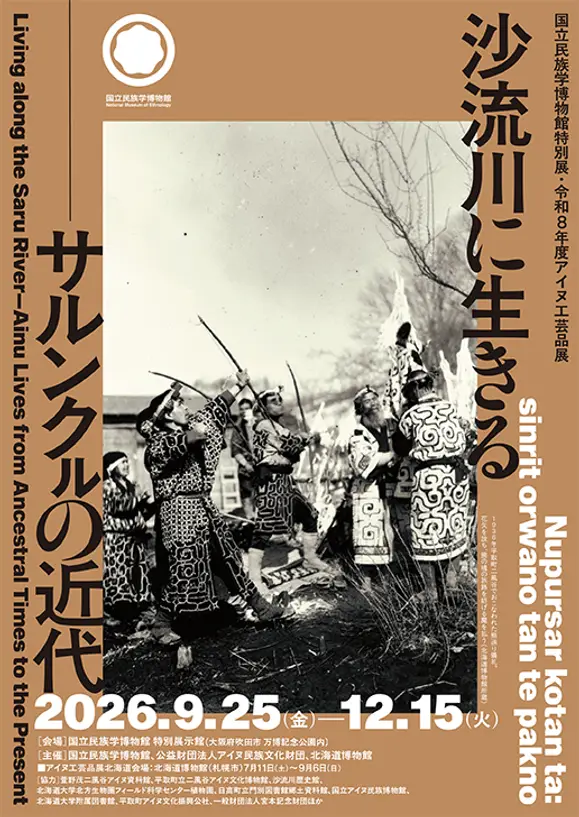
【Osaka】Living along the Saru River-Ainu Lives from Ancestral Times to the Present (National Museum of Ethnology)
This exhibition focuses on communities along the Saru River, which rises in the Hidaka Mountains of Hokkaido and flows into the Pacific Ocean. The area is known as an important center of cultural exchange, with a wealth of objects and records spanning from prehistory to the present.
Venue: National Museum of Ethnology
Dates: September 25 – December 15
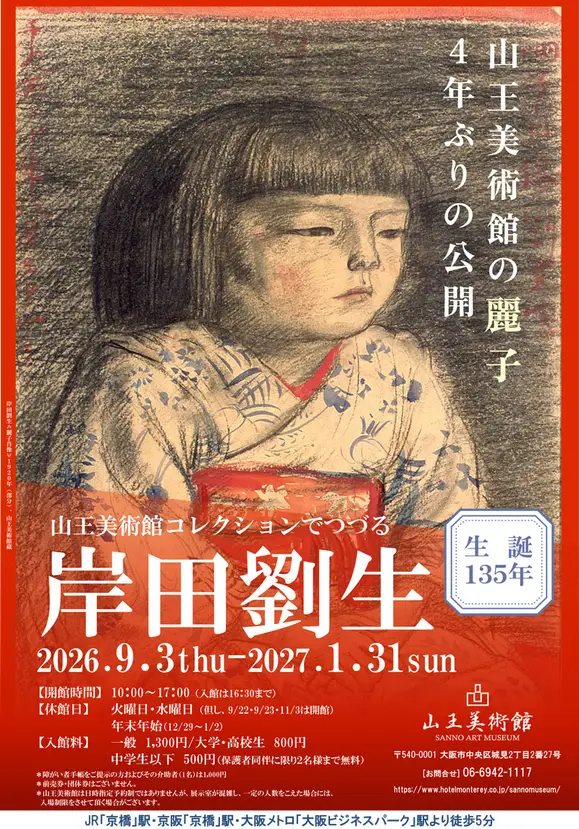
【Osaka】135 Years of Ryusei Kishida (Sanno Art Museum)
Marking 135 years since the birth of Ryusei Kishida, one of the leading figures of modern Western-style painting in Japan and best known for his portraits of his daughter Reiko, this exhibition features major works from the Sanno Art Museum collection and explores Kishida’s distinctive artistic world and his sustained pursuit of realism.
Venue: Sanno Art Museum
Dates: September 3 – January 31, 2027
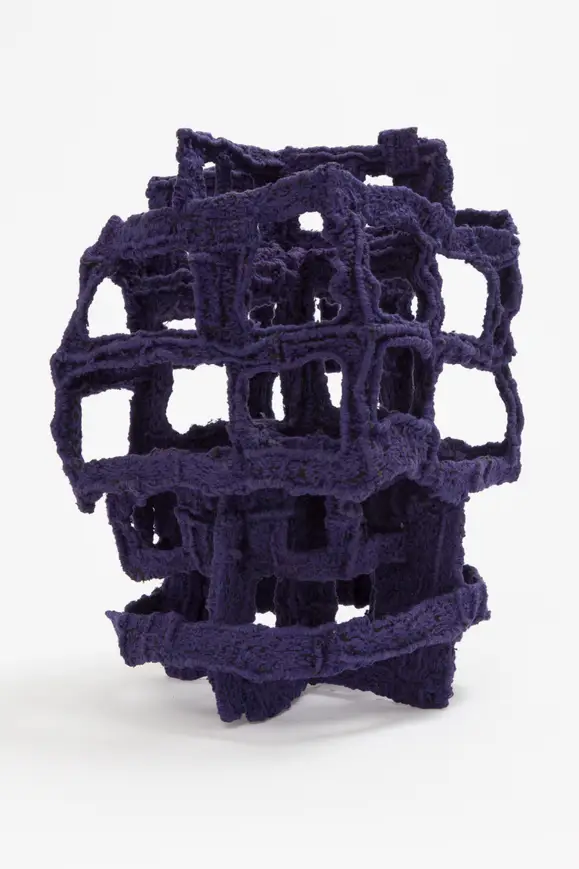
【Hyogo】Chiyu Uemae Exhibition (BB Plaza Museum of Art)
One of the earliest members of Gutai, Chiyu Uemae has continued exploring abstract works even after the group's dismissal. This exhibition presents early figurative paintings, abstract works, objects and prints, tracing an art practice built through the persistent accumulation of dots and lines.
Venue: BB Plaza Museum of Art
Dates: September 15 – November 8
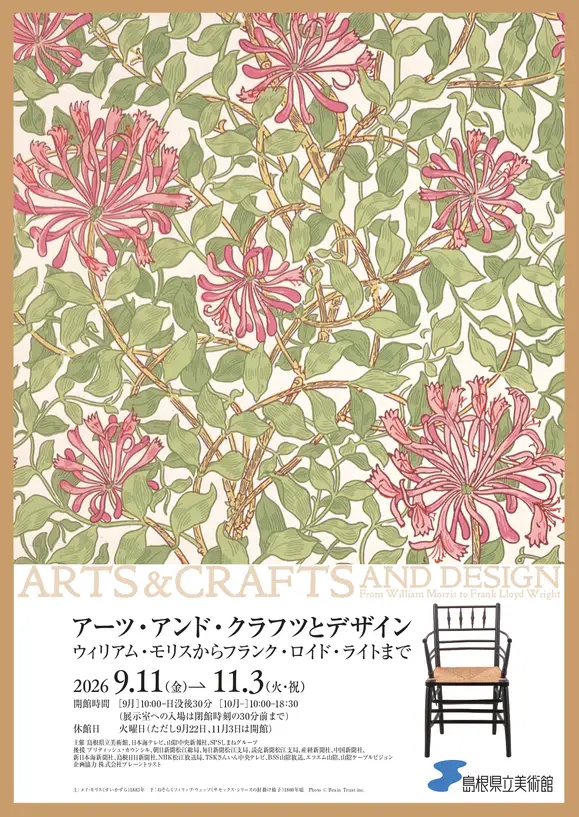
【Shimane】Arts & Crafts and Design: From William Morris to Frank Lloyd Wright (Shimane Art Museum)
This exhibition traces the development of the Arts and Crafts movement, which emerged in late 19th-century Britain. Approximately 170 works, including textiles, decorative arts, furniture and books are brought to explore the movement’s role as a foundation of modern design.
Venue: Shimane Art Museum
Dates: September 11 – November 3
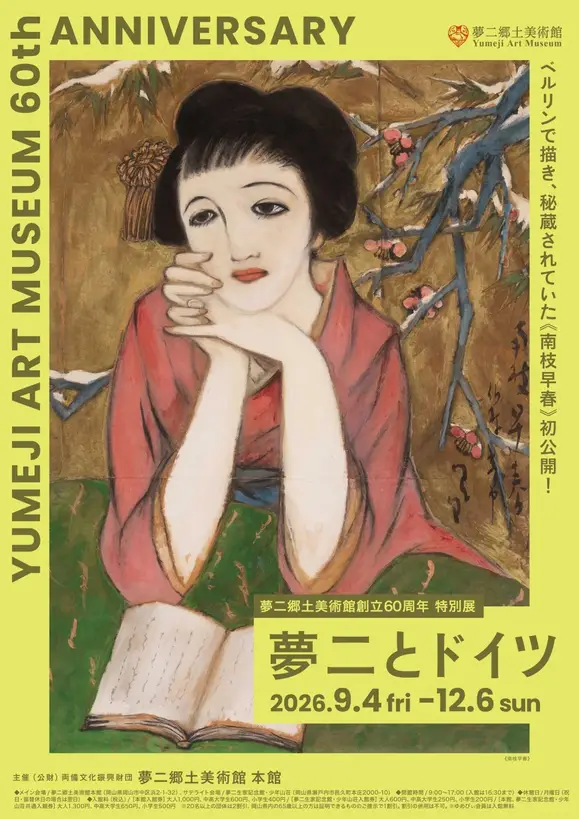
【Okayama】Yumeji and Germany (Yumeji Art Museum)
Celebrating the 60th anniversary of the Yumeji Art Museum, this exhibition explores the relationship between the father of Taisho romance and kawaii culture, Yumeji Takehisa, and Germany.
Venue: Yumeji Art Museum
Dates: September 4 – December 6
【Fukuoka】The Shin-Hanga: The Great Endeavor of Watanabe Shōzaburō (Kitakyushu Municipal Museum of Art)
This exhibition focuses on publisher Shozaburo Watanabe, who developed shin-hanga, a modern form of woodblock printing that retained ukiyo-e’s traditional division of labor between artist, carver, and printer. Watanabe played a central role in shaping the movement by bringing these craftsmen together and promoting shin-hanga in Japan and abroad. The exhibition explores his activities alongside the rich visual language of modern Japanese printmaking.
Venue: Kitakyushu Municipal Museum of Art
Dates: September 12 – November 8
【Fukuoka】Asian Art Walk South Asia (Fukuoka Asian Art Museum)
This is the second part of the A Guide to Asian Art series, where Fukuoka Asian Art Museum explores Asian art region by region. This time, South Asia becomes the main topic. The exhibition presents contemporary artworks from India, Bangladesh, Pakistan, Sri Lanka, Nepal, Bhutan and the Maldives, offering a nice insight into the current trends in this region.
Venue: Fukuoka Asian Art Museum
Dates: September 19 – January 11, 2027