Best Exhibitions Starting in July 2026


Tokyo Art Beat presents a selection of the best exhibitions opening in July 2026. Save the exhibitions on the TAB website or TAB app and don't miss the openings and closings.
- ◎Tokyo
- 【Tokyo】TOP Collection: Tomorrow's Dining Table (Tokyo Photographic Art Museum)
- 【Tokyo】Tony Oursler: Between Technology and Spiritual Knowledge - Magic, Media, and Art (Tokyo Node)
- 【Tokyo】Takashima Yajuro: 50 Years after His Passing (The Shoto Museum of Art)
- 【Tokyo】Maeta Kanji — Poesy and Realism: In Commemoration of his 130th Birth and the Centennial of the 1930 Society (Tokyo Station Gallery)
- 【Tokyo】Lucie Rie: Elegant Vessels Fusing East and West (Tokyo Metropolitan Teien Art Museum)
- 【Tokyo】Rembrandt the Etcher: His Challenges and His Impact (National Museum of Western Art)
- 【Tokyo】A Feast for the Eyes: Tableware (Suntory Museum of Art)
- 【Tokyo】I’m So Happy You Are Here: Japanese Women Photographers from the 1950s to Now (Shibuya Hikarie Hall)
- 【Tokyo】More Than Just Cute!? The Pingu Exhibition
- 【Tokyo】Kiyoshi Hasegawa from the Machida City Museum of Graphic Arts Collection (Panasonic Shiodome Museum of Art)
- 【Tokyo】Almost Sky: Jun Aoki + Richard Tuttle (Tokyo Opera City Art Gallery)
- 【Tokyo】Nam June Paik | Jugemu: 20 Years After (Watari-um Museum of Contemporary Art)
- 【Tokyo】100th Anniversary of the Tokyo Metropolitan Art Museum Views of This Place-Ueno, Omuta, and Buenos Aires (Tokyo Metropolitan Art Museum)
- 【Tokyo】Museum Treasure Hunt! (Fuchu Art Museum)
- ◎Japan
- 【Hokkaido】teamLab Future Park Hakodate (Hokkaido Hakodate Museum of Art)
- 【Gunma】The Secret Pass Exhibition: Passing, Creating, and Being Together—Circuits for Living (Arts Maebashi)
- 【Chiba】Beyond the Darkness Lies Another World. Part 2: Sasaoka Yuriko Spirals (Ichihara Lakeside Museum)
- 【Kanagawa】Yuko Mohri Recompose - A Homecoming Exhibition from Japan Pavilion of the 60th Venice Biennale (Yokohama Museum of Art)
- 【Toyama】Theo Jansen Exhibition (Toyama Prefectural Museum of Art and Design)
- 【Shizuoka】NHK Sunday Museum 50th Anniversary Exhibition (Shizuoka Prefectural Museum of Art)
- 【Aichi】Andrew Wyeth Boundaries or Windows (Toyota Municipal Museum of Art)
- 【Shiga】The Eye of Taro Fukutomi - The Collection of Showa's Cabaret King (Shiga Museum of Art)
- 【Kyoto】Marimekko: Art of Printmaking –Beauty, Dream, Love (The Museum of Kyoto)
- 【Kyoto】Antonio Fontanesi-Landscape as Painting between Meiji Japan and Europe (The National Museum of Modern Art, Kyoto)
- 【Kyoto】Ukiyo-e Super Creator Utagawa Kuniyoshi (Kyoto City Kyocera Museum of Art)
- 【Osaka】Karl Walser (Nakanoshima Museum of Art, Osaka)
- 【Osaka】Van Gogh's Drawbridge and the Impressionists (Abeno Harukas Art Museum)
- 【Osaka】Water Margin (Osaka City Museum of Fine Arts)
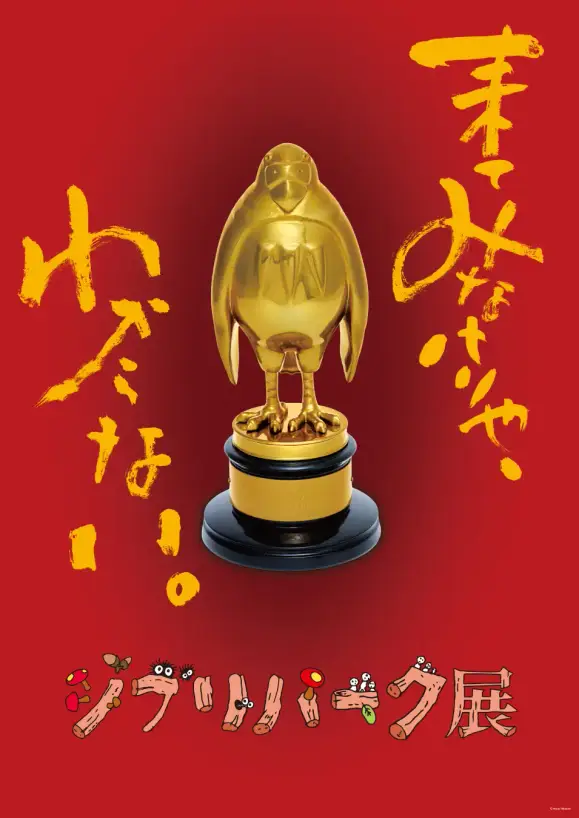
- 【Osaka】Ghibli Park Exhibition (ATC Gallery)
- 【Osaka】Aki Sasamoto's Life Laboratory (The National Museum of Art, Osaka)
- 【Hyogo】Godzilla the Art (Kobe Artists Museum)
- 【Hyogo】Ghost in The Shell The Exhibition (Hyogo Prefectural Museum of Art)
- 【Nara】Buddhist Painting in Nara— Tenpyo Era (Nara National Museum)
- 【Hiroshima】Miniature Life Exhibition - Tatsuya Tanaka Mitate Worlds - (Okuda Genso Sayume Museum)
- 【Hiroshima】The 12th Hiroshima Art Prize Mel Chin (Hiroshima City Museum of Contemporary Art)
- 【Kochi】Collection Highlights: War / Hinomaru Illumination (The Museum of Art, Kochi)
- 【Fukuoka】Tove Jansson and the Moomins (Fukuoka Art Museum)
◎Tokyo
【Tokyo】TOP Collection: Tomorrow's Dining Table (Tokyo Photographic Art Museum)
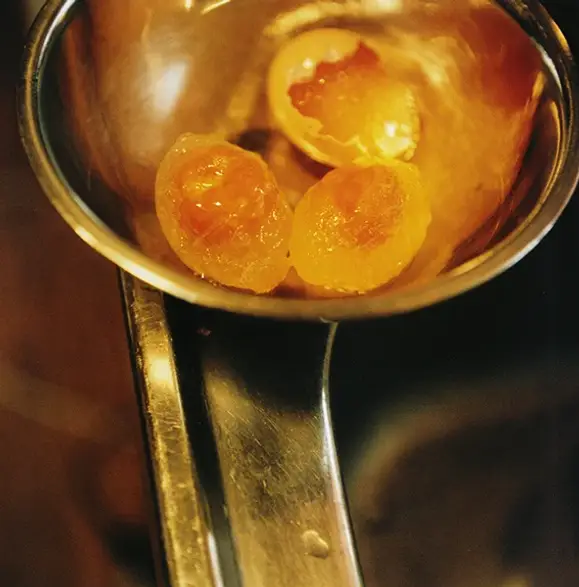
Humanity wouldn’t last long without eating something. This exhibition presents photographs and video installations by fourteen artists exploring food as a social act through personal memory, human relationships, and global issues. The Tokyo Photographic Art Museum invites us to reflect on what it means to eat - together.
Venue: Tokyo Photographic Art Museum
Dates: July 2 – September 21

 0Posts
【Tokyo】Tony Oursler: Between Technology and Spiritual Knowledge - Magic, Media, and Art (Tokyo Node)
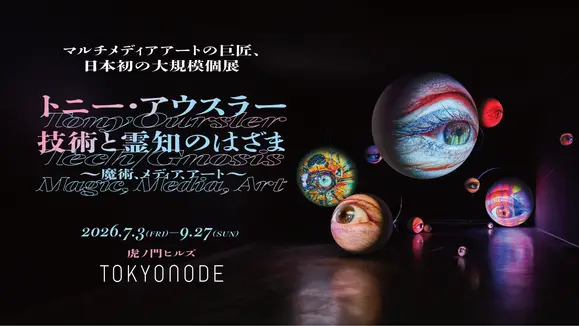
Known for his immersive installations combining video, sculpture, sound, light, and language, Tony Oursler has long explored the intersections of technology, psychology, belief, and society. This major exhibition spans his career from early works to new installations, accompanied by archival materials on science, magic, and paranormal phenomena.
Venue: Tokyo Node
Dates: July 3 – September 27

【Tokyo】Takashima Yajuro: 50 Years after His Passing (The Shoto Museum of Art)
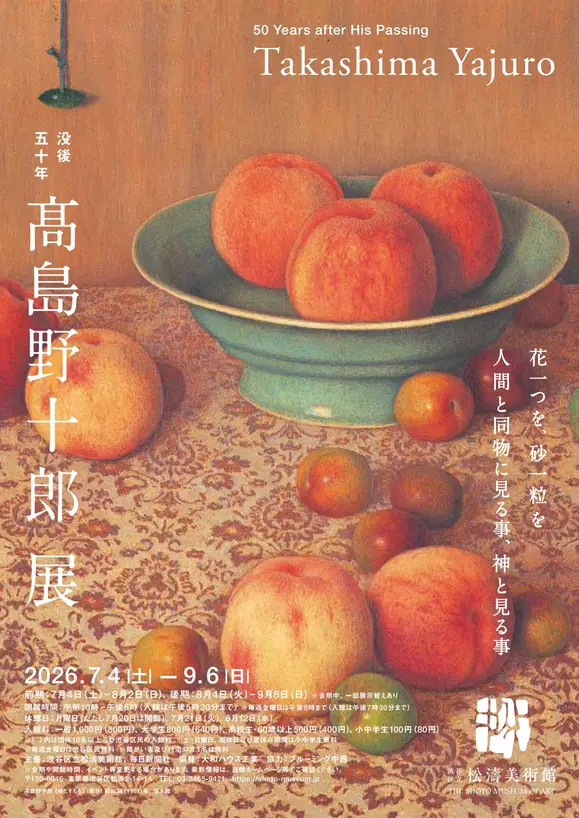
A major retrospective of Nojiro Takashima, the self-taught genius painter from Fukuoka. Takashima forged a distinctive artistic path, free from the bounds of any artistic movement or trends. The exhibition features around 150 works, including masterpieces and newly exhibited paintings, alongside letters and diaries which can help to understand the unique psyche of this mysterious artist.
Venue: The Shoto Museum of Art
Dates: July 4 – September 6
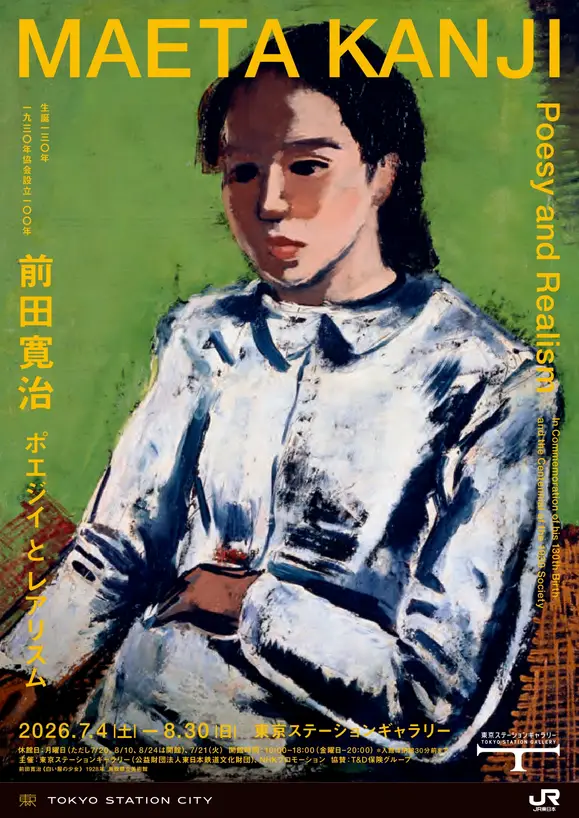
【Tokyo】Maeta Kanji — Poesy and Realism: In Commemoration of his 130th Birth and the Centennial of the 1930 Society (Tokyo Station Gallery)
This exhibition celebrates the 130th anniversary of Kanji Maeta, whose brief career left a lasting mark on modern Japanese painting. Tracing the unique mix of poetic sensibility and realism, the exhibition also commemorates the 100th anniversary of the 1930 Association, featuring works by Maeta’s contemporaries - Katsuzo Satomi and Yuzo Saeki.
Venue: Tokyo Station Gallery
Dates: July 4 – August 30
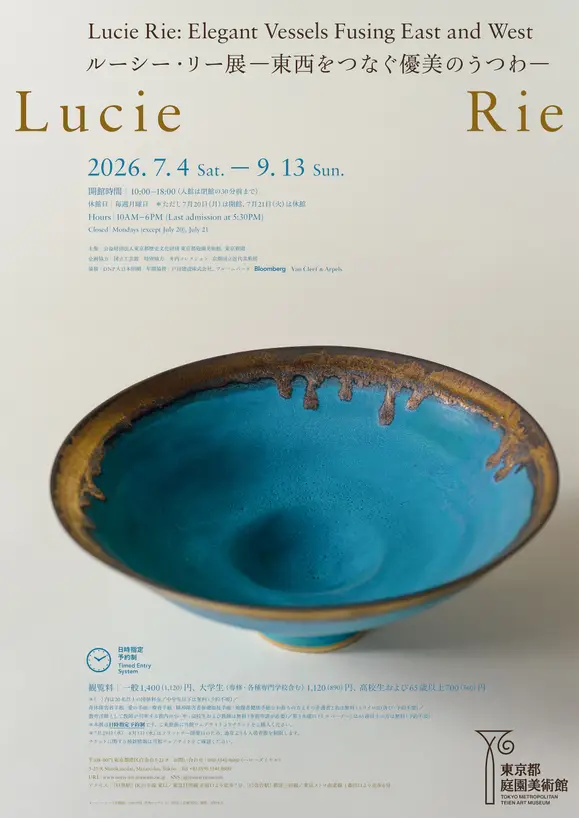
【Tokyo】Lucie Rie: Elegant Vessels Fusing East and West (Tokyo Metropolitan Teien Art Museum)
The first major retrospective of Lucie Rie in Japan in nearly a decade. Tracing her journey from Vienna to London, the exhibition explores her distinctive ceramic practice alongside works by artists she engaged with, including Josef Hoffmann, Bernard Leach, and Hans Coper. It also examines Rie's dialogue with East Asian ceramics and the enduring elegance of her forms.
Venue: Tokyo Metropolitan Teien Art Museum
Dates: July 4 – September 13
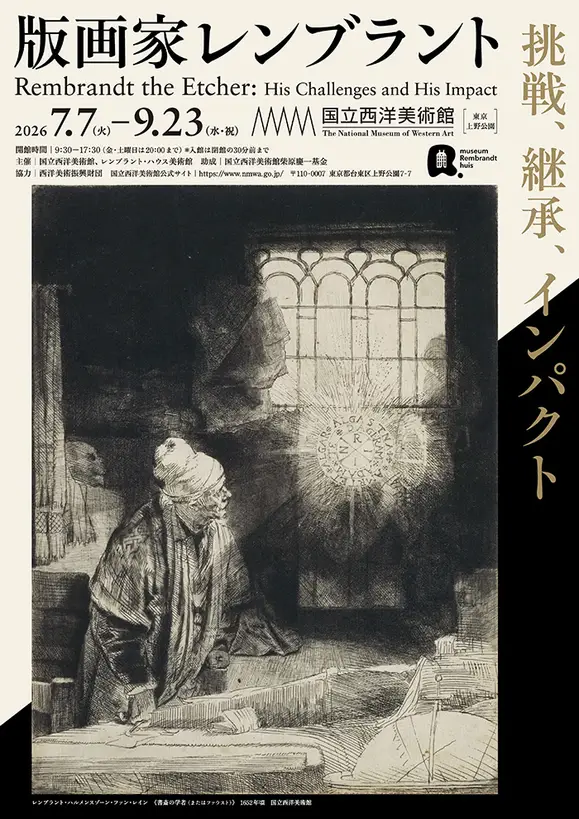
【Tokyo】Rembrandt the Etcher: His Challenges and His Impact (National Museum of Western Art)
Focusing on Rembrandt's remarkable etchings, this exhibition explores his lasting influence on generations of printmakers. Centered on works from the Rembrandt House Museum, it also brings together prints, books, and archival materials from museums, university libraries, and private collections in Japan and abroad.
Venue: National Museum Of Western Art, Tokyo
Dates: July 7 – September 23
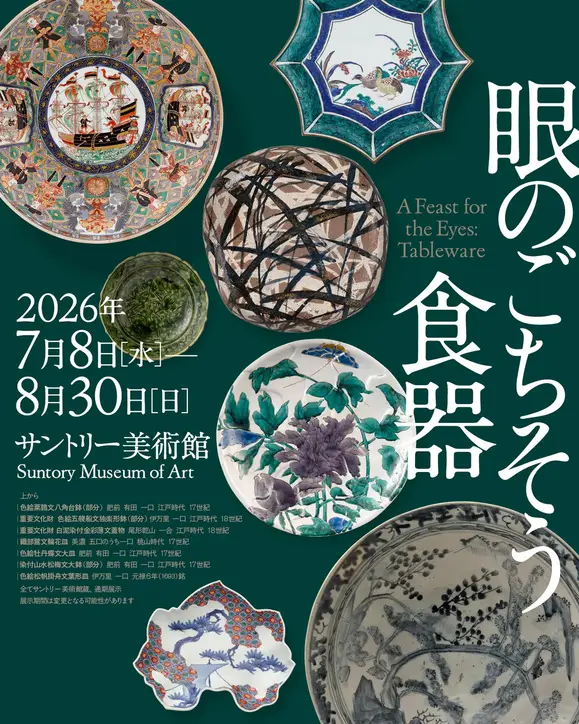
【Tokyo】A Feast for the Eyes: Tableware (Suntory Museum of Art)
This exhibition explores he artistry of tableware centered around Japanese and Chinese ceramics. These vessels adorned with seasonal motifs, auspicious symbols, and expressions of hospitality can help us discover how dining utensils have reflected cultural and aesthetic values around the globe.
Venue: Suntory Museum of Art
Dates: July 8 – August 30
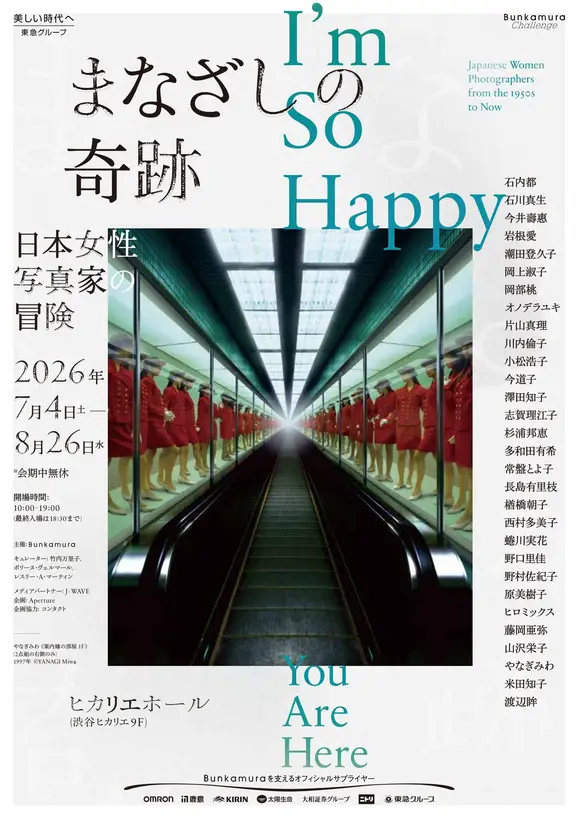
【Tokyo】I’m So Happy You Are Here: Japanese Women Photographers from the 1950s to Now (Shibuya Hikarie Hall)
This exhibition highlights the journey of Japanese women photographers, whose works have often been underrepresented in photographic history. Their art addresses memory, body, and gender, offering a fresh perspective on Japanese photography.
Venue: Shibuya Hikarie Hall
Dates: July 4 – August 26
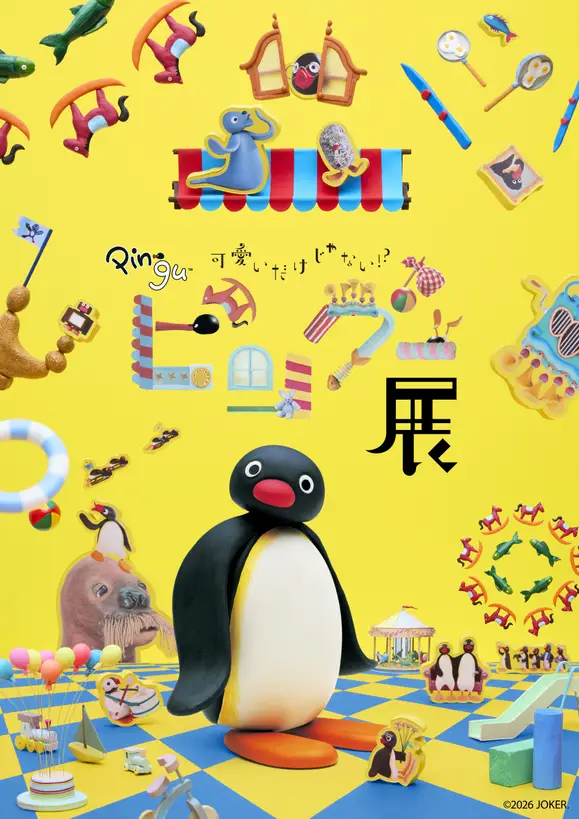
【Tokyo】More Than Just Cute!? The Pingu Exhibition
Do you know Pingu, a character from Swiss animation? This immersive exhibition explains Pingu’s playful personality through original clay models, interactive experiences, and Instagram-worthy installations. Join Pingu and his friends for a joyful journey.
Venue: Yurakucho Museum
Dates: Jul 10 – Sep 6
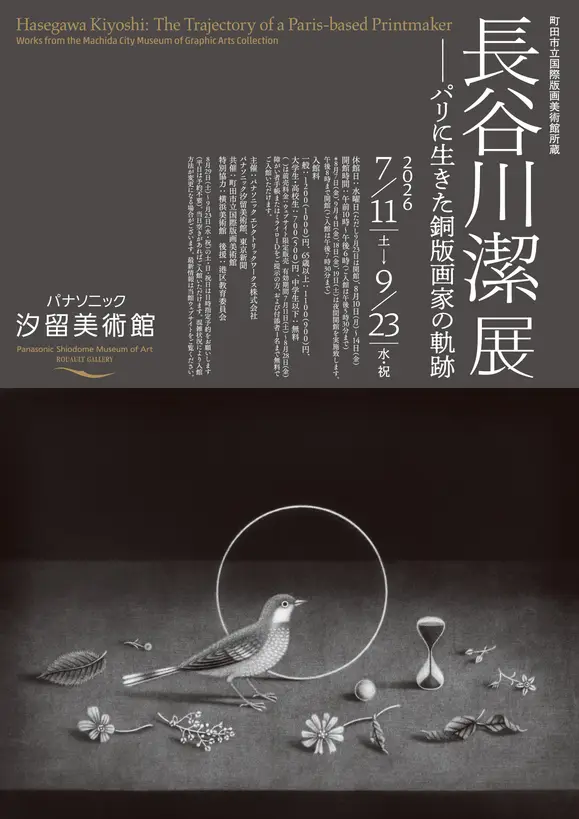
【Tokyo】Kiyoshi Hasegawa from the Machida City Museum of Graphic Arts Collection (Panasonic Shiodome Museum of Art)
A retrospective of Kiyoshi Hasegawa, one of Japan's greatest printmakers, who spent most of his life in France and revived the nearly forgotten mezzotint technique. The exhibition traces the evolution of his unique monochrome world, also featuring prints by earlier European masters such as Henri Matisse and Raoul Dufy.
Venue: Panasonic Shiodome Museum of Art
Dates: July 11 – September 23
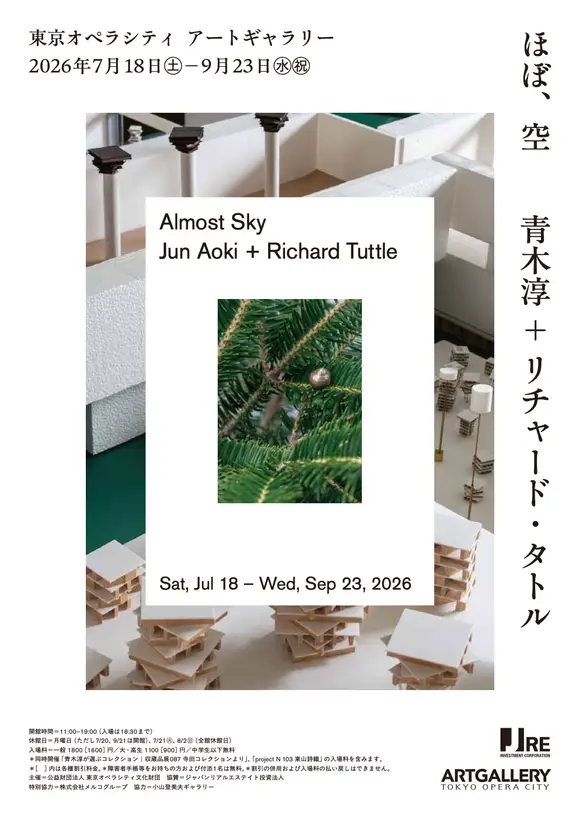
【Tokyo】Almost Sky: Jun Aoki + Richard Tuttle (Tokyo Opera City Art Gallery)
This exhibition brings together Richard Tuttle, the artist, and Jun Aoki, the architect, to explore the intersection of art and architecture. This dialogue transforms the gallery into a space where both disciplines open new possibilities for both artists and visitors.
Venue: Tokyo Opera City Art Gallery
Dates: July 18 – September 23
【Tokyo】Nam June Paik | Jugemu: 20 Years After (Watari-um Museum of Contemporary Art)
This large-scale exhibition revisits the visionary ideas of Nam June Pail, father of today's video art. Questioning the sense of art and the human nature in the age of AI and emerging technologies, the show bring the light to Paik's artistis journey as adventurer, thinker, and philosopher through the works that remain strikingly relevant today.
Venue: Watari-um, The Watari Museum of Contemporary Art
Dates: July 19 – November 23
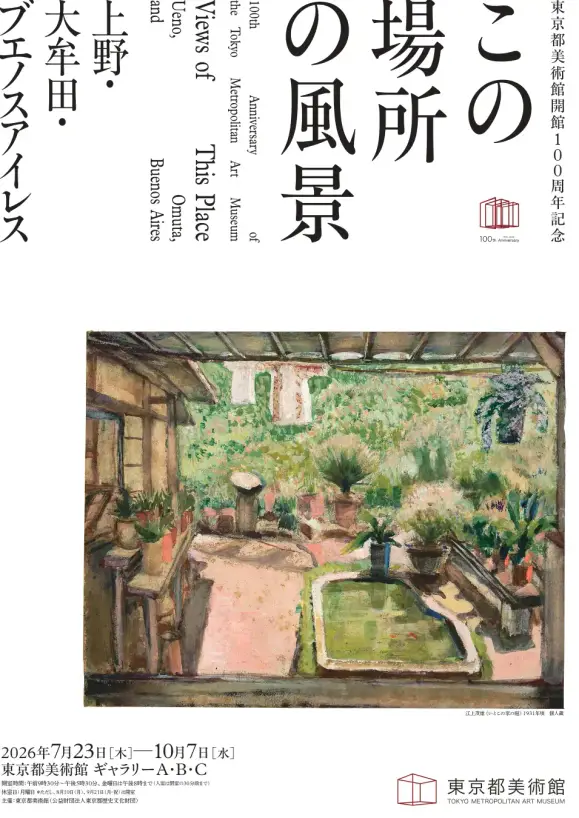
【Tokyo】100th Anniversary of the Tokyo Metropolitan Art Museum Views of This Place-Ueno, Omuta, and Buenos Aires (Tokyo Metropolitan Art Museum)
Celebrating the museum's centenary, this exhibition explores its history through three places connected through art and memory. This show traces the museum's origins in Ueno, introduces the landscapes of mining towns in Kyushu painted by Shigeo Egami, and recounts the stories of Japanese immigrants in Argentina through one of the museum's earliest acquisitions.
Venue: Tokyo Metropolitan Art Museum
Dates: July 23 – October 7
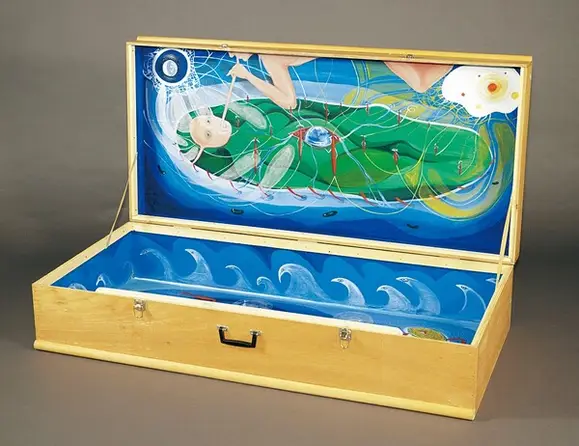
【Tokyo】Museum Treasure Hunt! (Fuchu Art Museum)
How would you describe a "treasure" to a child? This interactive exhibition encourages both kids and adults to search for the "treasures" hidden in the museum. Paintings, sculptures, and photographs become clues in a playful journey that also invites visitors to reflect on what the concept of treasure means to them.
Venue: Fuchu Art Museum
Dates: July 25 – September 6
◎Japan
【Hokkaido】teamLab Future Park Hakodate (Hokkaido Hakodate Museum of Art)
This interactive show by the famous teamLab project invites visitors to build the exhibition themselves and create a new world filled with fantasy, dreams and hopes.
Venue: Hakodate Museum of Art, Hokkaido
Dates: July 25 – September 23
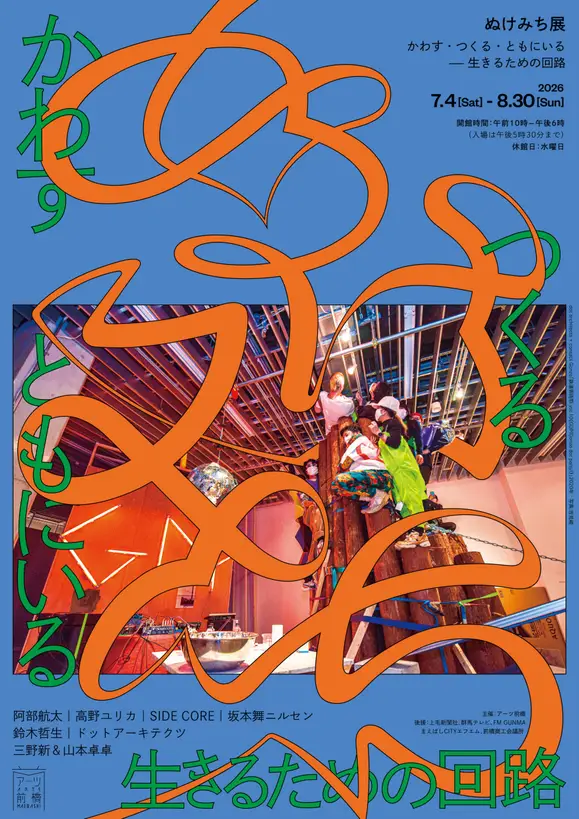
【Gunma】The Secret Pass Exhibition: Passing, Creating, and Being Together—Circuits for Living (Arts Maebashi)
Bringing together seven artists and collectives, this exhibition proposes "escape routes" as creative alternative to the anxiety and constraints of contemporary society. The artists explore new ways of connecting with themselves and the world around them through performances, art practice and socially engaged art.
Venue: Arts Maebashi
Dates: July 4 – August 30
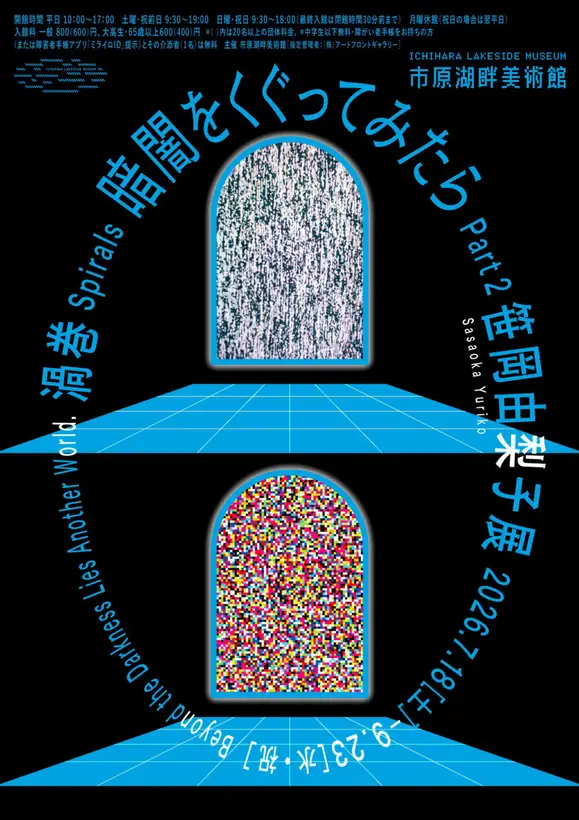
【Chiba】Beyond the Darkness Lies Another World. Part 2: Sasaoka Yuriko Spirals (Ichihara Lakeside Museum)
The second part of Ichihara Lakeside Museum's exhibition series transforms the art space into an immersive world inspired by memories of villages submerged beneath Takataki Dam and an unrealized project of the underwater sculpture park. This time Yuriko Sasaoka creates a site-specific installation where local history and imagination intertwine and inspire.
Venue: Ichihara Lakeside Museum
Dates: July 18 – September 23
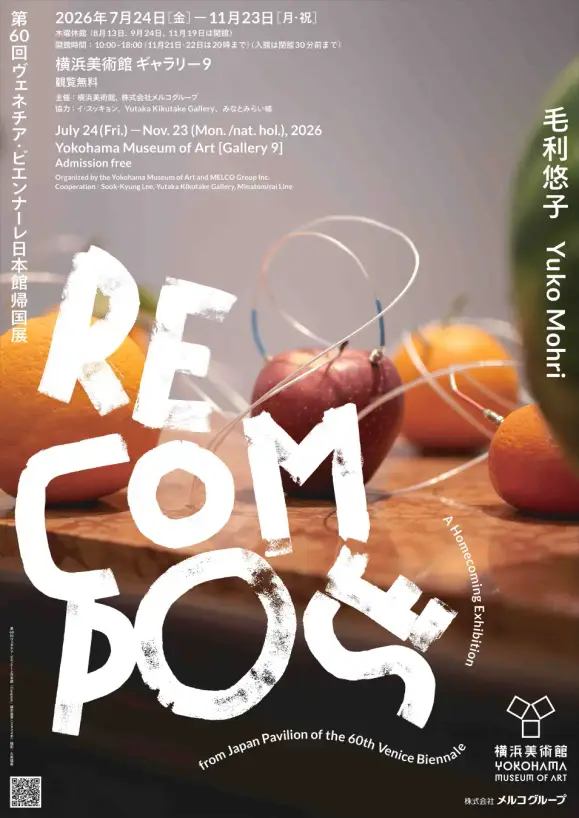
【Kanagawa】Yuko Mohri Recompose - A Homecoming Exhibition from Japan Pavilion of the 60th Venice Biennale (Yokohama Museum of Art)
Following the presentation at the Japan Pavilion of the 60th Venice Biennale, Yuko Mohri's installation returns to Japan in a renewed form. Using everyday objects, natural materials, and mechanical devices, Mohri creates artistic space animated by unpredictable movements, light, and sound.
Venue: Yokohama Museum of Art
Dates: July 24 – November 23
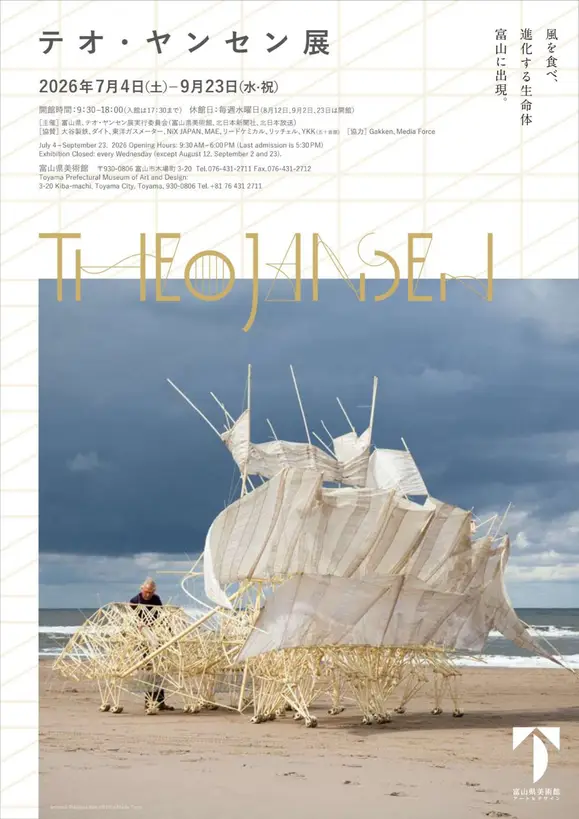
【Toyama】Theo Jansen Exhibition (Toyama Prefectural Museum of Art and Design)
Strandbeests aka the wind-powered art pieces by Dutch artist Theo Jansen are coming to Toyama. The exhibition offers a sneak-peak into Jansen's fusion of art, engineering, and biology, featuring sketches, prototypes, and videos, documenting his artistic evolution.
Venue: Toyama Prefectural Museum of Art and Design
Dates: July 4 – September 23
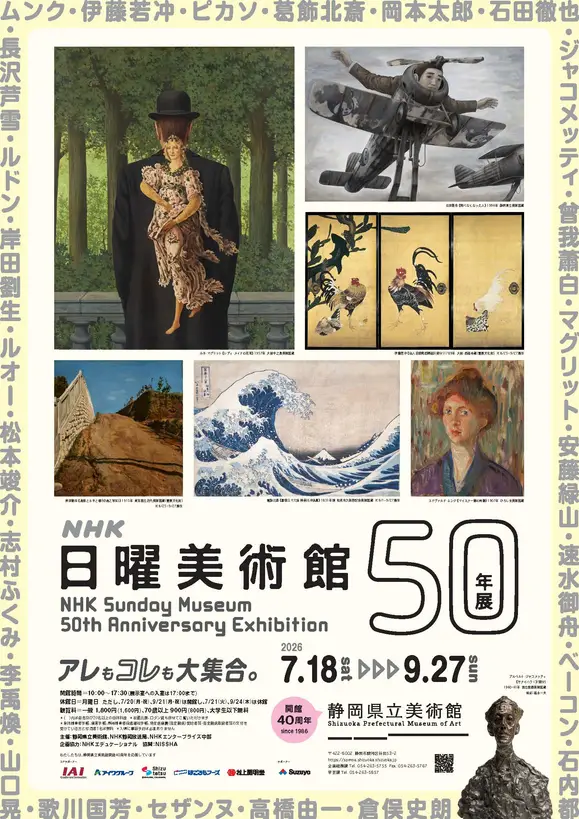
【Shizuoka】NHK Sunday Museum 50th Anniversary Exhibition (Shizuoka Prefectural Museum of Art)
Celebrating the 50th anniversary of NHK's long-running arts program “Sunday Museum”, this exhibition features over 100 masterpieces introduced on the show alongside interviews, archival materials, and high-definition footage reflecting five decades of art broadcasting.
Venue: Shizuoka Prefectural Museum of Art
Dates: July 18 – September 27
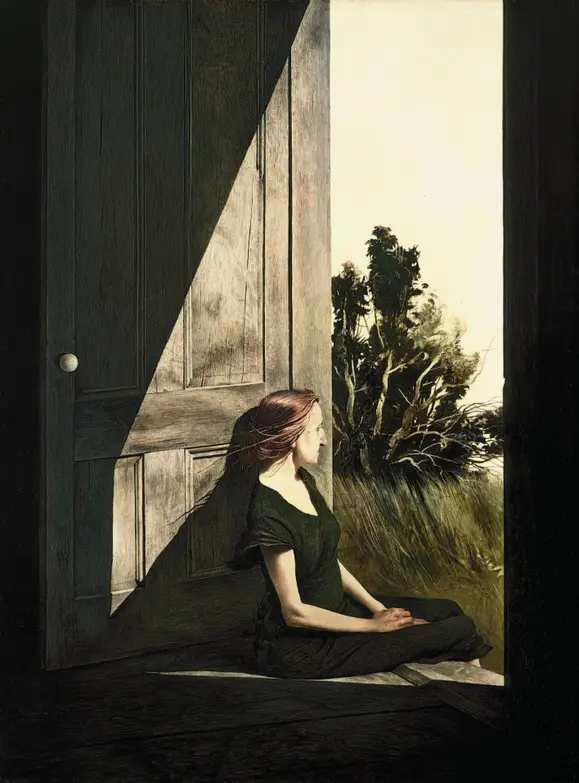
【Aichi】Andrew Wyeth Boundaries or Windows (Toyota Municipal Museum of Art)
This retrospective of American artist Andrew Wyeth features the intimate vision of people and landscapes, focusing on how Wyeth transformed everyday life scenes into deeply personal reflections, dialogues, and philosophical questioning of life itself.
Venue: Toyota Municipal Museum of Art
Dates: July 18 – September 23
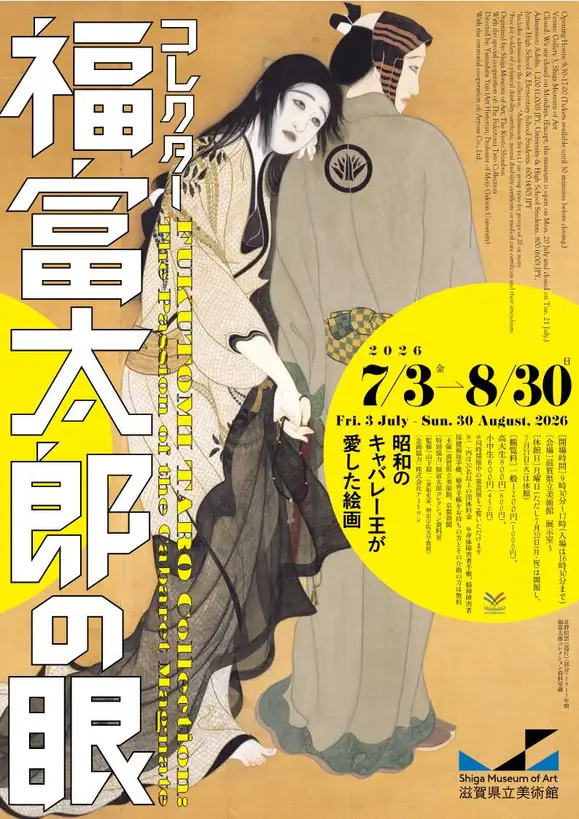
【Shiga】The Eye of Taro Fukutomi - The Collection of Showa's Cabaret King (Shiga Museum of Art)
Businessman Fukutomi Taro, known as the King of Cabaret, was a successful businessman who opened cabarets throughout Japan during the period of high economic growth after World War II. He also assembled one of Japan's most remarkable art collections, focusing more on his preferences than the popularity of an artist. This exhibition presents an overview of the collection, including works by Kiyokata Kaburagi and more than 80 paintings spanning the Meiji period to the 1960s.
Venue: Shiga Museum of Art
Dates: July 3 – August 30
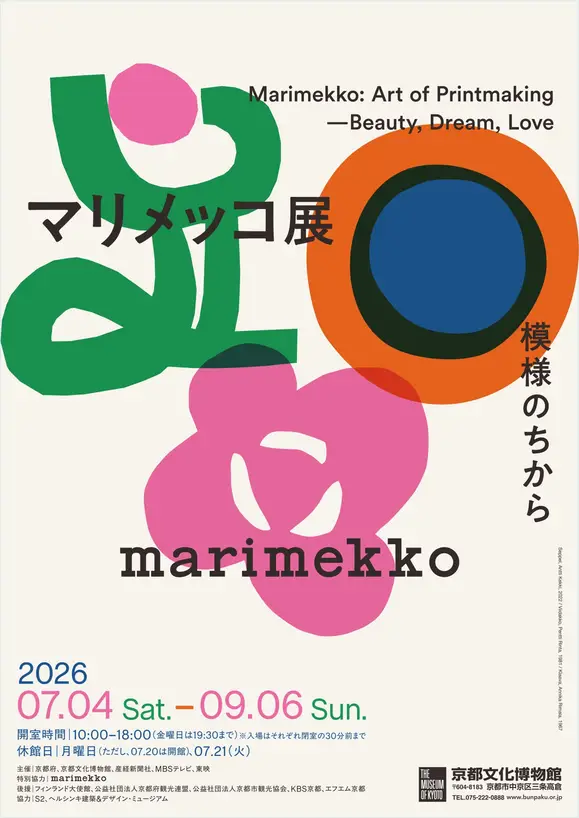
【Kyoto】Marimekko: Art of Printmaking –Beauty, Dream, Love (The Museum of Kyoto)
Marimekko is a Finnish design house founded in 1951. The unmistakable Marimekko prints have always been worn as bold badges of positivity and personal freedom. This exhibition celebrates the history of Marimekko's creativity and showcases dresses, textiles, artworks, and prints. It also features a video installation by the art collective plaplax and an installation by designer Akira Minagawa.
Venue: The Museum of Kyoto
Dates: July 4 – September 6
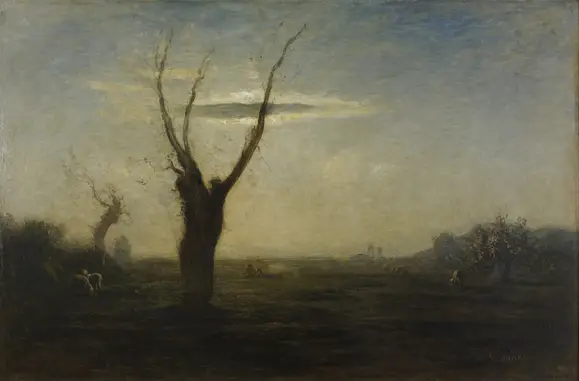
【Kyoto】Antonio Fontanesi-Landscape as Painting between Meiji Japan and Europe (The National Museum of Modern Art, Kyoto)
Antonio Fontanesi, an Italian painter who lived in Meiji period Japan between 1876 and 1878, has devoted his life to the landscape painting. Influenced by the Barbizon School and J.M.W. Turner, Fontanesi devoted his life to capturing the subtle change of light, shadow, and nature scenery.
Venue: The National Museum of Modern Art, Kyoto
Dates: July 18 – October 4
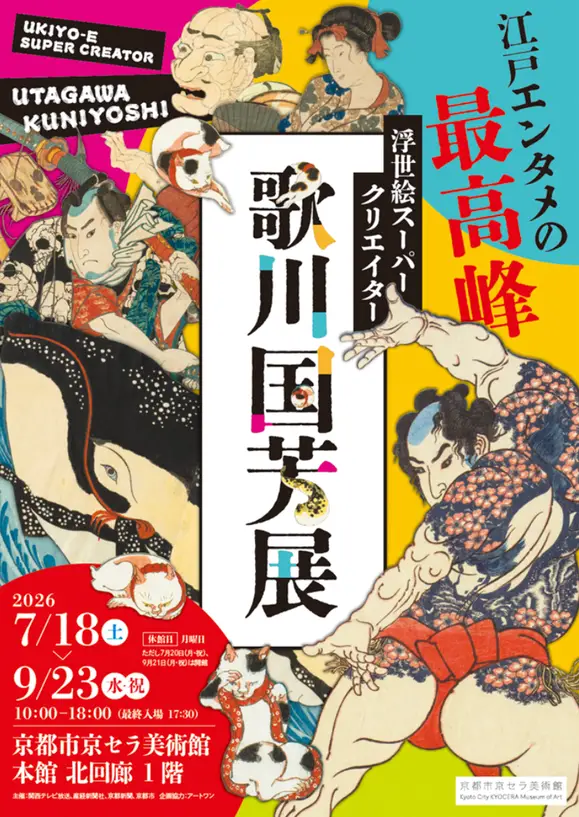
【Kyoto】Ukiyo-e Super Creator Utagawa Kuniyoshi (Kyoto City Kyocera Museum of Art)
Featuring around 200 prints, this exhibition celebrates the extraordinary imagination of Edo-period ukiyo-e master Utagawa Kuniyoshi. From legendary warriors and humorous caricatures to his beloved cat prints, it highlights the remarkable range of one of Japan's most inventive printmakers.
Venue: Kyoto City Kyocera Museum of Art
Dates: July 18 – September 23
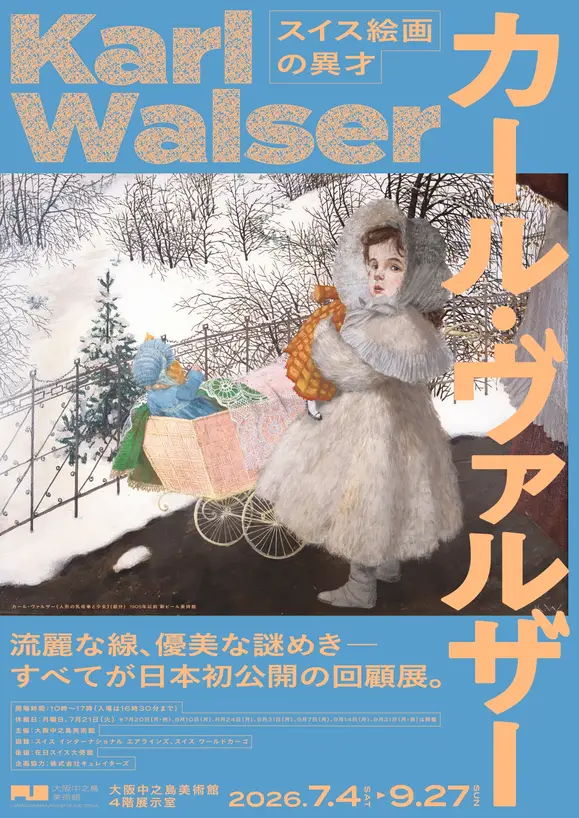
【Osaka】Karl Walser (Nakanoshima Museum of Art, Osaka)
The first retrospective of Swiss artist Karl Walser in Japan introduces around 150 paintings and drawings, all exhibited in the country for the first time. Active across visual art, theater, and publishing, Walser also visited Japan in 1908, producing works inspired by the landscapes and culture of the Meiji era.
Venue: Nakanoshima Museum of Art, Osaka
Dates: July 4 – September 27
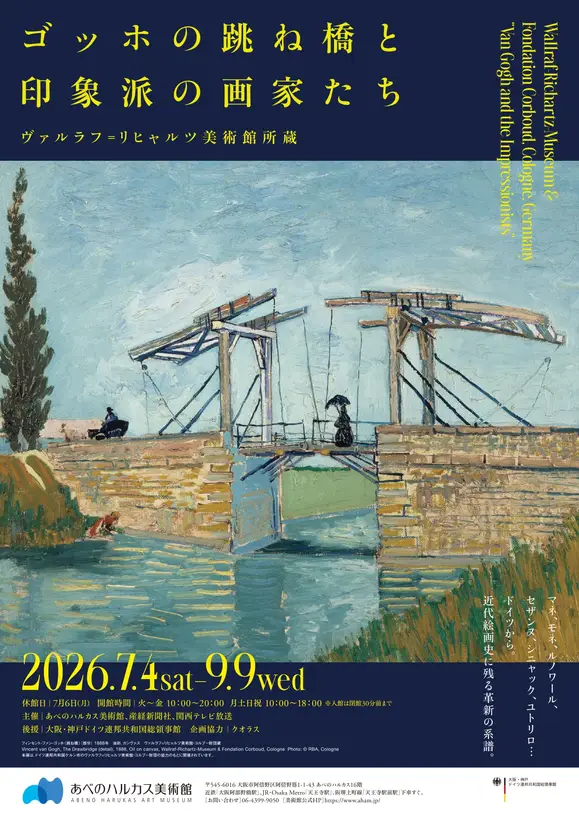
【Osaka】Van Gogh's Drawbridge and the Impressionists (Abeno Harukas Art Museum)
Drawn from the renowned Wallraf-Richartz Museum & Fondation Corboud in Cologne, this exhibition features French Impressionism and its legacy through 70 works by 42 artists, including Manet, Monet, Renoir, Cézanne, Signac, Matisse, Utrillo, and Van Gogh.
Venue: Abeno Harukas Art Museum
Dates: July 4 – September 9
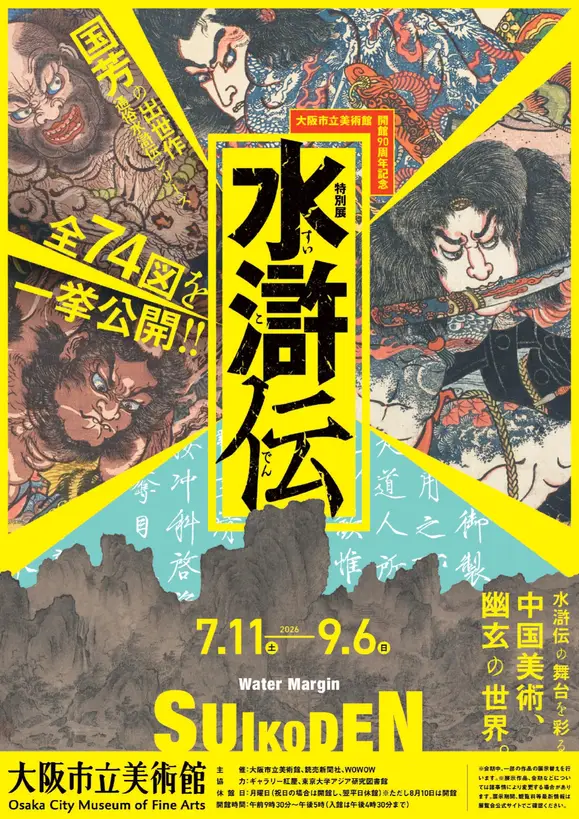
【Osaka】Water Margin (Osaka City Museum of Fine Arts)
Marking the museum's 90th anniversary, this exhibition explores the enduring influence of the Chinese classic Water Margin. Bringing together Chinese art from the Northern Song to the Qing dynasty alongside Japanese works from the Edo period to today, it examines changing ideals, society, and cultural exchange.
Venue: Osaka City Museum of Fine Arts
Dates: July 11 – September 6
【Osaka】Ghibli Park Exhibition (ATC Gallery)
World-famous Ghibli Park (located in Aichi Prefecture) comes to Osaka! This immersive exhibition recreates the park area inside the gallery, allowing visitors to wander inside their favorite Ghibli artworks and interact with familiar characters. Definitely a must see for Ghibli lovers.
Venue: ATC Gallery
Dates: July 18 – September 26
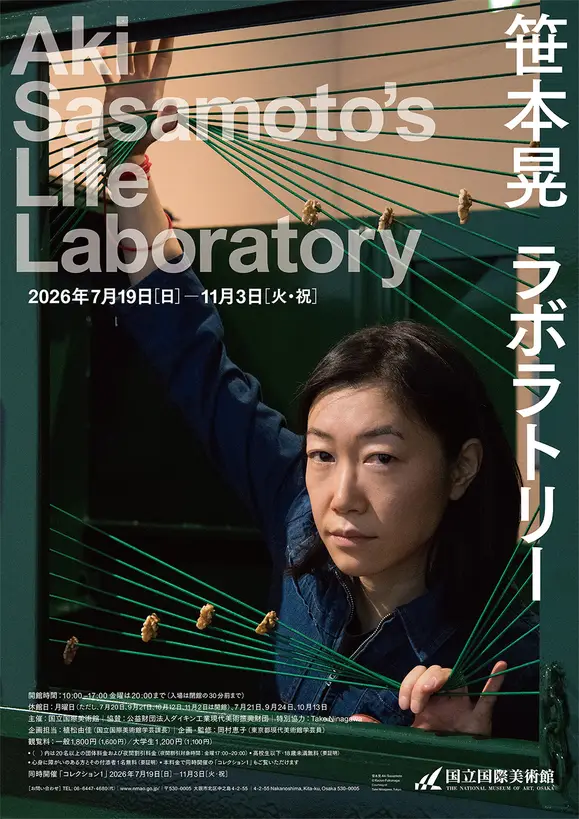
【Osaka】Aki Sasamoto's Life Laboratory (The National Museum of Art, Osaka)
New York-based Akiko Sasamoto presents an overview of her multidisciplinary practice spanning performance, installation, and video art. From early works to recent kinetic installations, the exhibition showcases her playful experimentation and internationally acclaimed improvisational performances.
Venue: The National Museum of Art, Osaka
Dates: July 19 – November 3
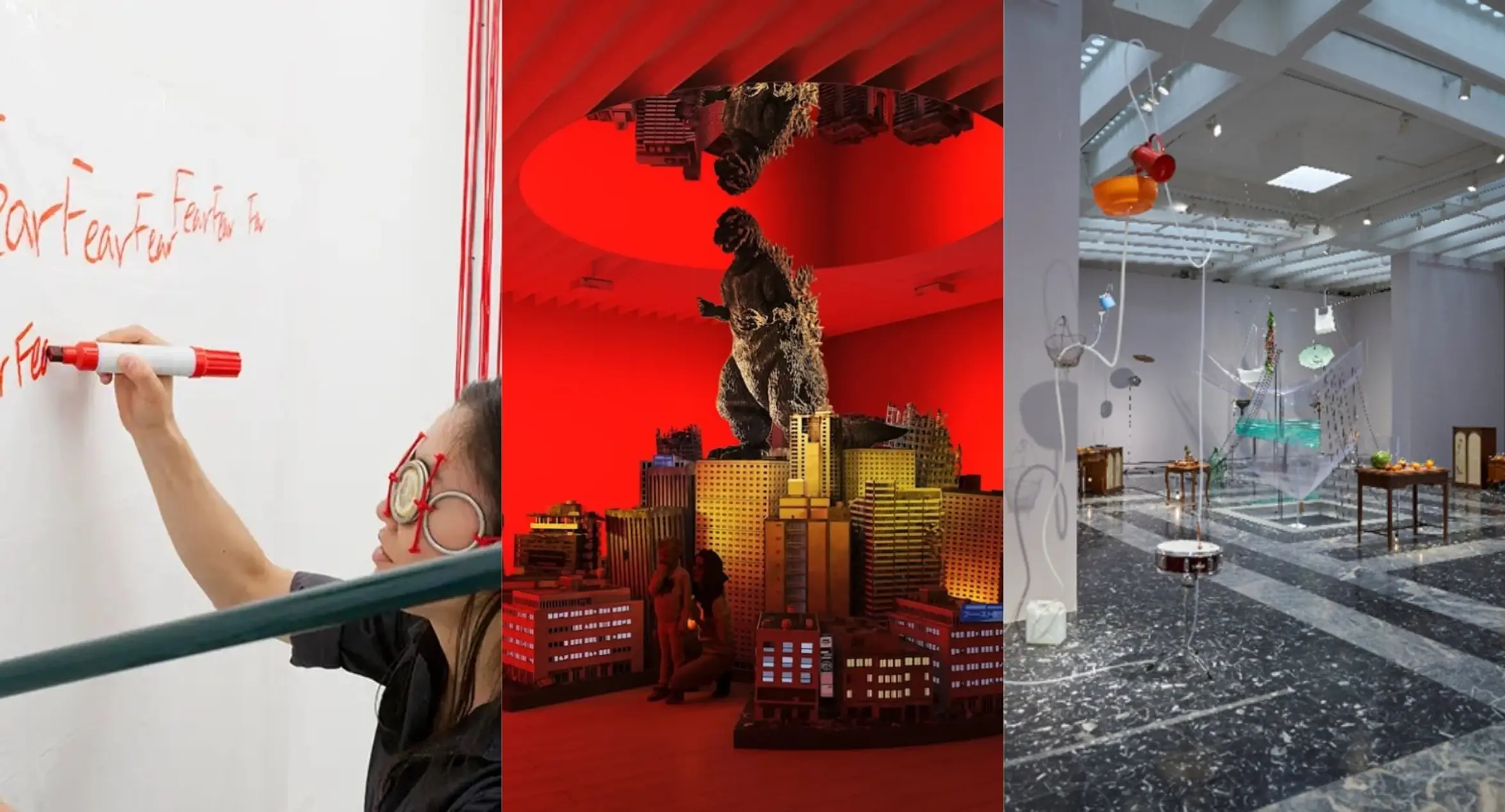
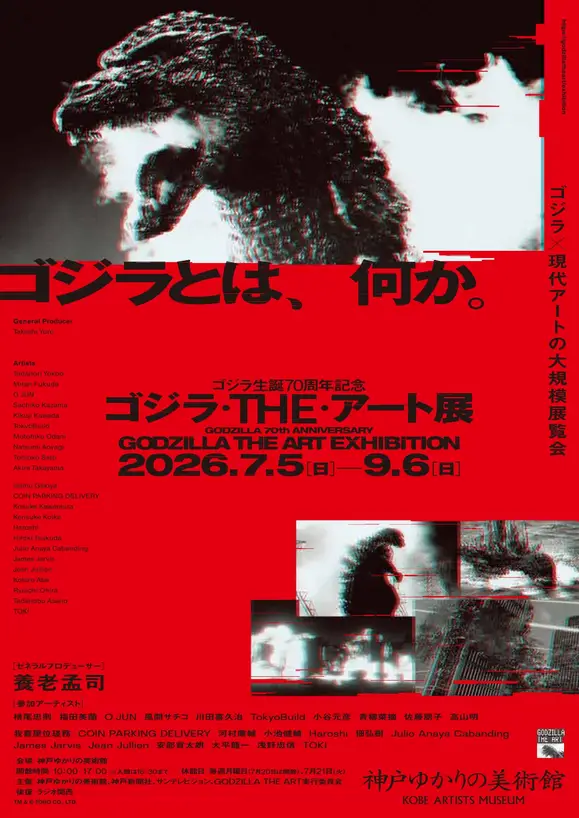
【Hyogo】Godzilla the Art (Kobe Artists Museum)
To celebrate Godzilla's 70th anniversary, this exhibition invites artists from Japan and abroad to reinterpret the iconic monster through contemporary art, asking what Godzilla image represents today.
Venue: Kobe Artists Museum
Dates: July 5 – September 6
【Hyogo】Ghost in The Shell The Exhibition (Hyogo Prefectural Museum of Art)
This first large-scale Ghost in The Shell exhibition is dedicated to celebrate the 30th anniversary of the anime adaptation and explore the creative world of the franchise. More than 1,600 original drawings, storyboards, production materials, and immersive installations are brought together to trace the evolution of the world wide famous series.
Venue: Hyogo Prefectural Museum of Art
Dates: July 17 – August 30
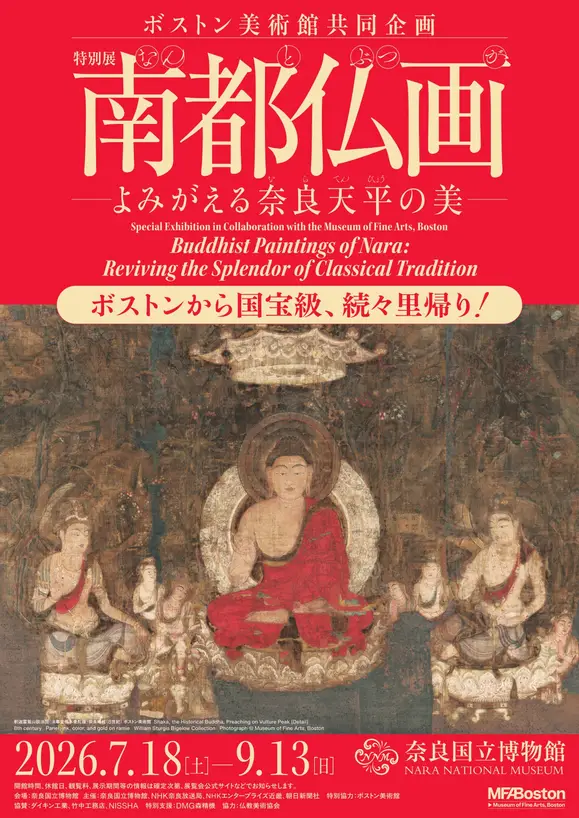
【Nara】Buddhist Painting in Nara— Tenpyo Era (Nara National Museum)
This is the first exhibition devoted to the history of Nanto Buddhist painting. It reunites masterpieces from Japan and the Museum of Fine Arts, Boston and features exceptional Buddhist sculptures, illuminating the rich artistic heritage of ancient Nara.
Venue: Nara National Museum
Dates: July 18 – September 13
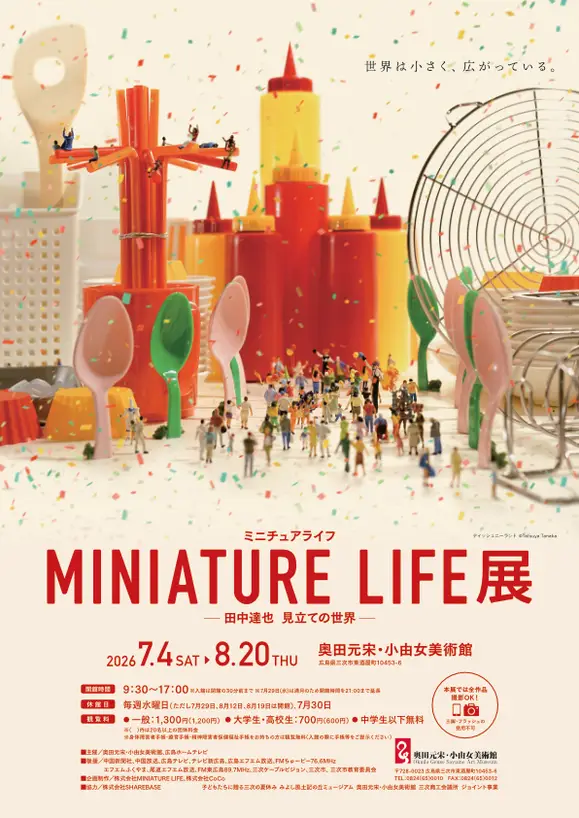
【Hiroshima】Miniature Life Exhibition - Tatsuya Tanaka Mitate Worlds - (Okuda Genso Sayume Museum)
Featuring around 150 miniature photographs and sculptures, this exhibition showcases Tatsuya Tanaka's playful transformations of everyday objects into imaginative worlds. Exclusive installations and photo spots are also included.
Venue: Okuda Genso Sayume Art Museum
Dates: July 4 – August 20
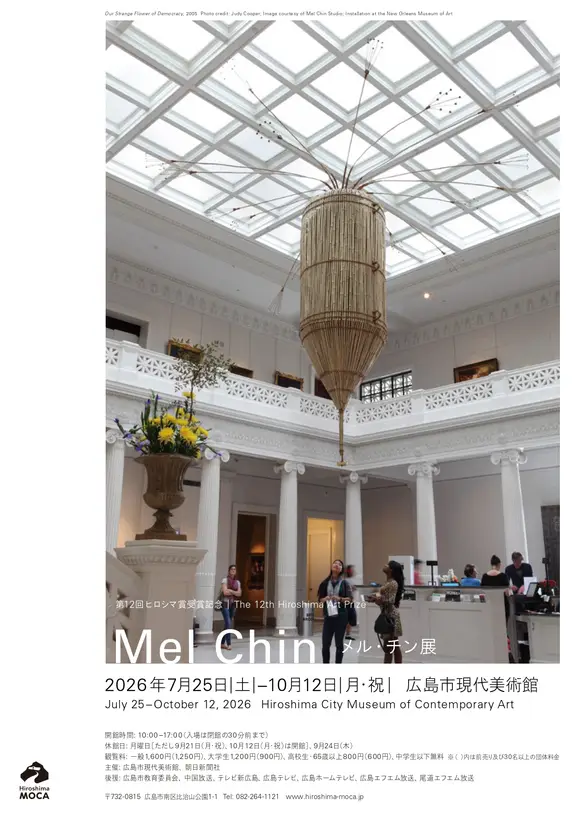
【Hiroshima】The 12th Hiroshima Art Prize Mel Chin (Hiroshima City Museum of Contemporary Art)
This is the first solo exhibition of Mel Chin in Japan, who has just received The 12th Hiroshima Art Prize. Bringing together major works alongside a newly commissioned project created for Hiroshima, it explores Chin's socially engaged practice addressing environmental issues, conflict, and systemic injustice while highlighting art's potential to inspire social change.
Venue: Hiroshima City Museum of Contemporary Art
Dates: July 25 – October 12
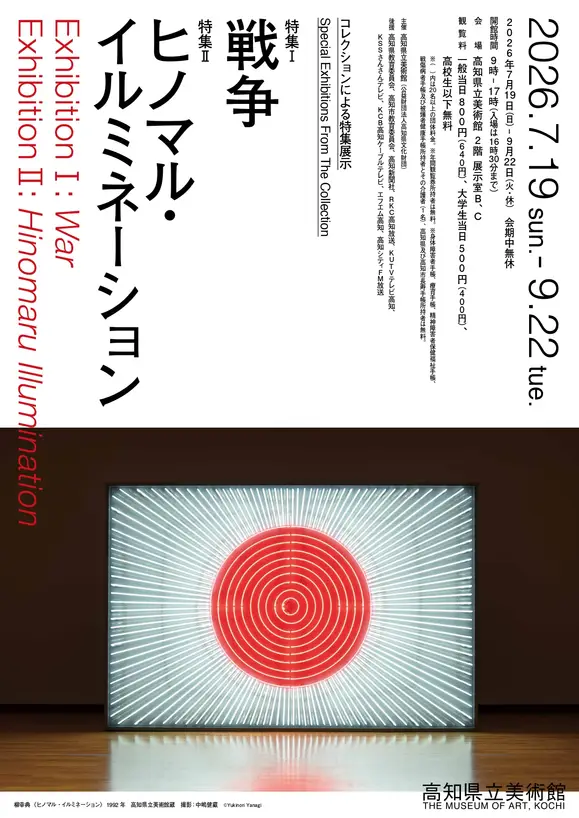
【Kochi】Collection Highlights: War / Hinomaru Illumination (The Museum of Art, Kochi)
Drawn from the museum's collection, this special display pairs Otto Dix's haunting print series The War with Yukinori Yanagi's iconic installation Hinomaru Illumination, inviting reflection on war, national identity, and collective memory.
Venue: The Museum of Art, Kochi
Dates: July 19 – September 22
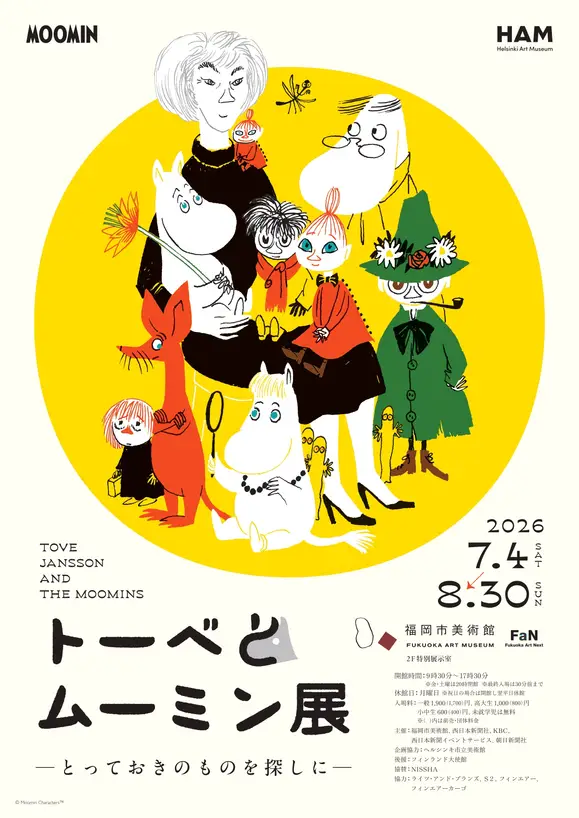
【Fukuoka】Tove Jansson and the Moomins (Fukuoka Art Museum)
Celebrating the 80th anniversary of the Moomin novels, this exhibition features around 300 works by Tove Jansson, including oil paintings, political cartoons, original Moomin illustrations, sketches, personal belongings, and rarely exhibited murals, offering a comprehensive look at the artist behind the beloved characters.
Venue: Fukuoka Art Museum
Dates: July 4 – August 30