Best Exhibitions Starting in October 2026


Tokyo Art Beat presents a selection of the best exhibitions opening in October 2026. Save the exhibitions on the TAB website or TAB app and don't miss the openings and closings.
- ◎Tokyo
- 【Tokyo】Icons and Image Makers Photographs from the National Portrait Gallery (Chanel Nexus Hall)
- 【Tokyo】T3 PHOTO FESTIVAL TOKYO 2026 (Tokyo Midtown Yaesu and other venues)
- 【Tokyo】Marimekko: Art of Printmaking –Beauty, Dream, Love (Tokyo Metropolitan Teien Art Museum)
- 【Tokyo】The World of Mari Yamazaki: Living in the Moment – Carpe Diem (Setagaya Literary Museum)
- 【Tokyo】Katsushika Oi “Night Scene in the Yoshiwara” -The Lineage of Nightscapes (Ota Memorial Museum of Art)
- 【Tokyo】ARTE TOKYO (Waterfront area, Hibiya–Marunouchi area, Yoyogi–Shibuya area)
- 【Tokyo】TOKYO ATLAS International Art Exhibition (Isle Shinagawa, etc.)
- 【Tokyo】European Masterpieces from the Cincinnati Art Museum (The Ueno Royal Museum)
- 【Tokyo】Seeds and Roots: How to Cultivate a City (Tokyo Opera City Art Gallery)
- 【Tokyo】Fontanesi: The Light and Spiritual Landscapes of Italy (Mitsubishi Ichigokan Museum, Tokyo)
- 【Tokyo】Takehisa Yumeji: An Artist Who Defined His Era (The National Museum of Modern Art, Tokyo)
- 【Tokyo】Jam Session: The Ishibashi Foundation Collection × FUJII Hikaru Whose Light? (Artizon Museum)
- 【Tokyo】Turner: Painting the Sublime, in Dialogue with Contemporary Art (The National Museum of Western Art)
- 【Tokyo】Shojo Manga Infinity: Moto Hagio, Ryoko Yamagishi, and Waki Yamato (The National Art Center, Tokyo)
- 【Tokyo】Yoshirotten Exhibition: Communication with the Other Side / Beyond Earth (TOKYO NODE)
- 【Tokyo】Kojima Productions 10th Anniversary Exhibition Beyond the Strand: The Odyssey of Creation and Endeavor (Azabudai Hills Gallery)
- 【Tokyo】Yuasa Ebosi and the Avant-Garde in Postwar Japan: Fables of Metamorphosis (Nerima Art Museum)
- 【Tokyo】Sex in Nature: Mechanisms, Evolution and Biodiversity (National Museum of Nature and Science)
- 【Tokyo】Mariko Mori: All That Shines (Mori Art Museum)
- ◎Japan
- 【Aomori】Shiga Lieko: Nanumokanumo, Anyting and Everything (Aomori Museum of Art)
- 【Ibaraki】Full story "Rey Camoy" (Kasama Nichido Museum of Art)
- 【Chiba】Tatsuo Kawaguchi Relation-Unrelation by the Lake (Ichihara Lakeside Museum)
- 【Toyama】Tsugu minä perhonen (Toyama Prefectural Museum of Art and Design)
- 【Ishikawa】A Design Chronicle: What Was Created? What Changed? (National Crafts Museum)
- 【Ishikawa】From Today to Tomorrow On the Stewardship of a Work (21st Century Museum of Contemporary Art, Kanazawa)
- 【Aichi】Shigeru Hasegawa, paint-Tengu (Toyota Municipal Museum of Art)
- 【Kyoto】The Zen and Studio Ghibli Exhibition (Kyoto City KYOCERA Museum of Art)
- 【Kyoto】The Tale of Genji: Radiant Culture of the Japanese Imperial Court (Kyoto National Museum)
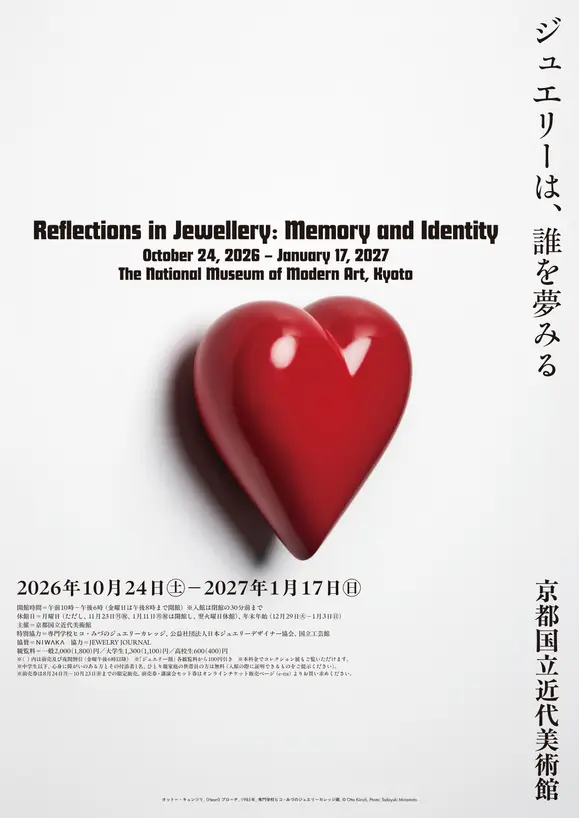
- 【Kyoto】Creating Japanese Jewellery: Personal Expression and Memory (The National Museum of Modern Art, Kyoto)
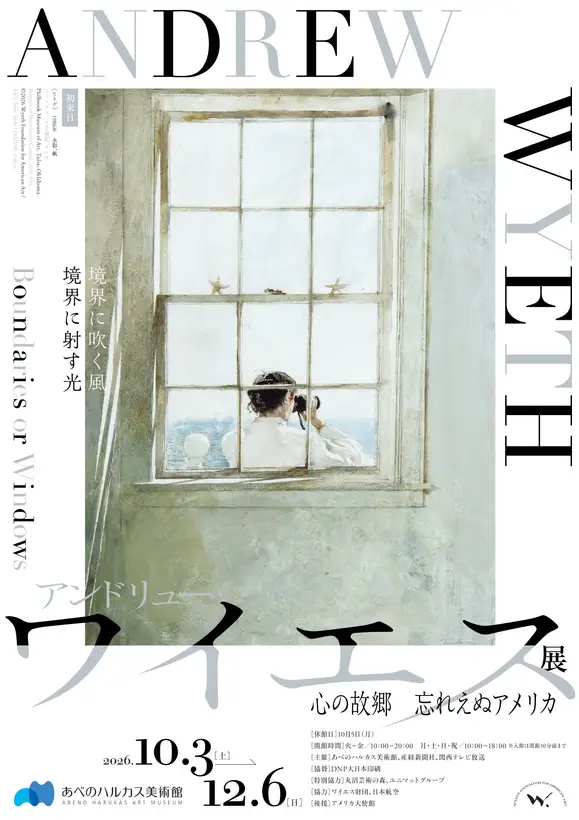
- 【Osaka】Andrew Wyeth —Boundaries or Windows (Abeno Harukas Art Museum)
- 【Osaka】NHK Sunday Museum 50th Anniversary Exhibition (Nakanoshima Museum of Art, Osaka)
- 【Osaka】Edo in Focus: Japanese Treasures from the British Museum (Nakanoshima Museum of Art, Osaka)
- 【Tottori】Maeta Kanji — Poesy and Realism: In Commemoration of his 130th Birth and the Centennial of the 1930 Society (Tottori Prefectural Museum of Art)
- 【Hiroshima】Sugai Kumi - 30 Years After His Death (Hiroshima Prefectural Art Museum)
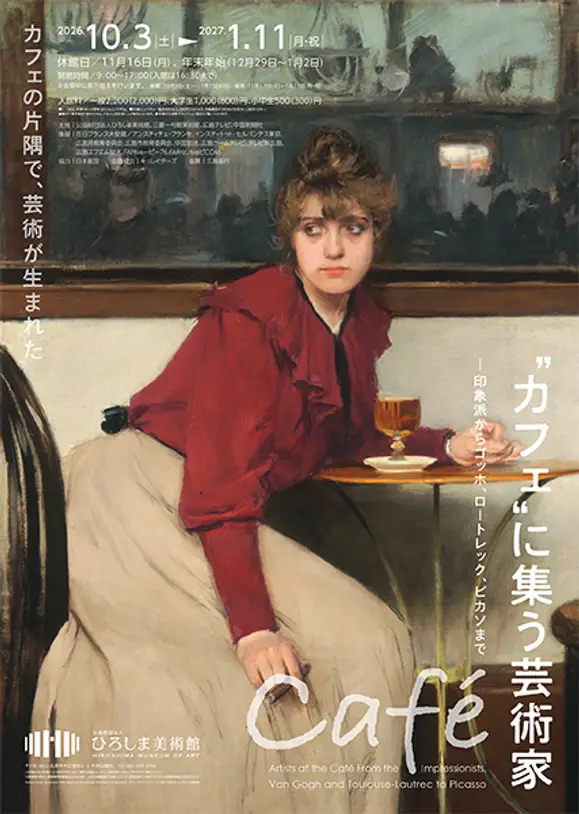
- 【Hiroshima】Artists at the Café: From the Impressionists, Van Gogh and Toulouse-Lautrec to Picasso (Hiroshima Museum of Art)
- 【Hiroshima】Chieo Senzaki Toward the Depths of the Gaze(Hiroshima City Museum of Contemporary Art)
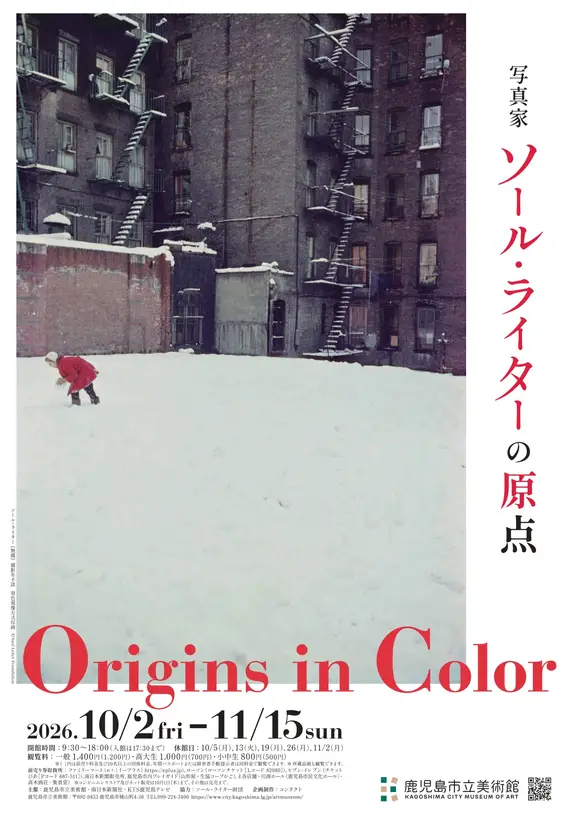
- 【Kagoshima】Saul Leiter: Origins in Color (Kagoshima City Museum of Art)
◎Tokyo
【Tokyo】Icons and Image Makers Photographs from the National Portrait Gallery (Chanel Nexus Hall)
This exhibition brings together portraits of icons from British film, music, and fashion, selected from the renowned photography collection of London's National Portrait Gallery. Through the work of internationally acclaimed photographers, it looks at the figures who have defined British culture and at the appeal of portrait photography as a mirror of its time.
Venue: Chanel Nexus Hall
Dates: October 2 – November 29


 0Posts
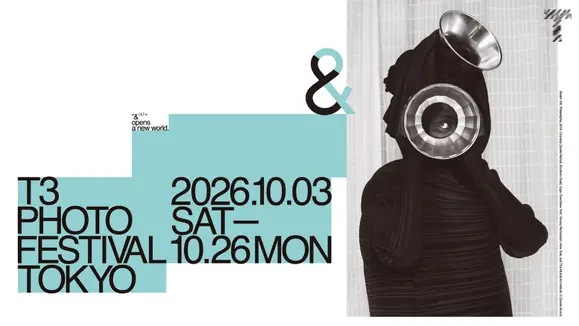
【Tokyo】T3 PHOTO FESTIVAL TOKYO 2026 (Tokyo Midtown Yaesu and other venues)
Built on the idea that culture emerges where three Ts (technology, talent, and tolerance) intersect, the photography festival T3 returns for its eighth edition, welcoming leading artists and curators from major cultural institutions around the world. This year's theme is "to (meaning "and")", the smallest conjunction in Japanese. Together with photographers from across the globe, this festival explores new ways photography can connect people with people and worlds with worlds.
Venue: Tokyo Midtown Yaesu, etc.
Dates: October 3 – October 26
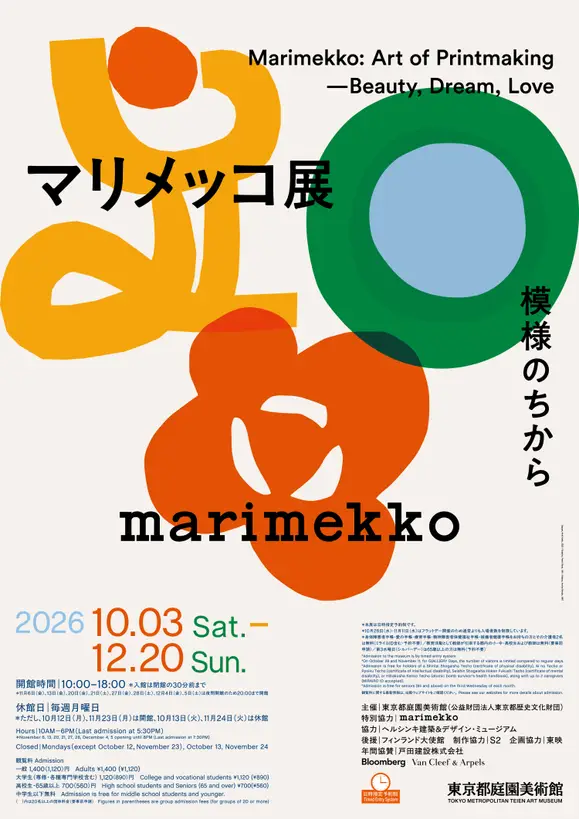
【Tokyo】Marimekko: Art of Printmaking –Beauty, Dream, Love (Tokyo Metropolitan Teien Art Museum)
Marimekko is a design house that has gone beyond fashion and interiors to propose an entire way of living. Taking the words of founder Armi Ratia as its guide, this exhibition explores the brand's creative aesthetic through dresses, artworks, fabrics, and more. Rare works and archival materials are on view with the cooperation of Marimekko and the Architecture & Design Museum Helsinki, alongside video installations and collaborations with Japanese artists.
Venue: Tokyo Metropolitan Teien Art Museum
Dates: October 3 – December 20
20% off with MuPon

【Tokyo】The World of Mari Yamazaki: Living in the Moment – Carpe Diem (Setagaya Literary Museum)
Manga artist, painter, and writer Mari Yamazaki has won a wide following for work that ranges from manga such as her signature Thermae Romae and PLINIVS (co-authored with Tori Miki), winner of the Tezuka Osamu Cultural Prize Grand Prize, to autobiographical essays as well as books on life and art. Alongside manga manuscripts and oil paintings, the exhibition presents many of the words she has drawn from an eventful life, offering a close look at her worldview and outlook on life.
Venue: Setagaya Literary Museum
Dates: October 3 – February 7, 2027
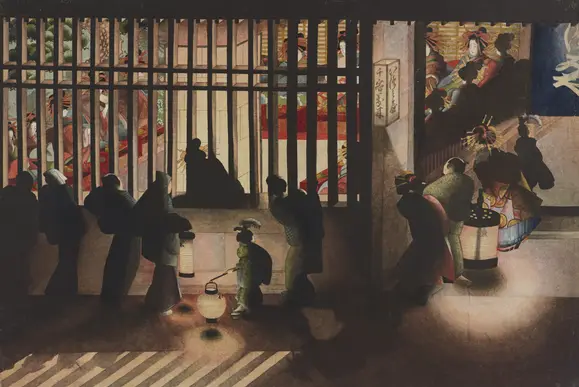
【Tokyo】Katsushika Oi “Night Scene in the Yoshiwara” -The Lineage of Nightscapes (Ota Memorial Museum of Art)
Katsushika Oi was the daughter of Hokusai and an accomplished artist in her own right. This exhibition puts her masterpiece Night Scene in the Yoshiwara, known for its striking depiction of light and darkness, on view for the first time in three years, alongside numerous other nightscapes that trace how night has been portrayed in ukiyo-e. Also featured are celebrated night scenes by ukiyo-e masters including Suzuki Harunobu, Utagawa Hiroshige, and Kobayashi Kiyochika.
Venue: Ota Memorial Museum of Art
Dates: [Part 1] October 6 – November 3, [Part 2] November 7 – December 6
*All works will be rotated between the two periods
【Tokyo】ARTE TOKYO (Waterfront area, Hibiya–Marunouchi area, Yoyogi–Shibuya area)
ARTE TOKYO is an international arts festival made up of a wide range of programs spanning art, theater, music, illuminations, and entertainment. For its inaugural edition in 2026, numerous projects unfold across the city, centered on three core areas: the waterfront, Hibiya–Marunouchi, and Yoyogi–Shibuya.
Venue: Waterfront area, Hibiya–Marunouchi area, Yoyogi–Shibuya area
Dates: October 10 – December 31
【Tokyo】TOKYO ATLAS International Art Exhibition (Isle Shinagawa, etc.)
Held as part of ARTE TOKYO, this international art exhibition is set in Tokyo's waterfront area. Artists from Japan and abroad gather in the city's waterside spaces, including Daiba, Aomi, and Tennozu, to create new landscapes of Tokyo through art. The title evokes both Atlas, the mythological figure, and an atlas of maps. More than a chance to view artworks, the exhibition invites visitors to follow the map that art lays out and to read the city of Tokyo afresh.
Venue: Daiba Park, Odaiba Marine Park, Aomi Minami-Futo Park, underground parking lot (in Aomi Minami-Futo Park), Telecom Center Building, Isle Shinagawa, WHAT MUSEUM
Dates: October 10 – December 20
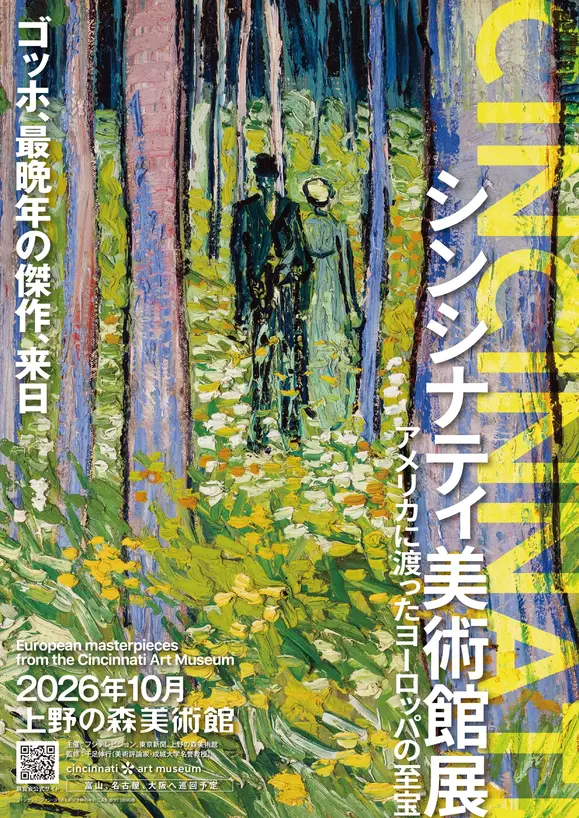
【Tokyo】European Masterpieces from the Cincinnati Art Museum (The Ueno Royal Museum)
84 works from the Cincinnati Art Museum's 145-year collection are coming to Japan, featuring Corot, Cézanne, Monet, and other masters who left their mark on art history. The exhibition traces how European art was received in the United States and nurtured as a collection.
Venue: The Ueno Royal Museum
Dates: October 10 – January 10, 2027
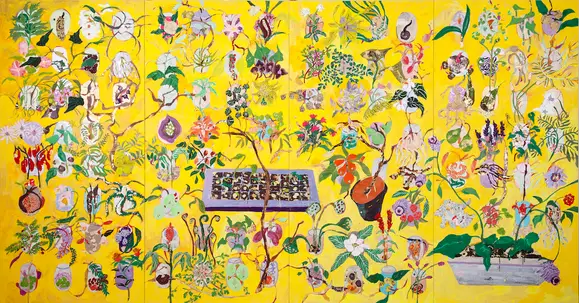
【Tokyo】Seeds and Roots: How to Cultivate a City (Tokyo Opera City Art Gallery)
Now that human activity has become a main driver of environmental change, ecosystems are growing unstable and the line between the natural and the artificial is increasingly blurred. Against this urban backdrop, the exhibition introduces artists whose work seeks to rebuild our relationship with a natural environment in constant flux. Bridging the gallery's past exhibitions across contemporary art, architecture, fashion, and more, it presents works that offer a fresh view of nature in the city.
Venue: Tokyo Opera City Art Gallery
Dates: October 17 – December 20
【Tokyo】Fontanesi: The Light and Spiritual Landscapes of Italy (Mitsubishi Ichigokan Museum, Tokyo)
This is Japan's first major retrospective of Antonio Fontanesi, the Italian painter who taught Chu Asai and other pioneers of Western-style painting in Japan. Organized with the cooperation of GAM (Galleria Civica d'Arte Moderna e Contemporanea, Turin) and Fondazione Torino Musei, it surveys his work from his early career to his final years. Through around 200 works, it also sheds light on his influence and legacy in the art of his Japanese pupils and of Italian artists of his own and the following generation, revealing the full scope of his practice.
Venue: Mitsubishi Ichigokan Museum, Tokyo
Dates: October 17 – January 24, 2027

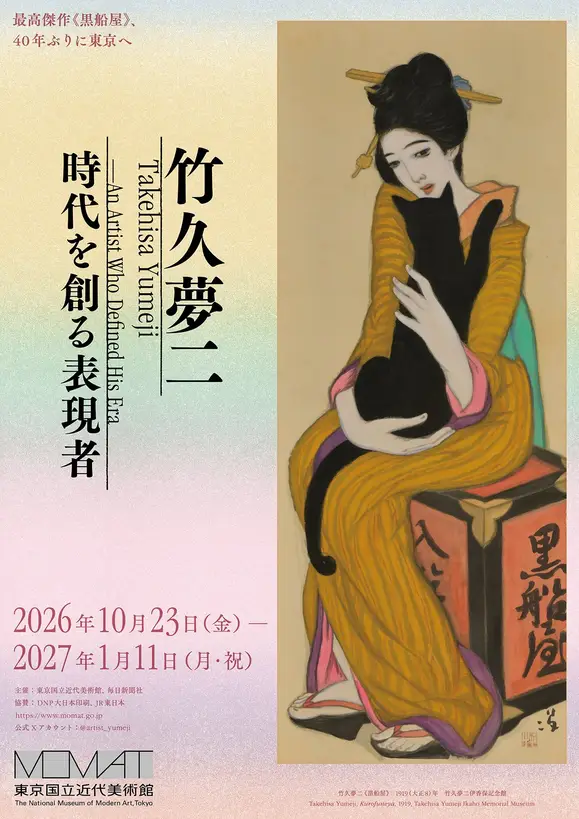
【Tokyo】Takehisa Yumeji: An Artist Who Defined His Era (The National Museum of Modern Art, Tokyo)
Painter, poet, journalist, designer, illustrator: Yumeji Takehisa was a man of many faces. From the late Meiji to the early Showa era, he captured the sensibility of his time and set its trends. This exhibition brings together his masterpiece Kurofuneya along with nihonga, oil paintings, sketches, designs, scrapbooks, and more, exploring the many-sided work of an artist loved well beyond the confines of fine art.
Venue: The National Museum of Modern Art, Tokyo
Dates: October 23 – January 11, 2027
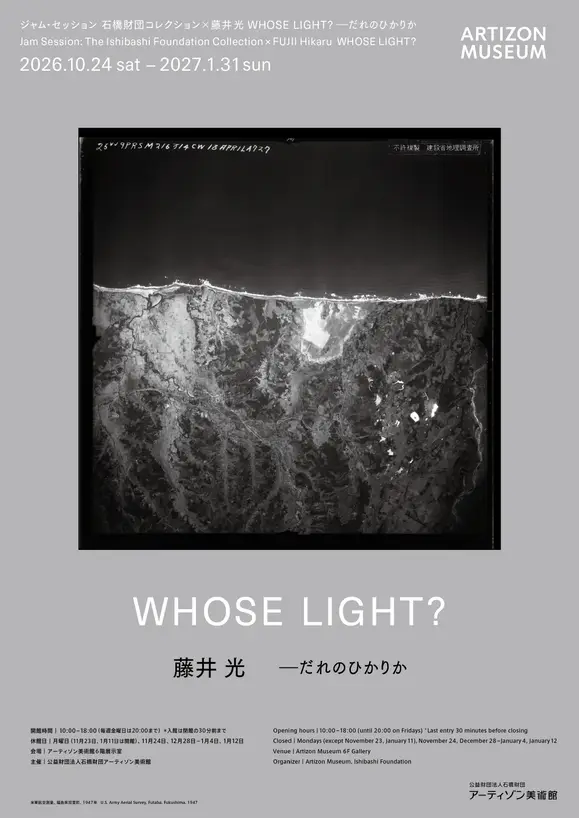
【Tokyo】Jam Session: The Ishibashi Foundation Collection × FUJII Hikaru Whose Light? (Artizon Museum)
This is the seventh edition of Jam Session, a series that pairs the Ishibashi Foundation Collection with a contemporary artist. This time the museum welcomes Hikaru Fujii, who has explored the relationship between art, society, and history through research and fieldwork. Fujii turns to the Allegory of the Cave in Plato's Republic and the question at its center, light as truth. Asking what the light illuminates, and who is casting it, he takes a critical look at the structure of truth itself.
Venue: Artizon Museum
Dates: October 24 – January 31, 2027
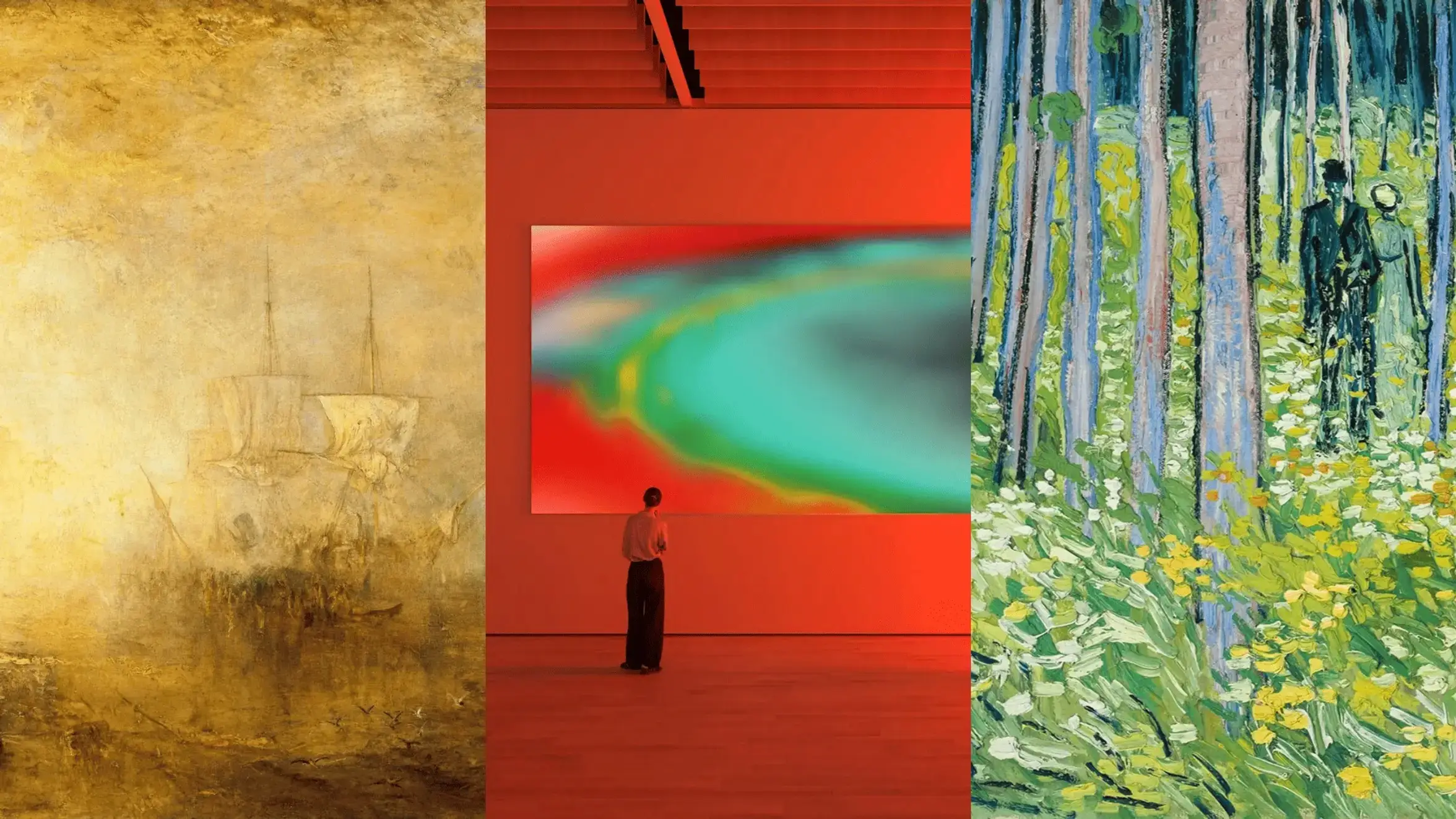
【Tokyo】Turner: Painting the Sublime, in Dialogue with Contemporary Art (The National Museum of Western Art)
J.M.W. Turner is one of the defining painters in the history of British art. Drawing mainly on the Tate collection, this exhibition regroups his works by theme and presents them in a loosely chronological order. Through a dialogue with contemporary art, it also explores how Turner's concerns with light, nature, and the sublime resonate with artists of later generations.
Venue: National Museum Of Western Art, Tokyo
Dates: October 24 – February 21, 2027
¥100 off with MuPon

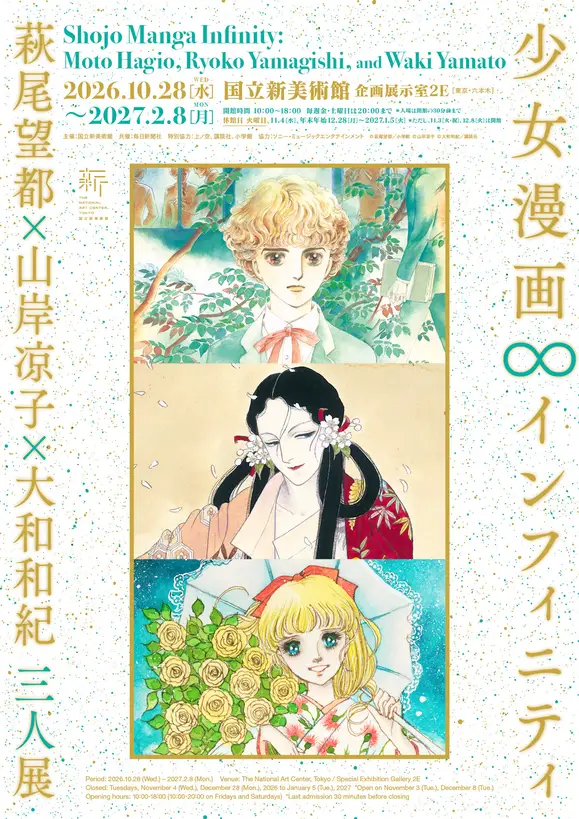
【Tokyo】Shojo Manga Infinity: Moto Hagio, Ryoko Yamagishi, and Waki Yamato (The National Art Center, Tokyo)
This three-artist exhibition traces the careers of Moto Hagio, Ryoko Yamagishi, and Waki Yamato, leading figures of shojo manga. All three debuted in the late 1960s and greatly expanded the possibilities of expression during the genre's golden age in the 1970s. Through original drawings from their best-known works and rare archival materials, the exhibition explores each artist's creative path and sources of inspiration, offering a fresh look at the richness of expression shojo manga has built.
Venue: The National Art Center, Tokyo
Dates: October 28 – February 8, 2027
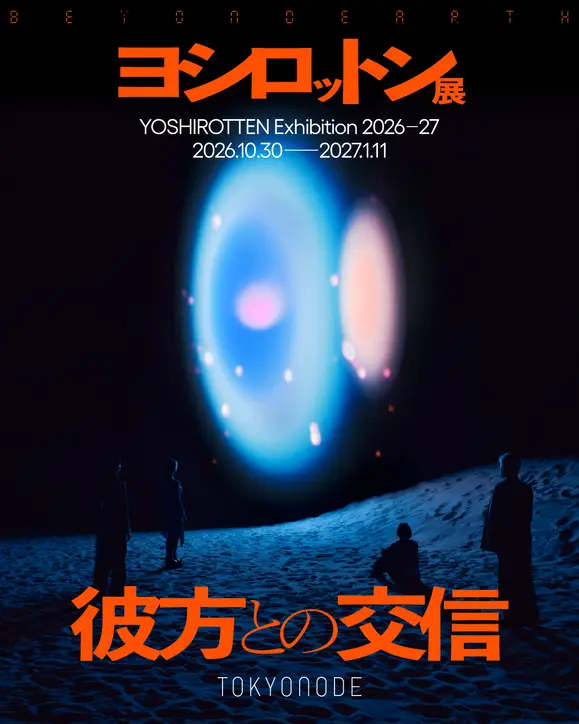
【Tokyo】Yoshirotten Exhibition: Communication with the Other Side / Beyond Earth (TOKYO NODE)
This is an exhibition by graphic artist Yoshirotten. Raised on the Osumi Peninsula in Kagoshima, the launch site of Japan's first satellite, he developed his sensibility in a setting where views of nature and of outer space intersect. The exhibition is conceived as a stage device for taking in, through the human body, the information science has gathered about the universe and the Earth. Humanity's long pursuit of "the beyond" through science and spirituality emerges here as abstract imagery.
Venue: Tokyo Node
Dates: October 30 – January 11, 2027
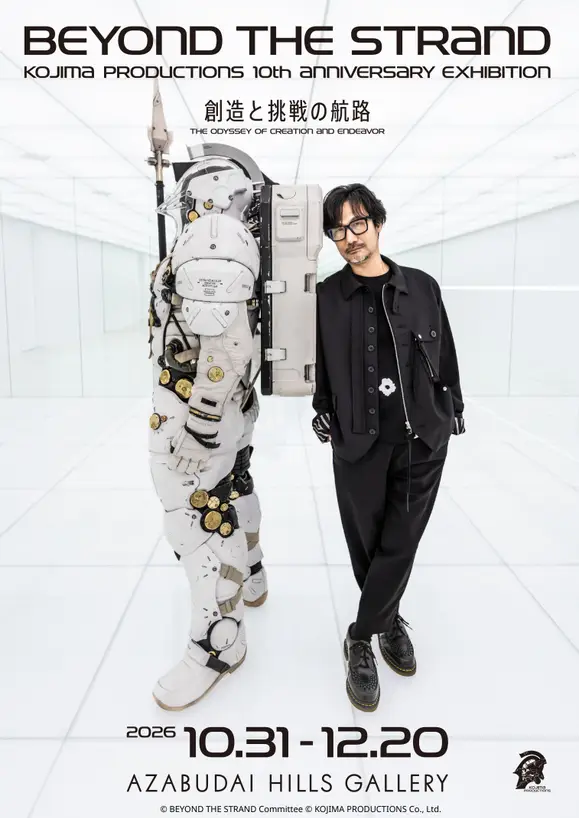
【Tokyo】Kojima Productions 10th Anniversary Exhibition Beyond the Strand: The Odyssey of Creation and Endeavor (Azabudai Hills Gallery)
This exhibition marks the 10th anniversary of Kojima Productions, the creative studio that game creator Hideo Kojima founded in December 2015 under the banner "From Sapiens to Ludens." It traces a decade of creation and challenge through production materials shown for the first time, immersive displays that recreate the worlds of the studio's works, and video installations.
Venue: Azabudai Hills Gallery
Dates: October 31 – December 20
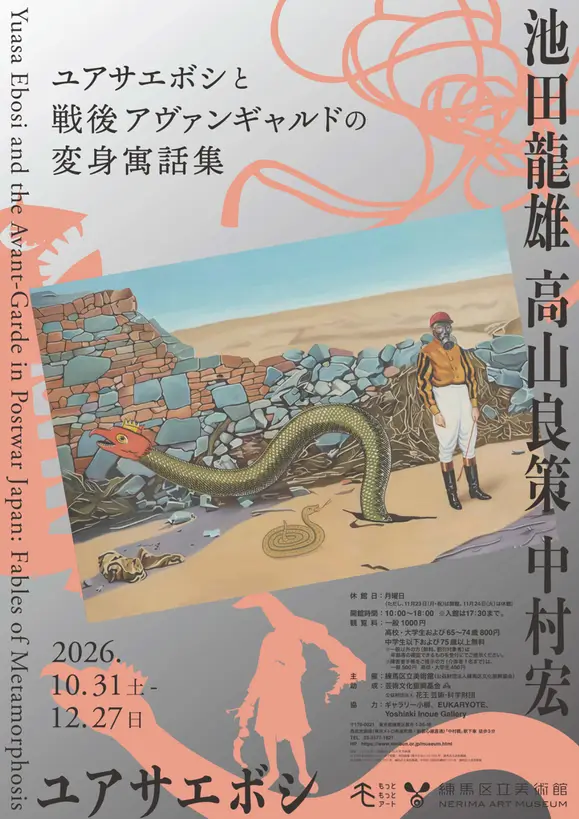
【Tokyo】Yuasa Ebosi and the Avant-Garde in Postwar Japan: Fables of Metamorphosis (Nerima Art Museum)
Built around the keyword "metamorphosis," this exhibition brings together contemporary artist Ebosi Yuasa and artists who pursued avant-garde art in postwar Japan, including Tatsuo Ikeda, Ryosaku Takayama, and Hiroshi Nakamura. Yuasa composes his paintings from images of the past, such as old magazines and newspapers, and in doing so transforms into "Ebosi Yuasa, a fictional third-rate painter born in the Taisho era," which is why he calls himself a member of the "mimicry school." Here he presents new works and reveals a new story behind them.
Venue: Nerima Art Museum
Dates: October 31 – December 27
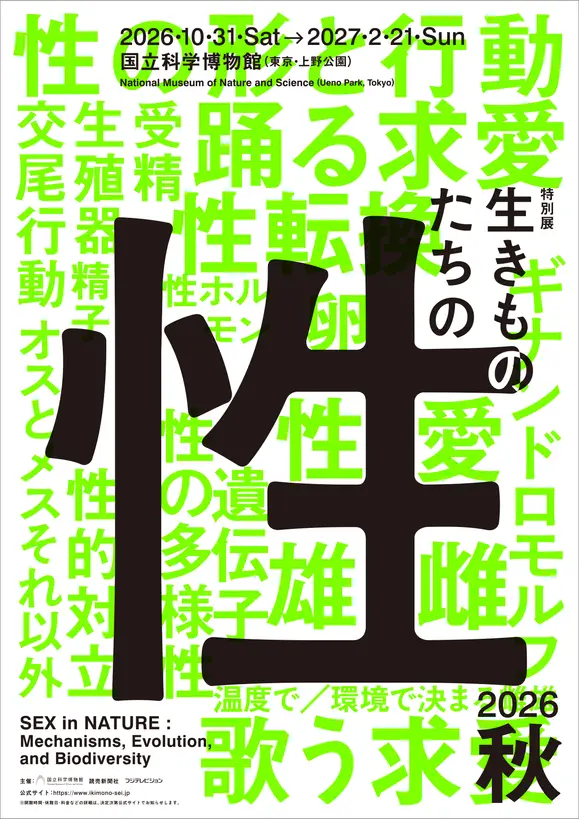
【Tokyo】Sex in Nature: Mechanisms, Evolution and Biodiversity (National Museum of Nature and Science)
The first special exhibition at the National Museum of Nature and Science to take biological sex as its theme, this show looks at the many forms sex takes among living things and how it works. Sex is found not only in humans but across the living world, yet its forms, mechanisms, and behaviors are astonishingly varied and differ greatly from one organism to another. The exhibition unpacks this diversity scientifically, from angles such as morphology, behavior, sex determination, and parental care.
Venue: National Museum of Nature and Science
Dates: October 31 – February 21, 2027
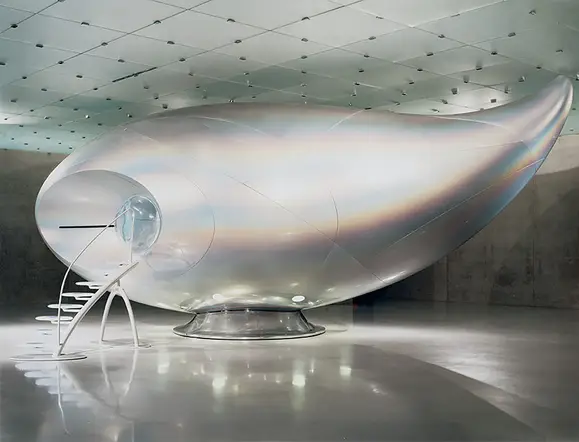
【Tokyo】Mariko Mori: All That Shines (Mori Art Museum)
Mariko Mori has drawn international attention since the 1990s. Her early works saw her perform posthuman and cyborg-like identities, and her interests have since expanded to futuristic worldviews, Japanese anime culture, nature worship, Buddhism, and ancient cultures such as the Jomon and the Celtic. Through Mori's singular practice, this exhibition brings into focus questions of humanity, spirituality, and ecology.
Venue: Mori Art Museum
Dates: October 31 – March 28, 2027
◎Japan
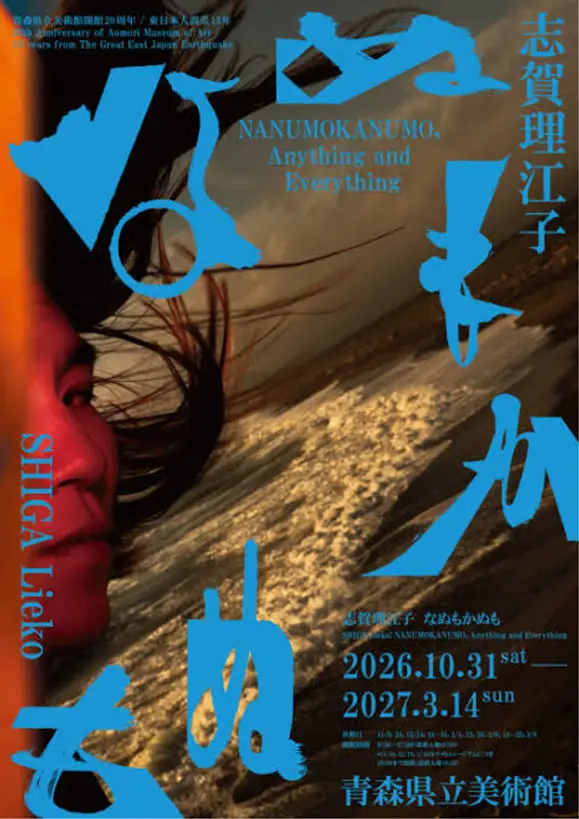
【Aomori】Shiga Lieko: Nanumokanumo, Anyting and Everything (Aomori Museum of Art)
This is a solo exhibition by Miyagi-based artist Shiga Lieko, known for theatrical photographs and video works marked by light and color rooted in bodily sensation. The title, nanumokanumo, is a dialect expression from the Sanriku coast whose meaning shifts with the speaker and the setting: "I give up!", "a sigh from the bottom of the deep sea," "anything and everything." The exhibition presents photographs, videos, texts, and installations, old and new, born of her deep insight into the history and landscapes of Tohoku, which she has traced firsthand since before the 2011 disaster.
Venue: Aomori Museum of Art
Dates: October 31 – March 14, 2027
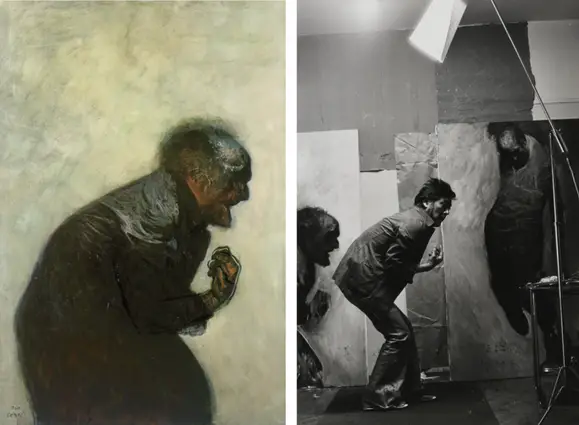
【Ibaraki】Full story "Rey Camoy" (Kasama Nichido Museum of Art)
Known as "the painter of self-portraits," Rey Camoy made works onto which he projected himself. While they express his inner life and speak directly to viewers' emotions, there was also a Rey Camoy the man whom the paintings do not show. Through rare portraits that capture him unguarded, most of them never shown publicly before, this exhibition unpacks who he was.
Venue: Kasama Nichido Museum of Art
Dates: October 3 – December 20
【Chiba】Tatsuo Kawaguchi Relation-Unrelation by the Lake (Ichihara Lakeside Museum)
Tatsuo Kawaguchi is one of Japan's leading contemporary artists, who has thought and worked at the forefront of the field for more than half a century around the concept of "relation." This exhibition centers on new works inspired by the museum's architecture and its lakeside surroundings, along with previously unshown works made in his studio in Boso. From insects to the cosmos, from the Jurassic to the present, his work engages with every kind of existence and time, driven by a creative appetite and fresh curiosity that have not let up since the 1960s.
Venue: Ichihara Lakeside Museum
Dates: October 17 – December 20

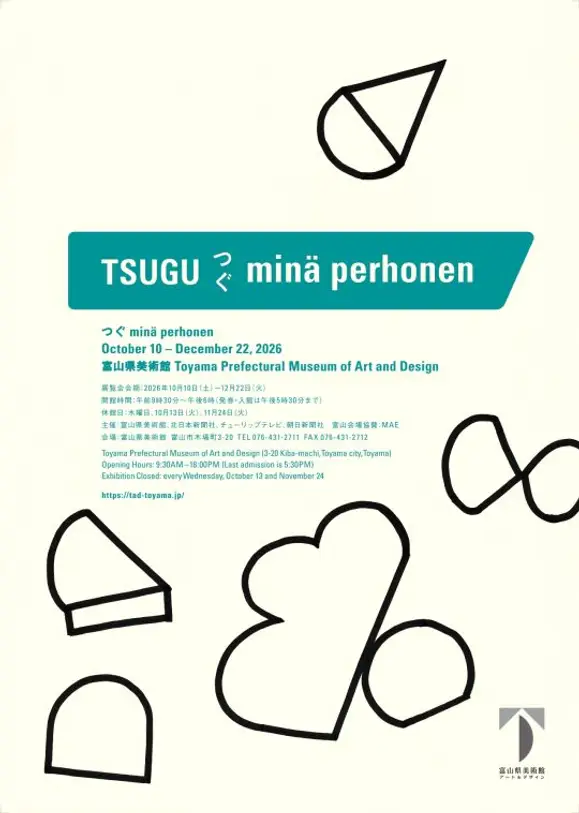
【Toyama】Tsugu minä perhonen (Toyama Prefectural Museum of Art and Design)
The fashion and textile brand minä perhonen marked its 30th anniversary in 2025. This exhibition presents its practice of creating distinctive products while exploring how to remain a brand that endures 100 years from now, through original drawings and textiles as well as views of its embroidery, weaving, and printing factories. It unpacks an approach to making that pursues lasting value, unswayed by trends.
Venue: Toyama Prefectural Museum of Art and Design
Dates: October 10 – December 22
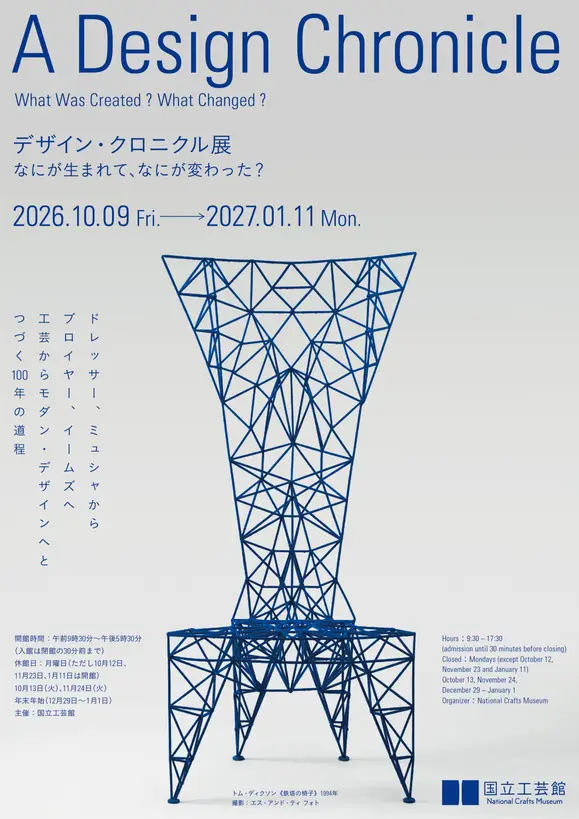
【Ishikawa】A Design Chronicle: What Was Created? What Changed? (National Crafts Museum)
Centered on the National Crafts Museum's design collection, this exhibition follows more than 100 years of design, from the Arts and Crafts movement of the late 19th century through Art Nouveau, Art Deco, and the modernist design epitomized by the Bauhaus, to developments after World War II. Knowing this history broadens the way we see the design around us today and reveals its appeal anew.
Venue: National Crafts Museum
Dates: October 9 – January 11, 2027
【Ishikawa】From Today to Tomorrow On the Stewardship of a Work (21st Century Museum of Contemporary Art, Kanazawa)
Ahead of its long-term closure from 2027, the 21st Century Museum of Contemporary Art, Kanazawa takes stock of where it stands and asks what it means to pass artworks on to the future. "Today" refers to the present and the roughly 20 years since the museum opened; "tomorrow" to the next 20 years and beyond after it reopens. Focusing on collection works that require restoration or a rethinking of how they are handed down, the exhibition lays out concrete issues in preserving mixed-media works, media art, and installations. By showing the works together with the processes of restoring and passing them on, it reconsiders the museum's future role and stance.
Venue: 21st Century Museum of Contemporary Art, Kanazawa
Dates: October 31 – April 18, 2027
【Aichi】Shigeru Hasegawa, paint-Tengu (Toyota Municipal Museum of Art)
This is Hasegawa's first large-scale solo exhibition at a museum. Mixing old and new works from his many years of practice, it reveals both the uncompromising will and the light-footed development behind them. It also looks at the eye of an artist devoted to seeing as many works as possible, from all periods and places, and at the distinctive sensibility he developed in everyday life from childhood, apart from high art. One room brings together works from the museum's collection, Hasegawa's own works, and his eclectic collection of objects.
Venue: Toyota Municipal Museum of Art
Dates: October 24 – January 24, 2027
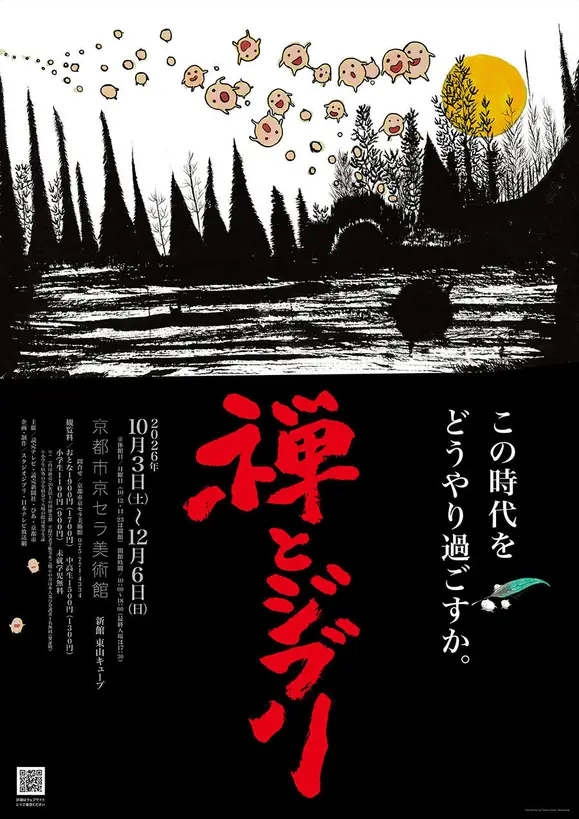
【Kyoto】The Zen and Studio Ghibli Exhibition (Kyoto City KYOCERA Museum of Art)
This exhibition turns to qualities that run through Studio Ghibli's films: an ambiguity that refuses to divide good from evil, and a space that does not rush toward answers. Taking as its starting point the book Zen and Ghibli, a collection of conversations between Toshio Suzuki and Zen monks, it reads Ghibli's works through a Zen lens. It is an immersive exhibition where visitors encounter Zen ideas through the worlds of the films: not dividing, not prejudging, seeing things as they are.
Venue: Kyoto City Kyocera Museum of Art
Dates: October 3 – December 6
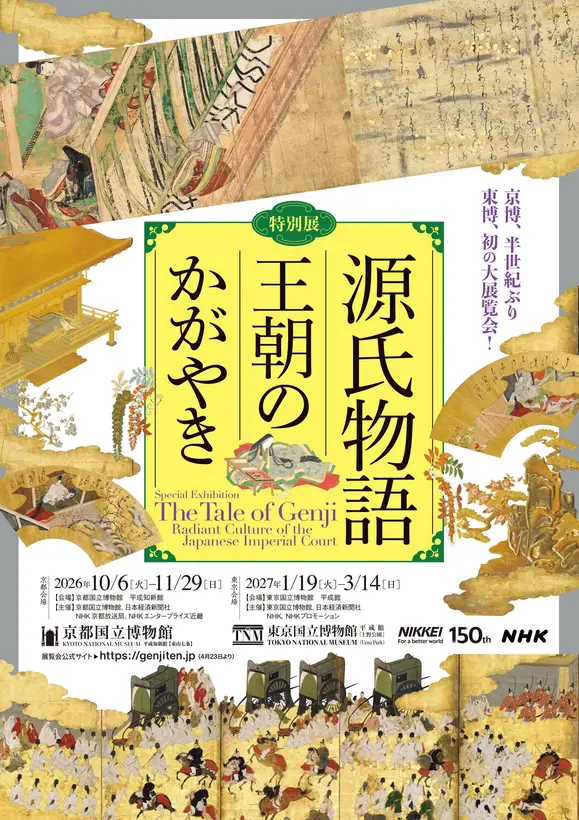
【Kyoto】The Tale of Genji: Radiant Culture of the Japanese Imperial Court (Kyoto National Museum)
This large-scale exhibition presents The Tale of Genji, written by Murasaki Shikibu, through the breadth of art and culture it inspired. As later generations read and reread the loves and lives surrounding Hikaru Genji, the tale gave rise to a rich variety of expression in painting, decorative arts, manuscripts, and the performing arts. About 250 items are on view, including paintings, decorative arts, manuscripts, and commentaries. It is the first Tale of Genji exhibition at the Kyoto National Museum in about 50 years.
Venue: Kyoto National Museum
Dates: October 6 – November 29
【Kyoto】Creating Japanese Jewellery: Personal Expression and Memory (The National Museum of Modern Art, Kyoto)
Tracing the development of contemporary jewelry in postwar Japan, this exhibition reconsiders jewelry as a form of expression to be worn. Centered on the collection of Hiko Mizuno College of Jewelry, it presents about 350 pieces, including works returning to Japan from Germany for the first time in about 50 years and new work by contemporary makers. More than 70 artists from Japan and abroad are featured, among them Yasuki Hiramatsu, Reiko Yamada, Kazuhiro Ito,, Otto Künzli, Warwick Freeman, and Ted Noten.
Venue: The National Museum of Modern Art, Kyoto
Dates: October 24 – January 17, 2027
【Osaka】Andrew Wyeth —Boundaries or Windows (Abeno Harukas Art Museum)
This exhibition is devoted to Andrew Wyeth, a leading figure of 20th-century American figurative painting. Windows, doors, and other motifs that suggest a boundary between inside and outside appear again and again in his work. Focusing on these depictions of boundaries, the exhibition presents Wyeth's world, where private memory, solitude, and his gaze on the landscape intersect.
Venue: Abeno Harukas Art Museum
Dates: October 3 – December 6
【Osaka】NHK Sunday Museum 50th Anniversary Exhibition (Nakanoshima Museum of Art, Osaka)
This exhibition marks 50 years of NHK's art program "Nichiyo Bijutsukan", which first aired in 1976. More than 120 masterpieces that have appeared on the program are presented in five chapters. With carefully chosen words from past guests and high-definition footage, it traces the history of a program that has connected people with art.
Venue: Nakanoshima Museum of Art, Osaka
Dates: October 10 – December 20
【Osaka】Edo in Focus: Japanese Treasures from the British Museum (Nakanoshima Museum of Art, Osaka)
This exhibition draws on the Japanese art collection of the British Museum in London, with a focus on Edo-period painting. Among the largest and finest outside Japan, the collection has been built since the late 19th century by collectors and curators captivated by Japanese culture. On view are works by Maruyama Okyo, Katsushika Hokusai, Utagawa Hiroshige, and others, led by Kitagawa Utamaro's hand-painted Courtesan Reading a Letter, returning to Japan for the first time. Through masterpieces of Japanese art handed down across the sea, the exhibition also sheds light on the history of international cultural exchange.
Venue: Nakanoshima Museum of Art, Osaka
Dates: October 31 – January 31, 2027
【Tottori】Maeta Kanji — Poesy and Realism: In Commemoration of his 130th Birth and the Centennial of the 1930 Society (Tottori Prefectural Museum of Art)
In a life of just 33 years, Maeta Kanji left a major mark on modern Western-style painting in Japan. Seeking to fuse a poetic sensibility with a realism rooted in the Western painting tradition, he brought a varied body of work into bloom. The year 2026 marks 130 years since his birth and 100 years since the founding of the 1930 Association, which he helped establish. To mark the occasion, the exhibition traces his career and also presents works that his fellow members showed with the association, drawing out the significance of his art. It offers a full picture of what the young Western-style painters of modern Japan pursued and sought to build.
Venue: Tottori Prefectural Museum of Art
Dates: October 10 – December 13
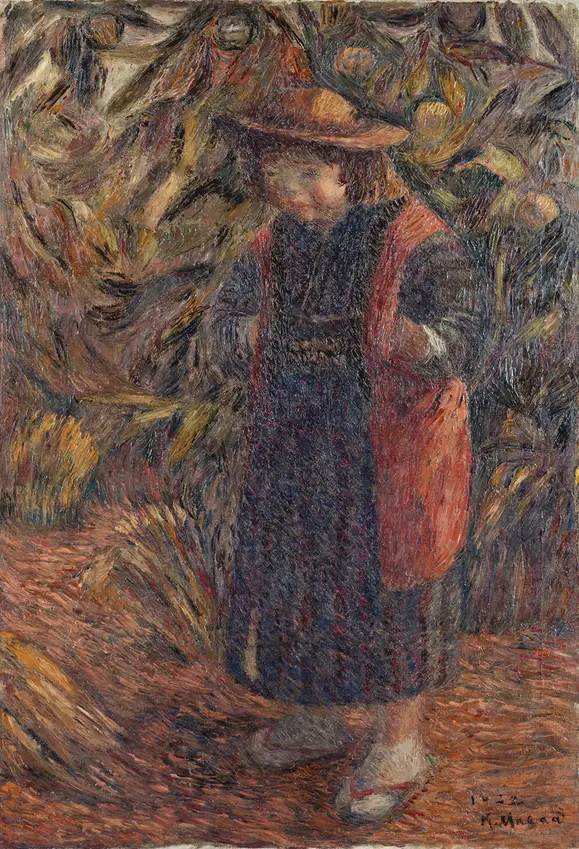
【Hiroshima】Sugai Kumi - 30 Years After His Death (Hiroshima Prefectural Art Museum)
Kumi Sugai was one of the most internationally acclaimed Japanese painters of the 20th century, and this exhibition covers his career from his early years to his last. With the addition of works that had been stored off their stretchers and are being shown in Japan for the first time, it is the first opportunity to follow the full evolution of his work. His beloved car, a 1973 Porsche Carrera RS, is also on display, bringing visitors closer to what he was trying to grasp in his art.
Venue: Hiroshima Prefectural Museum of Art
Dates: October 2 – December 6
【Hiroshima】Artists at the Café: From the Impressionists, Van Gogh and Toulouse-Lautrec to Picasso (Hiroshima Museum of Art)
This is the first special exhibition jointly organized by the Mitsubishi Ichigokan Museum, Tokyo and the Hiroshima Museum of Art. In late 19th-century Paris and Barcelona, cafés were more than places to drink coffee or alcohol: artists, writers, critics, and musicians gathered there to share the spirit of the times and debate new forms of expression. Starting from this café culture, the exhibition traces how modern art was born and spread.
Venue: Hiroshima Museum of Art
Dates: Dates: [Part 1] October 3 – November 15, [Part 2] November 17 – January 11, 2027
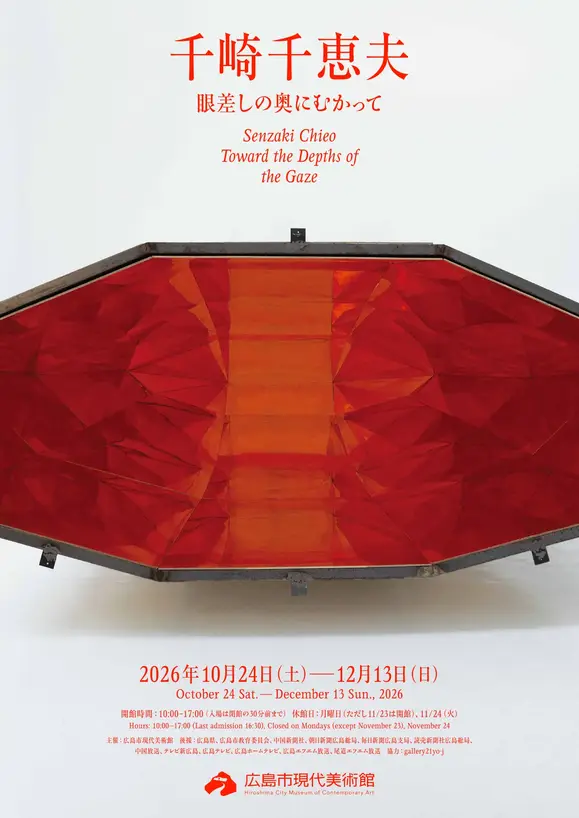
【Hiroshima】Chieo Senzaki Toward the Depths of the Gaze(Hiroshima City Museum of Contemporary Art)
Working across a wide range of media on the theme of "the natural and the artificial," Chieo Senzaki has explored human existence and the nature of the world. He has long reexamined art in relative terms within the broad framework of culture, spanning thought, philosophy, religion, politics, and science. In recent years he has shifted his focus to more fundamental subjects, such as the light and energy contained in nature. Together with new works, this exhibition reflects the world as Senzaki finds it.
Venue: Hiroshima City Museum of Contemporary Art
Dates: October 24 – December 13
【Kagoshima】Saul Leiter: Origins in Color (Kagoshima City Museum of Art)
Based in New York, photographer Saul Leiter captured people living in the city with vivid color and a perspective all his own. At a time when photography as art had long been dominated by black and white, he pursued his own expression in color photography, then regarded as commercial, and came to be called "a pioneer of color photography." Taking Leiter's sense of color as its theme, the exhibition explores the sources of his creativity through photographs from his early to late years, as well as paintings, color slides discovered after his death, and other works.
Venue: Kagoshima City Museum of Art
Dates: October 2 – November 15